The Best Plants to Start With
If you're looking for a simple starting point, consider these:
Lavender
Best for fragrance, flowers, and sunny locations.
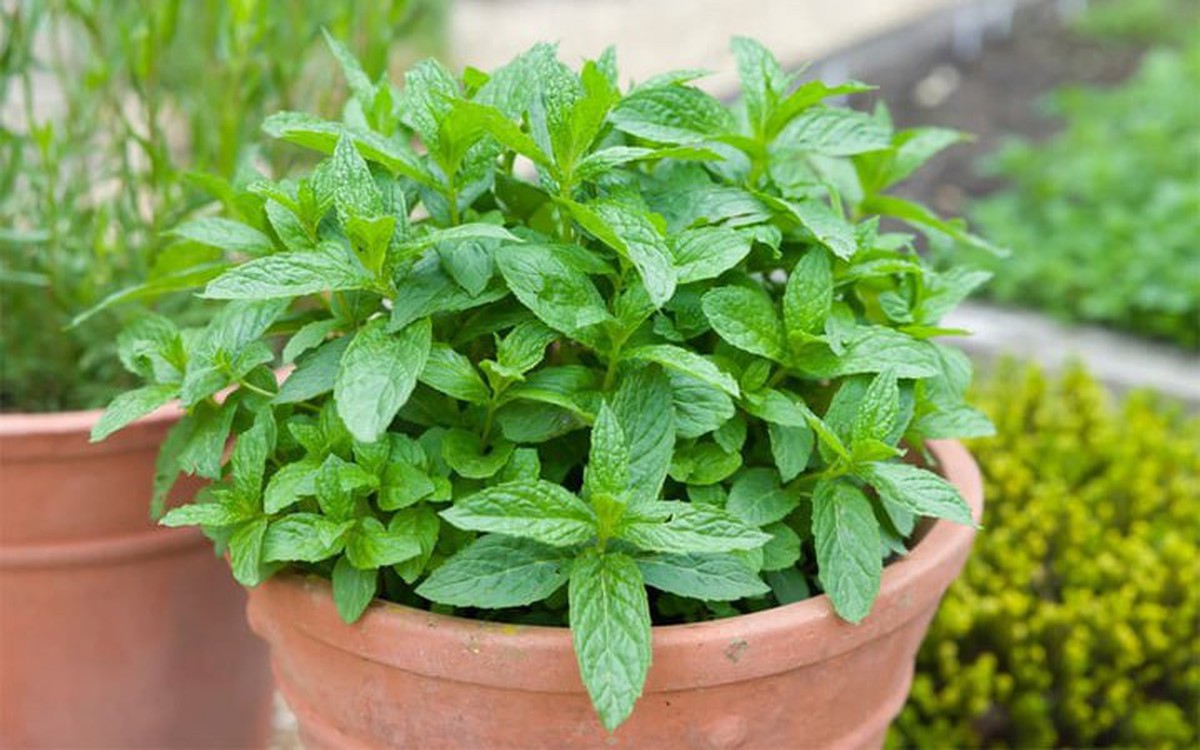
Mint
Easy to grow and strongly aromatic, but best kept in containers.
Rosemary
Useful for cooking and outdoor gardening.
Basil
A practical culinary herb with a distinctive aroma.
Lemongrass
Excellent for warm climates and particularly useful in cooking.
Catnip
Interesting because of the insect-related properties of nepetalactone.
Lemon balm
Easy to grow and strongly scented.
Marigolds
Colorful and useful as part of a diverse garden.
Scented geraniums
Decorative plants with fragrant foliage.
Each has different growing requirements.
You don't need all of them.
Choose the plants that fit your climate, available sunlight, space, and gardening habits.
What If You Still Have Lots of Mosquitoes?
If mosquitoes remain abundant despite your garden efforts, don't assume you need more plants.
Instead, investigate the environment.
Look for hidden water sources.
Check gutters.
Inspect plant saucers.
Look around drains.
Check containers after rain.
Look for damp areas around the property.
Consider whether nearby properties or shared outdoor areas may be contributing to the problem.
If mosquito activity is unusually intense or persistent, professional pest-control or local public-health advice may be appropriate.
Plants alone cannot overcome a major breeding problem.
Final Thoughts
There is something appealing about the idea of using plants to make our homes more comfortable.
Instead of relying entirely on sprays or chemicals, we can fill our balconies, patios, and gardens with herbs and flowers that provide fragrance, beauty, food, and potentially some insect-repelling benefits.
Lavender.
Mint.
Rosemary.
Basil.
Lemongrass.
Catnip.
Lemon balm.
Marigolds.
Scented geraniums.
These plants can all play a role in a thoughtful home garden.
But the most realistic expectation is not a completely mosquito-free home.
Think of them as one layer of protection.
Their aromatic compounds may help discourage certain insects in the immediate area, but their effectiveness varies and is generally not comparable to a tested insect repellent.
If mosquitoes are a serious problem, combine aromatic plants with the strategies that matter most: eliminate standing water, maintain screens, improve outdoor airflow, keep the environment clean, and use proven personal repellents when necessary.
And perhaps that's the best way to think about natural pest control.
You don't need to choose between gardening and effective protection.
You can have both.
Grow the plants because they are beautiful.
Grow them because they smell good.
Grow them because you can cook with them.
And if their natural aromas happen to make your outdoor space a little less inviting to mosquitoes and other pests, that's an added bonus.
A few small pots may not create an invisible force field around your home.
But they can turn an ordinary balcony or patio into something greener, fresher, and more enjoyable—and sometimes, that's a pretty worthwhile place to start.