The response to the collision demonstrated the importance of emergency services in the aftermath of a major road accident.
Firefighters, police officers, ambulance crews, and hospital staff must coordinate their efforts under difficult conditions.
The first responders need to secure the scene, assess the risks, identify the injured, and determine how best to reach passengers trapped inside damaged vehicles.
They may also need to manage traffic, prevent secondary collisions, and ensure that the wreckage does not create additional hazards.
The work can be physically and emotionally demanding.
Rescue workers are often confronted with scenes involving severe injuries and multiple fatalities. They must continue performing their duties while making decisions that may affect the survival of injured passengers.
Hospitals also face significant pressure when several patients arrive at the same time.
Emergency departments must assess injuries, prioritize treatment, and determine whether patients require surgery or transfer to specialized facilities.
In a regional accident, coordination between nearby hospitals can be essential.
The São Paulo collision required a response involving several emergency teams and medical facilities.
The rescue operation continued into the early morning hours, reflecting the difficulty of working through the damaged vehicles and providing assistance to those who survived.
The efforts of emergency personnel cannot undo the tragedy, but they are an essential part of reducing further harm.
How Communities Can Respond After a Fatal Crash
When a major accident occurs, the surrounding community often experiences a collective sense of shock.
People may feel anxious about traveling on the same road. They may worry about relatives who use similar transportation services or wonder whether the same circumstances could affect them.
For students and families who regularly travel between towns, the tragedy may create an especially strong emotional response.
Community support can help people cope with that uncertainty.
Universities, local authorities, health professionals, and community organizations can provide information and assistance to those affected.
Counseling services may help survivors and classmates process grief. Practical support can assist families who need to travel, attend memorials, or manage arrangements following a death.
Public communication also matters.
When official information is incomplete, rumors can spread quickly. People may share inaccurate claims about the cause of the crash, the condition of survivors, or the actions of those involved.
Responsible reporting should distinguish confirmed information from allegations and unanswered questions.
The public deserves to know what happened, but the victims and their families also deserve accuracy and respect.
A tragedy of this scale should not be turned into a spectacle.
It should encourage careful attention to the lives lost, the people injured, and the lessons that may help prevent future collisions.
Remembering the Students Beyond the Headlines
The twelve students who died in the crash were part of a community that expected them to continue growing, learning, and building their futures.
Their names and academic programs reflect the variety of ambitions represented among them.
Some were preparing for careers in healthcare. Others were studying technology, engineering, administration, or the sciences.
They had different interests and different plans, but they shared the experience of traveling to university.
That shared routine became the setting for an unimaginable tragedy.
The loss of twelve students is not only a matter of public safety statistics. It is a reminder that every passenger on a bus represents a life connected to other people.
A seat on a university bus may hold someone who is working toward a first job, supporting their family, hoping to graduate, or preparing to make a difference in their community.
The people who loved them will continue to remember those details.
They will remember their voices, their habits, their humor, and the ordinary moments that made them who they were.
Those memories deserve to remain at the center of the story.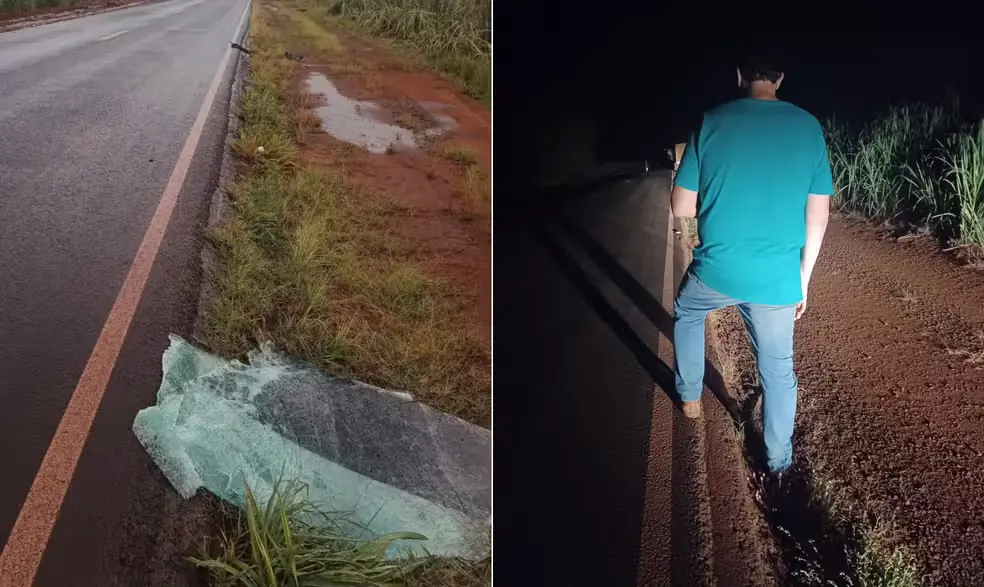
The Questions That Remain Important
The investigation into the collision provided important information about the truck’s movement before impact.
The forensic findings reported in 2025 described the truck leaving the road, encountering a roadside slope, and crossing into the opposing lane before striking the bus.
The reported speed and the physical evidence helped investigators reconstruct the sequence of events.
But the broader questions raised by the tragedy remain important.
How can roads be designed to reduce the consequences of a vehicle leaving the pavement?
What improvements would give drivers more room to recover control?
How can transportation providers ensure that buses and trucks are properly maintained and operated safely?
What support should be available to students who travel long distances to attend university?
These are questions that require cooperation among road authorities, transportation companies, educational institutions, and safety specialists.
The answers may involve infrastructure improvements, better maintenance practices, driver training, enforcement, and more effective emergency planning.
No single measure can eliminate every road accident.
But careful investigation and practical safety improvements can reduce risks and make roads more forgiving when something goes wrong.
A Journey That Must Not Be Forgotten
The collision between the university bus and the truck on the Waldir Canevari highway left twelve students dead and many others injured.
It also left families facing an absence that cannot be measured by numbers.
The bus had been carrying students home after university classes. It was a familiar journey, one that represented education, opportunity, and the everyday responsibilities of young people.
The collision transformed that journey into a tragedy.
The forensic investigation helped explain how the truck crossed into the path of the bus. Emergency workers spent hours assisting the injured, while the university and the wider community mourned the students who did not survive.
The story is also a reminder that road safety depends on more than the actions of individual drivers.
It depends on the condition of vehicles, the design of highways, the quality of transportation services, and the ability of communities to respond when tragedy strikes.
The twelve students should not be remembered only as victims of a fatal crash.
They should be remembered as young people with families, friends, ambitions, and futures that mattered.
Their loss is a painful reminder of how quickly an ordinary journey can change—and why every effort to make roads safer is worth pursuing.