Fluid recommendations vary. Some patients need to limit their fluid intake, while others do not. Do not assume that drinking less water will correct prominent neck veins.
Maintaining regular physical activity is generally beneficial for cardiovascular health, but people with diagnosed heart or lung disease should ask their clinician which activities are safe for them.
Avoid smoking, and discuss alcohol consumption with a healthcare professional if you have a heart condition or take medication that may interact with alcohol.
It is also important to manage conditions such as high blood pressure, diabetes, and high cholesterol, because these can increase the risk of cardiovascular disease over time.
Take prescribed medication exactly as directed. Do not start diuretics, stop heart medication, or change your dosage because your neck veins look different.
Most importantly, seek evaluation when the change is new or persistent. Lifestyle adjustments are most useful when they are matched to a clear understanding of the underlying cause.
13. Common Mistakes to Avoid When Checking Your Neck Veins
It is natural to become concerned when you notice an unexpected physical change. However, repeatedly checking your neck in the mirror can lead to confusion, especially because veins naturally change in appearance throughout the day.
One common mistake is assuming that every visible vein is abnormal. Superficial veins and jugular venous distension are not the same thing, and identifying the latter requires clinical assessment.
Another mistake is trying to diagnose heart failure based on a photograph or online symptom list. Neck anatomy varies widely, and lighting, head position, and body posture can make veins appear more or less prominent.
You should also avoid pressing firmly on the veins in an attempt to test them. The appearance of the jugular veins is best assessed by a trained clinician using an appropriate technique.
Do not rely on home remedies, supplements, or massage to treat unexplained swelling. These approaches cannot correct an underlying heart problem or remove a major venous obstruction.
Finally, do not dismiss symptoms simply because you feel relatively well. Some cardiovascular conditions develop gradually, and early signs may be subtle.
At the same time, do not assume that a visible vein means you have a serious disease. The appropriate response is a calm assessment of the change, attention to associated symptoms, and medical advice when needed.
14. Who May Need to Be Especially Careful?
Certain people may have a greater reason to seek prompt medical evaluation when new neck vein distension appears.
This includes individuals with a history of heart failure, heart valve disease, pulmonary hypertension, previous heart attacks, or significant kidney disease.
People who have previously experienced blood clots or who have recently undergone certain medical procedures may also need careful assessment if new swelling or changes in their veins develop.
However, age alone does not determine whether a prominent neck vein is dangerous. Younger adults can develop serious cardiovascular or vascular conditions, while older adults may have visible veins without any underlying illness.
The speed of onset matters as well. A sudden change accompanied by breathlessness or chest discomfort is more concerning than a longstanding appearance that has remained stable.
If you have a chronic medical condition, ask your healthcare professional what changes you should monitor and when you should seek care. Individualized guidance is more useful than trying to interpret every visible vein as a warning sign.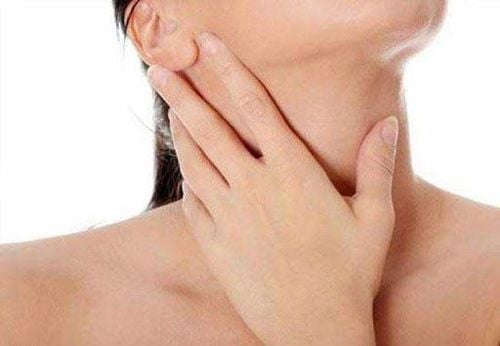
15. The Bottom Line: Pay Attention to Changes, Not Appearance Alone
Prominent neck veins can be harmless, but persistent jugular venous distension may sometimes signal elevated pressure in the circulatory system.
Potential causes include heart failure, fluid overload, pulmonary hypertension, heart valve disorders, cardiac tamponade, and obstruction of major veins. These conditions differ greatly in severity, and the appearance of the neck veins alone cannot determine which, if any, is present.
The most useful clues are whether the change is new, whether the veins remain distended at rest, and whether other symptoms occur at the same time.
If you notice persistent enlargement alongside leg swelling, unexplained weight gain, or increasing breathlessness, arrange a medical assessment. If you experience severe shortness of breath, chest pain, fainting, confusion, or rapidly worsening neck swelling, seek emergency care.
Do not panic over veins that have always been visible. Normal anatomy, body composition, exercise, and posture can all influence their appearance.
Instead, pay attention to changes in your body and respond appropriately. A simple observation may sometimes provide an important clue, but only a proper medical evaluation can establish what it means.
Your health is best protected by recognizing warning signs without jumping to conclusions. When a change is persistent, unexplained, or accompanied by other symptoms, getting it checked is the safest next step.