Calcium is one of the most important minerals in the human body. While it is best known for building and maintaining strong bones and teeth, calcium also plays essential roles in muscle contraction, nerve signaling, blood clotting, and heart function.
Getting enough calcium is important, but that's only part of the equation. Your body must also be able to absorb and use calcium effectively. Certain foods and dietary habits may reduce calcium absorption or increase calcium loss when consumed in large amounts. However, this does not mean these foods are "bad" or should be eliminated. Many of them offer important health benefits and can still be part of a balanced diet.
Understanding how different foods interact with calcium can help you make informed choices to support lifelong bone health.
Here are several foods and eating habits that may influence calcium absorption—and practical tips for maintaining strong bones.
1. Foods High in Oxalates
Oxalates are naturally occurring compounds found in many plant foods.
When calcium and oxalates are eaten together, they can bind in the digestive tract, reducing the amount of calcium absorbed from that particular meal.
Foods naturally high in oxalates include:
-
Spinach
-
Beet greens
-
Swiss chard
-
Rhubarb
It's important to remember that these vegetables are still highly nutritious. They provide vitamins, minerals, fiber, and antioxidants that support overall health.
Rather than avoiding them, simply include a variety of calcium-rich foods throughout the day.
2. Foods High in Phytates
Phytates are found primarily in:
-
Whole grains
-
Beans
-
Lentils
-
Nuts
-
Seeds
Like oxalates, phytates may reduce the absorption of some minerals, including calcium, when consumed in the same meal.
Fortunately, traditional preparation methods such as:
-
Soaking
-
Sprouting
-
Fermenting
-
Cooking
can reduce phytate levels and improve mineral availability.
Whole grains and legumes remain valuable parts of a healthy diet because they provide fiber, plant protein, and many essential nutrients.
3. Excess Sodium
One of the most significant dietary factors affecting calcium balance is excessive sodium intake.
High sodium consumption may increase the amount of calcium lost in urine.
Common high-sodium foods include:
-
Processed meats
-
Canned soups
-
Instant noodles
-
Salty snacks
-
Fast food
-
Frozen convenience meals
Reducing sodium intake benefits not only bone health but also blood pressure and heart health.
Choose fresh foods whenever possible and flavor meals with herbs and spices instead of excessive salt.
4. Excessive Caffeine
Moderate coffee consumption is generally considered safe for most healthy adults.
However, consuming very large amounts of caffeine may slightly increase calcium loss through urine.
Sources of caffeine include:
-
Coffee
-
Energy drinks
-
Black tea
-
Some soft drinks
For most people who consume enough calcium, moderate caffeine intake is unlikely to have a major impact on bone health.
If you drink several cups of coffee daily, make sure your overall calcium intake is adequate.
5. Sugary Soft Drinks
Soft drinks themselves do not directly "remove" calcium from bones.
However, people who frequently drink sugary sodas may consume fewer calcium-rich beverages such as milk or fortified plant-based drinks.
Some soft drinks also contain phosphoric acid, although current evidence suggests that poor overall dietary patterns—not phosphoric acid alone—are more likely responsible for reduced bone health in heavy soda drinkers.
Replacing sugary beverages with:
-
Water
-
Milk
-
Fortified soy milk
-
Unsweetened beverages
can support healthier nutrition overall.
6. Excessive Alcohol
Heavy alcohol consumption has been associated with poorer bone health.
Alcohol may affect:
-
Calcium balance
-
Vitamin D metabolism
-
Bone formation
-
Hormonal regulation
Moderation is key.
If you choose to drink alcohol, following recommended guidelines can help reduce health risks.
Why Vitamin D Matters
Even if you consume plenty of calcium, your body needs vitamin D to absorb it efficiently.
Good sources of vitamin D include:
-
Fatty fish
-
Egg yolks
-
Fortified dairy products
-
Fortified plant-based milk
-
Safe sun exposure
Some people may require vitamin D supplements based on their healthcare provider's recommendations.
Other Nutrients That Support Bone Health
Healthy bones depend on much more than calcium alone.
Important nutrients include:
Protein
Supports the structure of bones and muscles.
Sources:
-
Fish
-
Poultry
-
Eggs
-
Dairy
-
Beans
-
Tofu
Magnesium
Helps regulate bone formation.
Found in:
-
Nuts
-
Seeds
-
Whole grains
-
Leafy greens
Vitamin K
Supports normal bone metabolism.
Sources:
-
Kale
-
Broccoli
-
Brussels sprouts
-
Spinach
Phosphorus
Works together with calcium to build strong bones.
Found in:
-
Dairy products
-
Fish
-
Meat
-
Beans
-
Nuts
Tips to Improve Calcium Absorption
Small daily habits can make a meaningful difference.
Spread calcium intake throughout the day
The body generally absorbs moderate amounts of calcium more efficiently than very large amounts consumed all at once.
Pair calcium with vitamin D
These nutrients work together to support healthy bones.
Stay physically active
Weight-bearing exercises help stimulate bone strength.
Examples include:
-
Walking
-
Dancing
-
Hiking
-
Tennis
-
Strength training
Avoid smoking
Smoking has been linked to reduced bone density and a higher risk of fractures.
How Much Calcium Do Adults Need?
Daily calcium needs vary by age and sex.
General recommendations for most adults are approximately:
-
1,000 mg per day for many adults aged 19–50.
-
1,200 mg per day for many women over 50 and men over 70.
Individual needs may vary depending on health conditions and your healthcare provider's advice.

Calcium-Rich Foods to Include
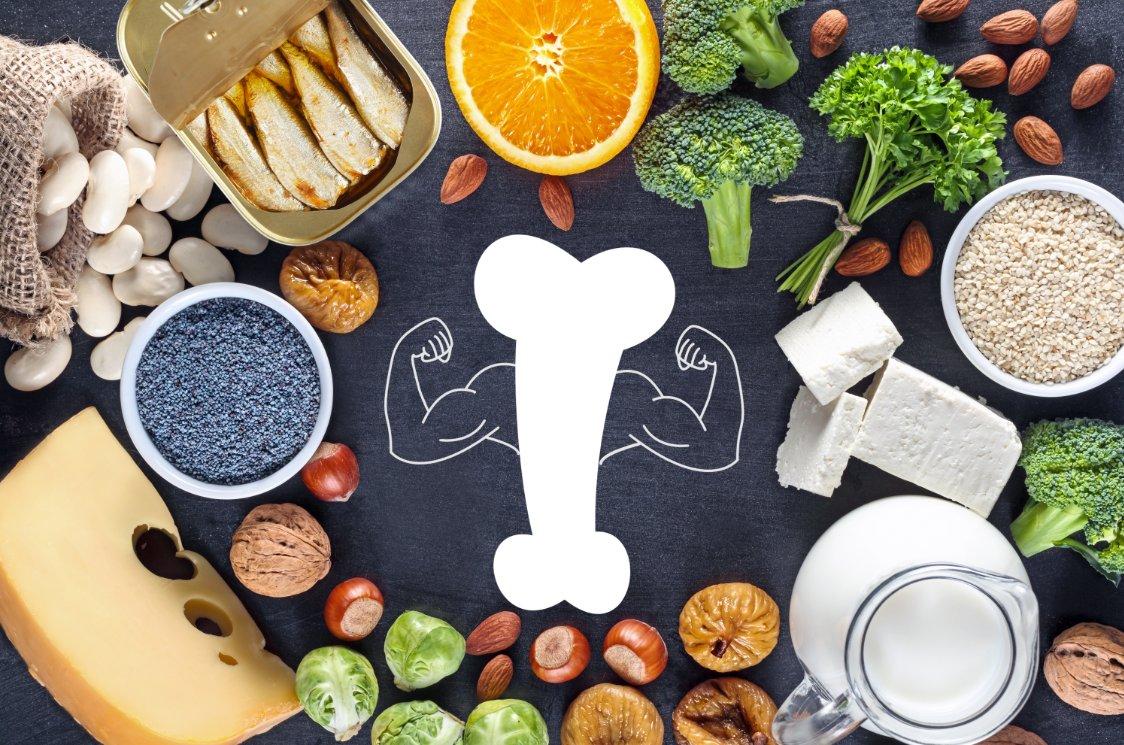
To support strong bones, regularly enjoy foods such as:
-
Milk
-
Yogurt
-
Cheese
-
Fortified plant-based beverages
-
Tofu made with calcium sulfate
-
Sardines with bones
-
Canned salmon with bones
-
Bok choy
-
Kale
-
Broccoli
-
Almonds
Eating a variety of calcium-containing foods is usually more beneficial than relying on a single source.
The Bottom Line
Strong bones depend on more than simply eating calcium-rich foods. Certain dietary factors—including foods high in oxalates or phytates, excess sodium, excessive caffeine, sugary soft drinks, and heavy alcohol consumption—may influence calcium absorption or calcium balance, especially when consumed in large amounts.
Fortunately, these foods do not need to be eliminated from your diet. Instead, focus on moderation, eat a wide variety of nutrient-rich foods, ensure adequate vitamin D intake, stay physically active, and consume enough calcium throughout the day.
Protecting your bones is a lifelong investment. Small, consistent choices made every day can help maintain bone strength, reduce the risk of osteoporosis, and support healthy movement and independence for years to come.