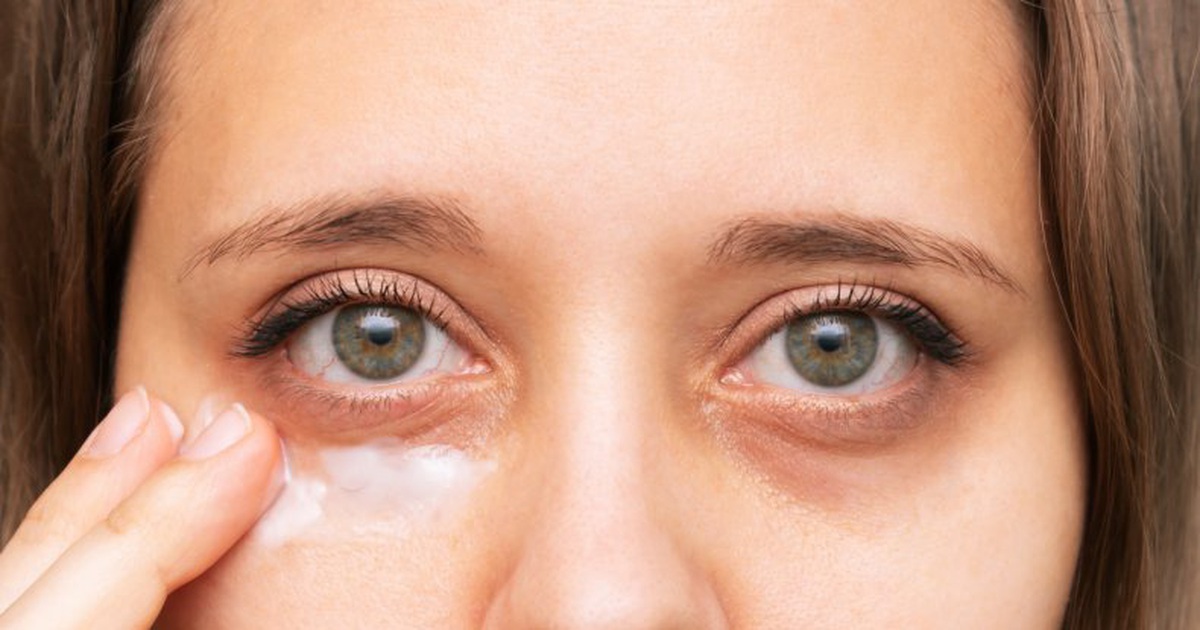
You wake up after what seemed like a decent night's sleep, look in the mirror, and immediately notice them: puffy eyelids, tired-looking eyes, and dark circles that make you look more exhausted than you actually feel.
For many people, this is a familiar morning problem.
The good news is that morning puffiness is often temporary. Fluid can accumulate around the eyes while you sleep, especially if you've had a salty meal, cried, slept poorly, experienced seasonal allergies, or simply have a tendency toward under-eye swelling.
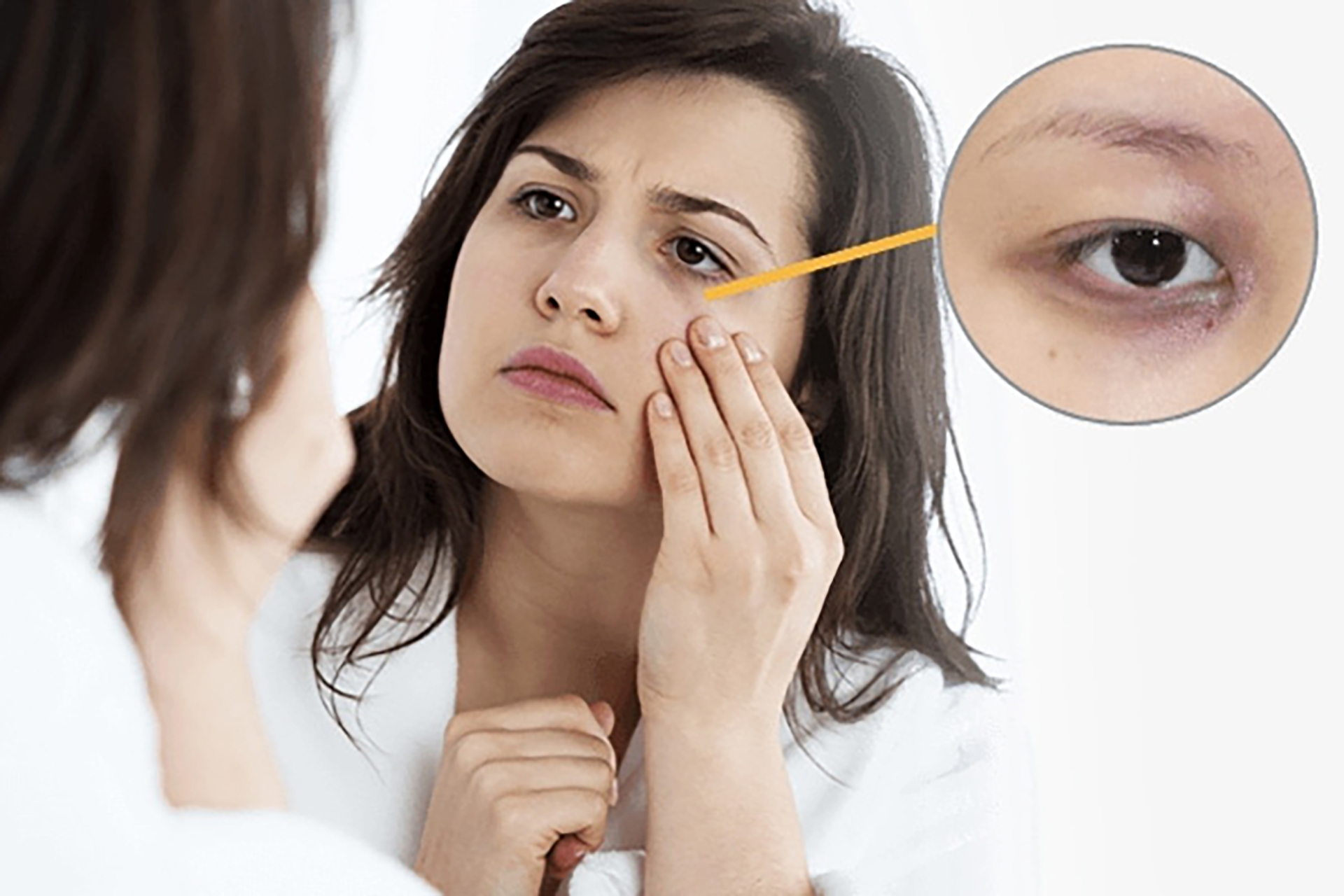
Dark circles are more complicated. They can be caused by genetics, pigmentation, visible blood vessels, shadows from the shape of the eye socket, thinning skin, lack of sleep, allergies, or a combination of several factors.
That means there isn't one magical treatment that permanently removes them.
However, a simple 10-minute morning routine can sometimes make the eye area look less swollen and more refreshed.
Here's how to approach it.
Why Do Your Eyes Look Puffy When You Wake Up?
Morning puffiness is often related to fluid retention.
When you're lying down for several hours, fluid distribution throughout the body changes. The skin around the eyes is particularly thin and delicate, making even a small amount of swelling noticeable.
Several factors can make it more obvious.
A salty meal
Eating a meal high in sodium can temporarily increase fluid retention in some people.
If you notice especially puffy eyes after eating salty foods the night before, sodium may be one contributing factor.
Poor sleep
Lack of sleep doesn't necessarily cause permanent dark circles, but it can make the area around your eyes appear darker, paler, or more swollen.
Crying
Tears can contribute to temporary swelling around the eyes.
Allergies
Seasonal allergies and other allergic reactions can cause congestion, itching, rubbing, and swelling around the eyes.
Sleeping position
Some people notice more morning puffiness when they sleep completely flat.
Genetics
Some people simply have naturally prominent under-eye bags or puffiness because of their facial structure and inherited traits.
What Causes Dark Circles?
Dark circles are not always caused by tiredness.
This is an important distinction.
Under-eye darkness can come from several mechanisms.
Increased pigmentation
Some people naturally have more pigmentation around the eyes.
Sun exposure can also contribute to pigmentation.
Visible blood vessels
Because the skin under the eyes is thin, blood vessels can become more visible and create a bluish or purplish appearance.
Shadows
The shape of the eye socket, tear troughs, and under-eye hollows can create shadows that look like dark circles even when the skin itself isn't significantly darker.
Thin skin
As we age, collagen and skin thickness can decrease, making underlying structures more visible.
Allergies and rubbing
Repeatedly rubbing itchy eyes can irritate the skin and potentially make the area look darker over time.
This is why simply getting more sleep doesn't always eliminate dark circles.
The 10-Minute Morning Routine
The goal isn't to completely transform your face in 10 minutes.
Instead, you're trying to reduce temporary swelling, calm the skin, and improve the appearance of the eye area.
Minute 0–2: Drink Some Water
Start your morning with a glass of water.
This isn't a miracle cure for dark circles, and drinking extra water won't instantly eliminate under-eye bags.
But maintaining adequate hydration supports normal body function, and dehydration can sometimes make you feel and look more tired.
You don't need to force yourself to drink huge amounts.
Simply start the day normally hydrated and continue drinking according to your thirst and individual needs.
Minute 2–5: Use a Cool Compress
This is one of the simplest steps.
Take a clean, soft washcloth, dampen it with cool water, and gently place it over your closed eyes for several minutes.
You can also use a purpose-made cooling eye mask.
Why might this help?
Cold temporarily causes blood vessels near the skin surface to constrict and can reduce the appearance of mild swelling.
It may also feel soothing if your eyes are tired.
But don't put ice directly against your skin.
Extremely cold temperatures can irritate or injure delicate skin.
A cool, comfortable compress is enough.
Minute 5–7: Gently Massage Around the Eye Area
If your skin tolerates it, you can use very gentle movements around the orbital bone.
The key word is gentle.
The skin around your eyes is delicate.
You shouldn't press hard, pull the skin, or rub the eyeball itself.
Using your ring finger, lightly tap or glide along the bony area beneath the eye, moving outward.
Some people also use a clean facial roller or cooling tool.
These tools aren't necessary, however.
A clean fingertip can work just as well for a simple morning routine.
Can massage remove dark circles?
Not permanently.
Gentle massage may temporarily reduce the appearance of puffiness in some people by helping move superficial fluid, but it cannot change genetic pigmentation, facial anatomy, or age-related volume loss.
Think of it as a temporary cosmetic measure, not a treatment for the underlying cause.
Minute 7–9: Apply a Simple Eye-Area Moisturizer
The skin around the eyes can become dry, especially in cold or low-humidity environments.
A gentle moisturizer can temporarily improve the appearance of dry, fine-textured skin.
If you're using a dedicated eye cream, look for products formulated for the delicate eye area.
Some products contain ingredients such as:
-
Caffeine
-
Niacinamide
-
Hyaluronic acid
-
Peptides
-
Vitamin C derivatives
Evidence varies considerably by ingredient and product.
For example, caffeine may temporarily reduce the appearance of puffiness for some people because of its effects on blood vessels, while moisturizing ingredients can improve the appearance of dryness.
You don't necessarily need an expensive eye cream.
A gentle moisturizer that you already tolerate well may be enough.
Minute 9–10: Protect the Area From the Sun
This final step is especially important if pigmentation is part of your dark circles.
Apply a broad-spectrum sunscreen to exposed facial skin, being careful around the eyes.
Sun exposure can contribute to premature skin aging and increased pigmentation.
If sunscreen irritates your eyes, consider:
-
A product designed for the eye area
-
Mineral sunscreen if better tolerated
-
Sunglasses
-
A hat
Sun protection won't erase existing dark circles overnight.
But consistent protection can help prevent pigmentation and photoaging from becoming worse.
What If Your Eyes Are Puffy Because of Allergies?
If you wake up with:
-
Itchy eyes
-
Watery eyes
-
Sneezing
-
Nasal congestion
-
Redness
allergies may be contributing to the problem.
In that situation, repeatedly rubbing your eyes can make things worse.
A cool compress may provide temporary relief.
You may also benefit from appropriate allergy management, depending on the cause.
If allergy symptoms are frequent or severe, talk with a healthcare professional about treatment options.
The Night Before Can Make a Difference
Your morning routine is only part of the equation.
What you do the evening before can influence how your eyes look when you wake up.
Watch your sodium intake
You don't have to eliminate salt completely.
But if you notice pronounced swelling after particularly salty meals, reducing excessive sodium may help.
Limit excessive alcohol
Alcohol can affect hydration and sleep quality and may make some people look more tired or puffy the next morning.
Get adequate sleep
Adults generally need around 7–9 hours of sleep, although individual needs vary.
Quality matters too.
If you regularly sleep enough but still feel exhausted, consider discussing your sleep quality with a healthcare professional.
Remove eye makeup
Sleeping in makeup can irritate the eye area and potentially contribute to clogged pores or irritation.
Gently remove makeup before bed.
Don't rub your eyes
If your eyes itch, identify the cause rather than repeatedly rubbing them.
What About Tea Bags on Your Eyes?
This is a popular beauty hack.
Some people place cooled tea bags over their eyes because tea contains compounds such as caffeine and polyphenols.
A cool compress itself may be responsible for much of the temporary soothing effect.
If you choose to try this, use clean, cooled tea bags and avoid getting tea in your eyes.
However, there is no need to rely on tea bags when a clean cool washcloth provides a simpler option.
What About Cucumbers?
Cucumber slices have become almost synonymous with spa treatments.
They are cool, soothing, and contain a high amount of water.
But their biggest short-term benefit for puffiness is likely related to cooling and hydration of the skin's surface, rather than some special ability to remove dark circles.
If you enjoy using chilled cucumber slices, there's little reason not to—as long as they're clean and don't irritate your skin.
Just don't expect them to permanently change genetic dark circles.
Don't Put Harsh Ingredients Around Your Eyes
This is particularly important.
The internet is full of homemade recipes involving:
-
Lemon juice
-
Baking soda
-
Undiluted essential oils
-
Apple cider vinegar
-
Toothpaste
-
Strong acids
These products can irritate the delicate skin around your eyes.
The skin in this area is particularly sensitive, and accidental contact with the eye itself can be painful or potentially harmful.
Natural doesn't automatically mean safe.
Stick to products formulated for facial or eye-area use.
When Dark Circles Aren't Just a Cosmetic Issue
Most dark circles are harmless.
But persistent changes around the eyes can sometimes be associated with allergies, dermatitis, chronic rubbing, or other conditions.
If swelling is severe, persistent, painful, or accompanied by other symptoms, don't assume it's simply a cosmetic problem.
Seek medical advice if you develop:
-
Significant pain
-
Severe redness
-
Vision changes
-
One-sided swelling that persists
-
A sudden major change
-
Discharge from the eye
-
Fever
-
Significant facial swelling
Sudden swelling accompanied by difficulty breathing or signs of a severe allergic reaction requires urgent medical attention.
When Should You See a Dermatologist?
If you've tried sensible skincare and your dark circles remain prominent, a dermatologist can help determine what type of dark circle you actually have.
This matters because treatments differ.
For pigmentation, dermatologists may consider certain topical treatments or procedures.
For visible blood vessels or vascular discoloration, other approaches may be considered.
For structural hollows or significant volume loss, cosmetic procedures may sometimes be options.
The right treatment depends on the cause.
There is no single eye cream that works equally well for pigmentation, vascular darkness, puffiness, and facial hollows.
A Simple Morning Checklist
If you don't want to remember an entire routine, keep it simple.
1. Hydrate normally
Start your day with water.
2. Cool the area
Use a clean, cool compress for a few minutes.
3. Be gentle
Lightly massage around the orbital bone if comfortable.
4. Moisturize
Use a gentle product suitable for the eye area.
5. Protect
Apply sunscreen and consider sunglasses outdoors.
The entire process can fit comfortably into about 10 minutes.
The Bigger Picture
It's tempting to search for a quick fix when you wake up with dark circles.
But the appearance of your under-eye area is influenced by many things that a 10-minute routine cannot completely change.
Your genetics matter.
Your facial structure matters.
Your skin tone matters.
Your age matters.
Your sleep matters.
Allergies, dehydration, sun exposure, and lifestyle habits can matter too.
That's why two people who sleep for exactly eight hours can wake up looking completely different.
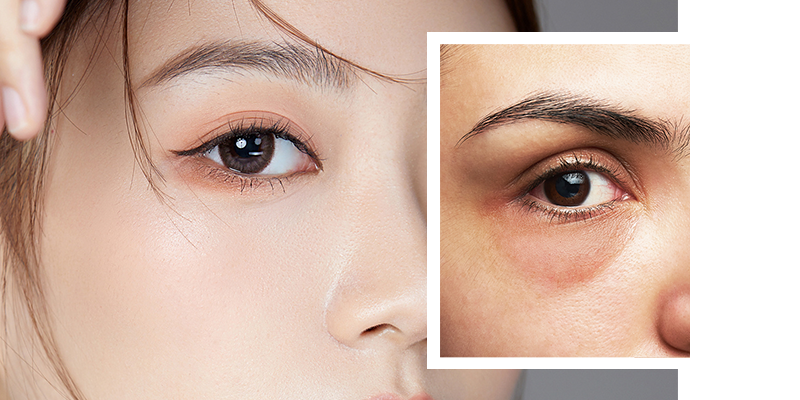
One may have naturally smooth, bright under-eye skin.
Another may have pronounced tear troughs or hereditary pigmentation.
Neither necessarily has a health problem.
Final Thoughts
Waking up with puffy eyes or dark circles can make you look more tired than you actually feel.
Fortunately, temporary morning puffiness often responds to simple measures.
A glass of water, a cool compress, gentle massage, appropriate moisturizer, and daily sun protection can form an easy 10-minute routine.
But don't expect a miracle.
A morning routine may temporarily reduce swelling and improve the appearance of the skin, but it cannot permanently eliminate dark circles caused by genetics, pigmentation, facial structure, or natural aging.
The most important thing is to understand why your eyes look the way they do.
If the change is sudden, severe, one-sided, painful, or associated with vision problems or other concerning symptoms, seek medical advice.
Otherwise, keep your routine gentle and consistent.
Sometimes, you don't need an expensive product or complicated beauty ritual. A few minutes of cooling, hydration, gentle care, and sun protection may be all you need to help your eyes look a little more refreshed when you start the day.