Pumpkin seeds may be small, but they contain an impressive combination of protein, healthy fats, fiber, vitamins, minerals, and plant compounds. Often overlooked after the pumpkin itself has been used, these edible seeds can be a surprisingly nutritious addition to a balanced diet.
They can be eaten raw or roasted, sprinkled over salads and oatmeal, blended into smoothies, or added to soups and baked dishes. But beyond their crunchy texture and pleasant flavor, what does research actually say about their potential health benefits?
The answer is more nuanced than the idea that pumpkin seeds are a “superfood” that can prevent or treat disease. No single food can do that on its own. However, pumpkin seeds can provide several nutrients that play important roles in normal body function.
Here is what makes them worth paying attention to.
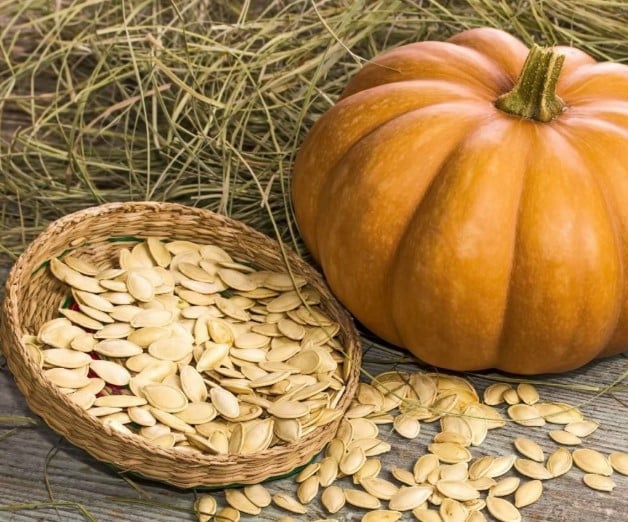
1. Pumpkin Seeds Provide a Concentrated Source of Nutrients
One of the biggest advantages of pumpkin seeds is their nutrient density.
Because they are relatively small, it's easy to eat a substantial amount without realizing it. A serving can provide meaningful amounts of magnesium, phosphorus, zinc, iron, copper, manganese, protein, and unsaturated fats.
Their nutritional profile can vary depending on whether you're eating whole pumpkin seeds, shelled kernels, raw seeds, or roasted and salted varieties.
This is one reason portion size matters.
Pumpkin seeds can be nutritious while still being relatively calorie-dense, largely because they contain a significant amount of fat.
That isn't necessarily a negative.
Much of that fat is unsaturated fat, which can fit well into a heart-conscious eating pattern when consumed in appropriate portions.
2. They're an Excellent Source of Magnesium
Magnesium is one of the minerals pumpkin seeds are particularly well known for providing.
Your body uses magnesium in hundreds of biochemical reactions. It contributes to normal muscle and nerve function, energy metabolism, protein synthesis, and bone health.
Getting enough magnesium through food is important because many people don't consistently consume enough magnesium-rich foods.
Pumpkin seeds can be one convenient way to increase dietary intake.
Other sources include:
-
almonds
-
cashews
-
beans
-
whole grains
-
leafy green vegetables
-
some fish
Eating a varied diet remains important because no single food supplies every nutrient your body needs.
3. Pumpkin Seeds Contain Plant-Based Protein
Pumpkin seeds are also a useful source of protein.
Protein helps the body build and repair tissues and is involved in the production of enzymes, hormones, and other important molecules.
For people who eat little or no meat, seeds and nuts can contribute to overall protein intake.
Pumpkin seeds can be particularly convenient as a topping.
Adding a small amount to oatmeal, yogurt, a salad, or a grain bowl can increase the meal's protein and fat content while also providing minerals.
However, pumpkin seeds should generally be viewed as one component of a protein-rich diet, rather than a complete replacement for all other protein sources.
4. Their Healthy Fats May Support Cardiovascular Health
Pumpkin seeds contain a mixture of fats, including monounsaturated and polyunsaturated fatty acids.
Replacing some foods high in saturated fat with foods containing unsaturated fats is generally considered beneficial for cardiovascular health.
This doesn't mean that eating pumpkin seeds automatically prevents heart disease.
Rather, their nutritional profile can fit into an overall eating pattern that emphasizes:
-
vegetables and fruits
-
whole grains
-
legumes
-
fish
-
nuts and seeds
-
unsaturated fats
-
and moderate amounts of minimally processed foods
The overall dietary pattern matters far more than any individual ingredient.
5. They Provide Zinc
Pumpkin seeds are also notable for their zinc content.
Zinc is an essential mineral involved in immune function, wound healing, DNA and protein synthesis, and normal growth and development.
A deficiency can affect multiple aspects of health, but most people should aim to meet their zinc needs through a varied diet unless a healthcare professional recommends supplementation.
Pumpkin seeds can contribute to that intake.
However, more isn't necessarily better.
Very high zinc intake, particularly from supplements, can interfere with copper absorption and cause other problems. Food-based sources are generally preferable for meeting ordinary nutritional needs.
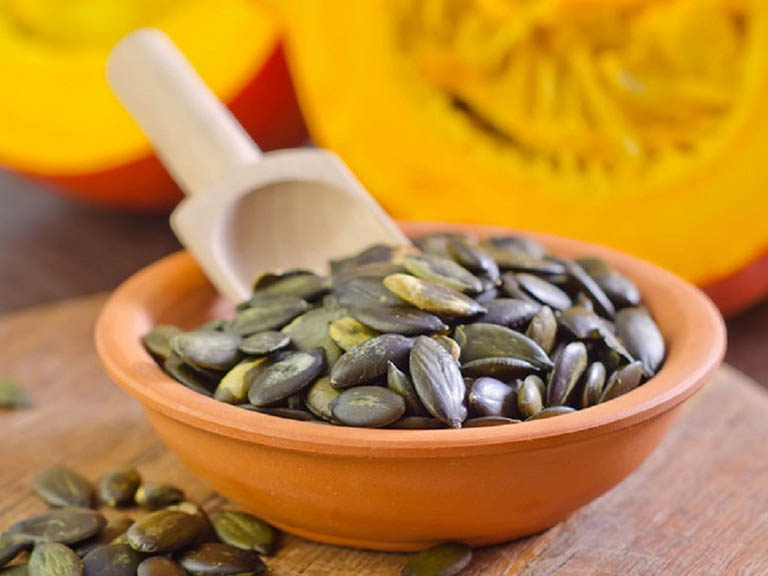
6. Pumpkin Seeds Contain Antioxidant Compounds
Pumpkin seeds also contain various plant compounds that have antioxidant activity.
Antioxidants help protect cells from oxidative damage caused by reactive molecules generated during normal metabolism and by environmental factors.
But it's important not to oversimplify what this means.
Finding antioxidant compounds in a food does not automatically prove that eating that food prevents cancer, heart disease, aging, or other illnesses.
Nutrition research generally looks at the overall dietary pattern, nutrient intake, biomarkers, and long-term health outcomes.
So pumpkin seeds can contribute antioxidant compounds to the diet, but they should not be treated as a medicinal product.
7. They May Help You Feel Full
Because pumpkin seeds contain protein, fat, and some fiber, they can be relatively satisfying.
Foods containing these nutrients generally tend to be more filling than foods consisting primarily of refined carbohydrates.
That makes pumpkin seeds a potentially useful addition to meals or snacks for people trying to build a more satisfying diet.
For example, instead of eating a small snack consisting almost entirely of refined carbohydrates, adding a modest portion of pumpkin seeds can provide protein and fat.
However, portion size remains important.
A handful can contain considerably more calories than people realize.
If weight management is your goal, pumpkin seeds can still fit into your diet, but they are best treated as a nutrient-dense food rather than a “free” snack.
8. What About Blood Sugar?
Pumpkin seeds are relatively low in carbohydrates compared with many traditional snack foods.
Their combination of fat, protein, and fiber may make them a useful addition to meals for people trying to build balanced eating patterns.
Some research has investigated pumpkin seeds and their components in relation to glucose metabolism, but evidence from human studies is not strong enough to say that eating pumpkin seeds treats diabetes or reliably lowers blood sugar.
For someone with diabetes, the more important question is how pumpkin seeds fit into the person's overall meal and carbohydrate intake.
Unsalted pumpkin seeds can be a practical alternative to highly processed snacks, but they don't replace prescribed diabetes treatment or regular glucose monitoring.
9. Pumpkin Seeds and Heart Health: What Should You Know?
The nutritional characteristics of pumpkin seeds make them relevant to heart-healthy eating.
They provide unsaturated fats, magnesium, fiber, and other nutrients associated with healthy dietary patterns.
Some research on seeds and nuts more broadly has found associations between regular consumption and favorable cardiovascular outcomes.
But researchers must distinguish between an association and direct cause and effect.
People who regularly eat nuts and seeds may also have other health-conscious habits, such as eating more vegetables, exercising regularly, and consuming fewer highly processed foods.
Therefore, it would be misleading to say that pumpkin seeds alone are responsible for improved heart health.
They are better understood as one nutritious component of an overall healthy diet.
10. They May Contribute to Bone Health
Pumpkin seeds contain several minerals involved in maintaining healthy bones, including magnesium, phosphorus, and manganese.
Bone health isn't determined by one nutrient.
It depends on a combination of factors, including:
-
calcium intake
-
vitamin D status
-
protein intake
-
physical activity
-
hormonal health
-
age
-
genetics
-
and overall nutrition
Including mineral-rich foods such as pumpkin seeds can therefore contribute to a balanced diet that supports normal bone maintenance.