But pumpkin seeds should not be considered a treatment for osteoporosis or other bone diseases.
11. What About Pumpkin Seeds and Sleep?
You may have heard that eating pumpkin seeds before bed can improve sleep.
The idea partly comes from their magnesium content and the presence of amino acids and other nutrients involved in normal physiological processes.
However, that doesn't mean eating pumpkin seeds at night is guaranteed to make you sleep better.
Research into magnesium and sleep is still developing, and results can vary depending on the population and whether someone is actually deficient.
If you enjoy pumpkin seeds in the evening, there's generally no nutritional rule requiring you to avoid them simply because it's nighttime.
Just remember that a large serving close to bedtime may feel heavy for some people.
12. Pumpkin Seeds Are a Source of Iron
Iron is essential for producing hemoglobin, the protein in red blood cells responsible for carrying oxygen.
Pumpkin seeds contain plant-based, or non-heme, iron.
The body generally absorbs non-heme iron less efficiently than heme iron found in animal foods.
However, food preparation and meal composition can affect absorption.
For example, consuming plant sources of iron alongside foods rich in vitamin C can help increase non-heme iron absorption.
People diagnosed with iron-deficiency anemia should not rely solely on pumpkin seeds to correct the deficiency. Depending on the cause and severity, medical evaluation and specific treatment may be necessary.
13. Could Pumpkin Seeds Help With Prostate Health?
Pumpkin seeds have long been associated with prostate health, partly because they contain compounds such as phytosterols and other plant chemicals.
Pumpkin seed extracts and pumpkin seed oil have also been studied for urinary symptoms associated with benign prostate enlargement.
Some studies have reported potentially beneficial effects, but evidence varies by product, preparation, dose, and study design.
This distinction is important.
Eating ordinary pumpkin seeds is not the same as taking a concentrated pumpkin seed extract.
And pumpkin seeds should not be promoted as a treatment for an enlarged prostate or prostate disease.
Men experiencing symptoms such as difficulty urinating, weak urine flow, blood in the urine, or frequent nighttime urination should discuss them with a healthcare professional.
14. Pumpkin Seeds May Support a Healthy Diet for the Gut
Whole pumpkin seeds contain dietary fiber, although the exact amount depends on whether the seed is consumed with its outer shell or as a shelled kernel.
Fiber plays an important role in digestive health.
Adequate dietary fiber can support regular bowel movements and contributes to a healthy dietary pattern.
But suddenly eating large quantities of seeds can cause digestive discomfort in some people.
Gas, bloating, or abdominal discomfort may occur when fiber intake increases rapidly.
If you're not accustomed to eating many high-fiber foods, gradually increasing your intake and drinking adequate fluids may be more comfortable.
15. Raw, Roasted, or Salted: Does It Matter?
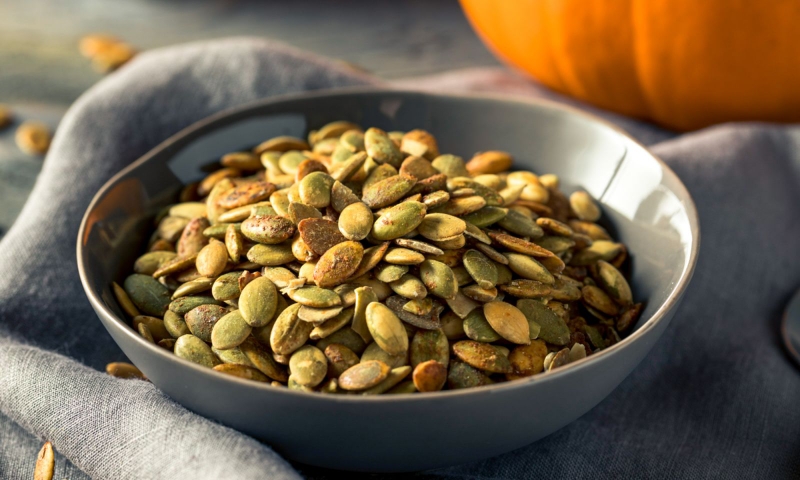
How you eat pumpkin seeds can significantly change their nutritional profile.
Raw pumpkin seeds retain their natural nutrients and contain no added cooking oils or salt unless otherwise prepared.
Roasted pumpkin seeds can still be nutritious, but the roasting process and temperature can affect some nutrients.
Salted pumpkin seeds may contain substantial amounts of sodium.
This is particularly relevant for people who need to limit sodium because of high blood pressure, kidney disease, or other medical conditions.
Flavored varieties may also contain added oils, sugar, or other ingredients.
If you're eating pumpkin seeds regularly, checking the nutrition label can help you understand exactly what you're consuming.
16. Don't Forget Portion Size
One of the easiest mistakes is assuming that because a food is nutritious, you can eat unlimited amounts.
Pumpkin seeds are energy-dense.
A small serving can provide substantial calories, especially when eaten alongside other nuts, seeds, oils, cheese, or avocado.
For many people, a modest handful is enough to add nutritional value without turning a snack into a very large calorie intake.
The ideal amount depends on your overall diet, energy needs, and health goals.
17. Are Pumpkin Seeds Safe for Everyone?
For most people, pumpkin seeds can be part of a healthy diet.
However, there are exceptions.
People with a seed allergy should avoid pumpkin seeds.
Individuals with certain digestive conditions may also need to consider how well they tolerate seeds.
People with chronic kidney disease may need to pay attention to minerals such as potassium and phosphorus depending on their stage of disease and individualized dietary plan.
And heavily salted pumpkin seeds may not be appropriate for someone following a strict low-sodium diet.
If you have a medical condition requiring dietary restrictions, it's better to consider pumpkin seeds in the context of your entire diet rather than assuming that a food is universally healthy for everyone.
18. Easy Ways to Add Pumpkin Seeds to Your Diet
You don't need complicated recipes to enjoy them.
Try adding a small amount to:
-
oatmeal
-
Greek yogurt
-
salads
-
roasted vegetables
-
soups
-
whole-grain cereal
-
homemade granola
-
smoothies
-
rice or grain bowls
-
avocado toast
You can also combine pumpkin seeds with other nuts and seeds to create a simple homemade snack mix.
The goal isn't to eat enormous quantities.
It's simply to use them as one convenient way to add nutrient-rich foods to your meals.
The Bigger Picture: No Single Food Does Everything
Pumpkin seeds deserve their reputation as a nutritious food, but it's important to keep expectations realistic.
They provide valuable nutrients, including magnesium, zinc, iron, protein, unsaturated fats, and other compounds.
Those nutrients contribute to normal bodily functions and can complement a balanced diet.
But pumpkin seeds aren't a cure for diabetes, heart disease, prostate problems, insomnia, or any other medical condition.
The real benefit comes from the overall dietary pattern.
A person who eats a variety of vegetables, fruits, whole grains, legumes, fish or other protein sources, nuts and seeds, while limiting excess sodium, added sugar, and highly processed foods, is getting far more nutritional variety than someone relying heavily on any single “superfood.”
The Bottom Line
Pumpkin seeds may be small, but their nutritional profile makes them worth a place in many diets.
They provide protein, unsaturated fats, fiber, magnesium, zinc, iron, phosphorus, manganese, and various plant compounds. These nutrients support normal functions ranging from muscle and nerve activity to immune function and energy metabolism.
Research also continues to investigate pumpkin seeds and their components in areas such as cardiovascular health, blood sugar regulation, prostate health, and other aspects of wellness. However, many of the strongest claims circulating online go beyond what current evidence can actually establish.
So rather than thinking of pumpkin seeds as a miracle food, think of them as something simpler and perhaps more useful:
a nutrient-dense food that can complement an already balanced diet.
Whether you sprinkle them over breakfast, add them to a salad, mix them into yogurt, or enjoy a small handful as a snack, pumpkin seeds offer an easy way to add more nutrients and variety to your meals.
Sometimes, the foods we overlook are the ones worth taking a second look at.