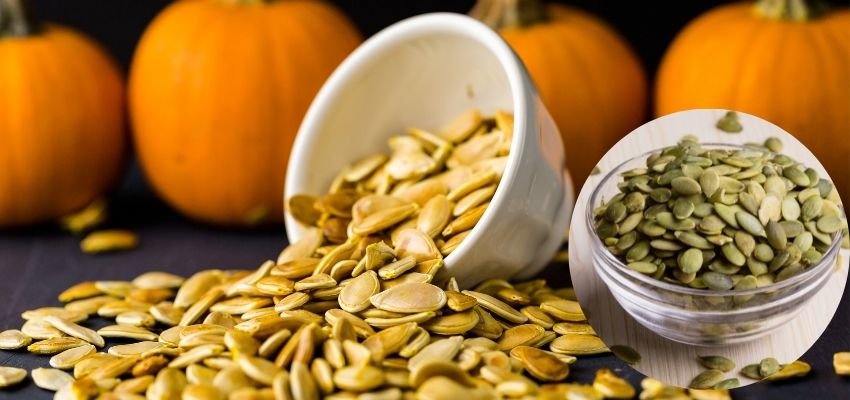
Pumpkin seeds may be small, but they pack an impressive amount of nutrition into a surprisingly tiny package. Often removed from the pumpkin and tossed away, these edible seeds can actually be a convenient source of protein, healthy fats, fiber, magnesium, zinc, iron, and other essential nutrients.
They are also incredibly easy to add to everyday meals. You can eat them as a snack, sprinkle them over oatmeal or yogurt, mix them into salads, or add them to homemade granola.
But what makes pumpkin seeds so interesting from a nutritional perspective?
Let's take a closer look at what these small seeds can contribute to your diet—and why eating them regularly may be worth considering.
1. Pumpkin Seeds Are Packed With Nutrients
Pumpkin seeds are relatively nutrient-dense, meaning they provide a variety of nutrients in a modest serving.
They contain:
-
Protein
-
Unsaturated fats
-
Dietary fiber
-
Magnesium
-
Zinc
-
Iron
-
Phosphorus
-
Copper
-
Manganese
-
Vitamin K
-
Various plant compounds
The exact nutritional content depends on whether the seeds are whole, shelled, raw, roasted, salted, or otherwise processed.
Because pumpkin seeds are also calorie-dense, however, a small handful can go a long way.
That makes portion size worth keeping in mind.
2. They Are a Convenient Source of Plant Protein
Protein is essential for maintaining muscles, bones, skin, enzymes, hormones, and many other structures and processes throughout the body.
Pumpkin seeds can contribute meaningful amounts of plant-based protein to the diet.
They can be especially convenient for people who don't eat much meat or who simply want to diversify their protein sources.
Try adding a spoonful to:
Oatmeal
Greek yogurt
Smoothies
Salads
Soups
Whole-grain cereal
The protein content of a meal can add to its overall nutritional value and may also help with satiety.
Of course, pumpkin seeds aren't a complete replacement for every other protein source. A varied diet that includes legumes, dairy or alternatives, eggs, fish, poultry, or other protein-rich foods can provide a broader range of nutrients.
3. Magnesium Is One of Their Standout Nutrients
One of the most notable nutritional features of pumpkin seeds is their magnesium content.
Magnesium is involved in hundreds of biochemical reactions throughout the body.
It contributes to:
-
Normal muscle and nerve function
-
Energy metabolism
-
Protein synthesis
-
Normal blood glucose regulation
-
Maintaining normal bones
Many people don't consume enough magnesium-rich foods, making foods such as seeds, nuts, legumes, and whole grains useful additions to the diet.
However, it's important not to interpret this as meaning pumpkin seeds can treat magnesium deficiency on their own.
If you have a confirmed deficiency or symptoms that concern you, a healthcare professional can determine whether dietary changes or supplementation are appropriate.
4. Pumpkin Seeds Provide Zinc
Zinc is another mineral found in pumpkin seeds.
Your body needs zinc for several important functions, including normal immune function, wound healing, DNA synthesis, and cell division.
Zinc also contributes to maintaining normal skin and supports normal taste and smell.
Pumpkin seeds can therefore be one useful plant-based source of this mineral.
However, eating enormous quantities isn't necessary or advisable.
Too much zinc over time can interfere with copper absorption and cause other problems.
As with most nutrients, more isn't automatically better.
5. Their Healthy Fats Can Be Part of a Balanced Diet
Pumpkin seeds contain a significant amount of fat, but much of it is unsaturated fat.
Unsaturated fats are generally considered more favorable for cardiovascular health than saturated fats when they replace saturated fats in the diet.
Pumpkin seeds contain both monounsaturated and polyunsaturated fats.
For example, instead of reaching for highly processed snacks, you might use a small portion of pumpkin seeds to add crunch to a salad or yogurt.
This doesn't mean pumpkin seeds are a "heart medicine."
Rather, they can contribute to a dietary pattern that emphasizes nuts, seeds, vegetables, whole grains, legumes, fish, and other nutrient-rich foods.
6. They Can Add Fiber to Your Diet
Whole pumpkin seeds contain dietary fiber, while shelled pumpkin seed kernels generally contain less.
Fiber plays an important role in digestive health and contributes to normal bowel function.
It can also help promote a feeling of fullness after eating.
A diet rich in fiber can support a healthy digestive system and is associated with several long-term health benefits.
If your usual diet is low in fiber, though, don't suddenly start eating huge quantities of seeds.
Increase fiber gradually and drink enough fluids to give your digestive system time to adjust.

7. Pumpkin Seeds Contain Antioxidant Compounds
Pumpkin seeds also contain various plant compounds that have antioxidant properties.
Antioxidants help protect cells from oxidative stress caused by reactive molecules produced during normal metabolism and in response to environmental factors.
This is one reason researchers are interested in seeds and other plant foods.
But it's important to avoid the common mistake of thinking that eating one antioxidant-rich food can "detox" your body.
Your body already has sophisticated systems for handling oxidative stress.
The best approach is to consume a variety of plant foods, rather than relying on one particular ingredient.
8. They May Support a Heart-Healthy Eating Pattern
Pumpkin seeds can fit naturally into a diet focused on cardiovascular health.
Their combination of unsaturated fats, minerals, fiber, and plant compounds makes them a nutritious alternative to many highly processed snack foods.
For example, replacing a salty processed snack with a modest serving of unsalted pumpkin seeds may improve the overall nutritional quality of your snack.
But don't forget that pumpkin seeds themselves can be sold heavily salted or coated with sugar and flavorings.
Always check the label.
The simplest version is often the easiest to fit into a healthy diet.
9. They Can Help Make Meals More Satisfying
Because pumpkin seeds contain protein, fat, and fiber, they can make a meal or snack feel more substantial.
A small amount sprinkled over a bowl of oatmeal can add crunch and nutritional value.
Adding them to a salad can make a vegetable-based meal more satisfying.
You can also combine them with fruit or yogurt for a balanced snack.
This doesn't mean pumpkin seeds automatically cause weight loss.
They are calorie-dense, so eating large quantities can add considerable calories to your diet.
The key is using them as a nutrient-rich addition rather than treating them as a food that can be eaten without limits.
10. They Are Easy to Add to Your Daily Diet
One of the biggest advantages of pumpkin seeds is their versatility.
You don't need elaborate recipes to enjoy them.
At breakfast
Sprinkle pumpkin seeds over oatmeal, yogurt, or whole-grain cereal.
At lunch
Add them to a salad for extra crunch.
As a snack
Keep a small portion of unsalted seeds available when you want something crunchy.
At dinner
Use roasted pumpkin seeds as a topping for soups, roasted vegetables, or grain bowls.
In baking
Add them to homemade bread, muffins, granola, or energy bites.
A little creativity can make them an easy part of your normal eating pattern.
What About Roasted Pumpkin Seeds?
Roasting pumpkin seeds can make them crispier and more flavorful.
From a practical standpoint, roasted seeds can be an excellent snack.
However, pay attention to what is added during processing.
Some commercial products contain:
-
Large amounts of salt
-
Added sugar
-
Excessive oil
-
Flavoring powders
If you're eating pumpkin seeds frequently, choose products with a simple ingredient list when possible.
You can also roast them at home and season them lightly with herbs and spices.
Should You Eat the Shells?
Pumpkin seeds can be sold either with their shells or as shelled kernels.
The shells contain additional fiber, but they can be tough and difficult for some people to digest.
If eating whole seeds, chew them thoroughly.
Shelled pumpkin seed kernels, sometimes called pepitas, are softer and easier to add to foods.
Neither option is universally "better."
Your choice can depend on taste, texture, digestion, and how you plan to use them.
What Are Pepitas?
The term pepita generally refers to a shelled pumpkin seed.
Unlike the hard, pale outer shell found on some pumpkin seeds, pepitas are usually green and flat.
They are especially popular in salads, Mexican-inspired dishes, trail mixes, baked goods, and snack mixes.
Nutritionally, they still provide protein, unsaturated fats, minerals, and other nutrients.
Because the shell has been removed, however, their fiber content differs from whole pumpkin seeds.
Can Pumpkin Seeds Help You Sleep?
You've probably seen claims that pumpkin seeds are a natural sleep remedy.
There is a reason this idea exists.
Pumpkin seeds contain nutrients such as magnesium, and they also contain the amino acid tryptophan.
Both are involved in biological processes related to normal nervous-system function.
However, this does not mean that eating pumpkin seeds before bed will automatically make you sleep better.
Sleep quality is influenced by many factors, including stress, caffeine, alcohol, light exposure, sleep schedule, and underlying health conditions.
Think of pumpkin seeds as a nutritious food that can be part of a balanced diet—not a sleeping pill in snack form.
Can Pumpkin Seeds Support Blood Sugar Management?
Pumpkin seeds are relatively low in carbohydrates and provide protein, fat, and fiber.
That combination can make them a useful addition to meals for people who are trying to build balanced snacks.
However, pumpkin seeds aren't a treatment for diabetes.
People with diabetes should consider their entire dietary pattern, carbohydrate intake, medications, and individual glucose response.
If you're managing diabetes, a registered dietitian or healthcare professional can help you determine how seeds fit into your meal plan.
A Word About Portion Size
Here's something worth remembering:
Healthy foods can still be calorie-dense.
Nuts and seeds are a perfect example.
Because pumpkin seeds contain substantial amounts of fat, a large handful can contain significantly more calories than you might expect.
A practical serving is often around 1 ounce (28 grams), although your appropriate portion depends on your overall calorie and nutrient needs.
You don't need to measure every seed you eat.
Just remember that a small sprinkle may be enough to add flavor and nutrition.
Who Should Be Cautious With Pumpkin Seeds?
Most people can enjoy pumpkin seeds without problems, but there are exceptions.
People with a seed allergy should avoid pumpkin seeds and follow appropriate medical advice.
People with certain kidney conditions may need to monitor minerals such as potassium or phosphorus depending on their individual situation.
People following a calorie-restricted diet may also want to watch portions because seeds are energy-dense.
And if salted pumpkin seeds are a regular snack, the sodium content is worth checking.
If you have a medical condition that requires dietary restrictions, ask your healthcare professional how pumpkin seeds fit into your specific eating plan.
Don't Expect One Food to Do Everything
It's easy for nutrition articles to turn a healthy ingredient into a supposed miracle food.
Pumpkin seeds don't "clean your arteries," cure disease, or magically transform your health overnight.
Their real advantage is much simpler:
They provide a lot of useful nutrients in a small serving.
And when they replace less nutritious snack choices, they can contribute to an overall healthier diet.
That's how most nutritious foods work.
Not through dramatic overnight effects, but through consistent inclusion in a balanced eating pattern.
.jpg)
Simple Ways to Get More From Pumpkin Seeds
If you'd like to eat more pumpkin seeds, start small.
Try adding one or two tablespoons to a meal.
For example:
Oatmeal + berries + pumpkin seeds
Greek yogurt + fruit + pumpkin seeds
Large salad + vegetables + chickpeas + pumpkin seeds
Roasted vegetables + whole grains + pumpkin seeds
Soup + fresh herbs + pumpkin seeds
These combinations allow pumpkin seeds to complement other nutrient-rich foods rather than becoming the entire meal.
The Bottom Line
Pumpkin seeds may be tiny, but they offer an impressive nutritional package.
They can provide protein, unsaturated fats, fiber, magnesium, zinc, iron, phosphorus, and other nutrients that contribute to a healthy diet.
They are particularly useful because they're easy to incorporate into everyday meals and snacks.
The best way to enjoy them is to choose minimally processed varieties, keep portions reasonable, and use them alongside a wide range of vegetables, fruits, whole grains, legumes, and other nutritious foods.
And remember: you don't need to eat a huge amount to benefit from them.
A small sprinkle over breakfast, a spoonful in a salad, or a modest handful as a snack can be enough to add extra nutrition and texture to your day.
In the end, pumpkin seeds aren't a miracle cure—and they don't need to be.
Their real appeal is much more practical: they're a simple, versatile, nutrient-dense food that can make an already balanced diet even better.