Why Your Hands Go Numb and What You Can Do About It
Hands Falling Asleep? Here’s What It Could Mean
⏱️ 1 min read 28/08/2026 12:16
For many people, purslane may look like nothing more than a small weed growing between garden beds, along sidewalks, or in patches of dry soil. Its low-growing stems and fleshy leaves can make it easy to overlook. But for centuries, this humble plant has been used as a food and traditional herb in different parts of the world.
Known scientifically as Portulaca oleracea, purslane is a succulent plant with small green leaves, reddish stems, and a slightly tangy flavor. It can be eaten raw or cooked and is used in a variety of traditional cuisines.
What makes purslane particularly interesting is its nutritional profile. The plant provides several vitamins, minerals, antioxidants, and beneficial plant compounds. It also contains alpha-linolenic acid (ALA), a plant-based omega-3 fatty acid that contributes to its nutritional appeal.
While traditional use should not be confused with proven medical treatment, modern nutritional research has helped explain why this ordinary-looking plant has attracted so much attention.
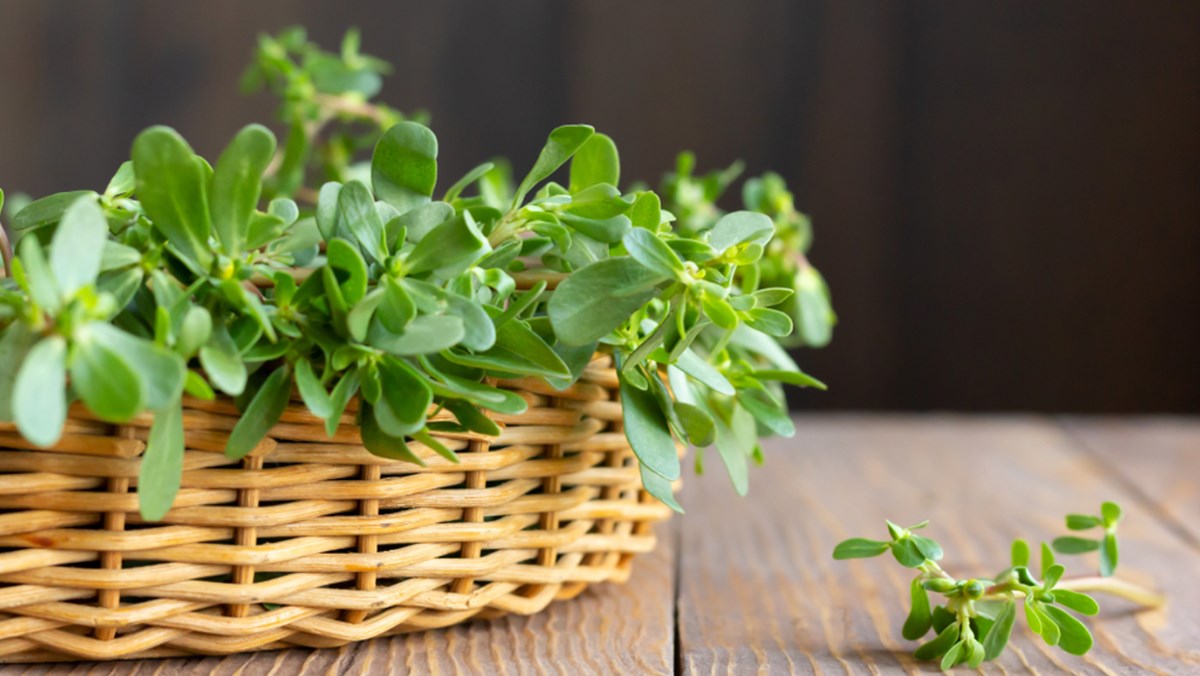
Purslane is a hardy succulent that grows close to the ground.
It has smooth, fleshy leaves and stems that can store water, allowing it to survive in relatively dry conditions. This ability is one reason purslane can sometimes appear in places where other plants struggle to grow.
It is found in many parts of the world and has been incorporated into traditional diets for generations.
Depending on the region, people may use the leaves and tender stems in:
Salads
Soups
Stews
Vegetable dishes
Sauces
Pickled preparations
Cooked greens
Its flavor is often described as mildly sour, fresh, or lemony, with a pleasant crispness when eaten raw.
One of the reasons purslane has attracted modern nutritional interest is that it contains a variety of nutrients in a relatively small plant.
Purslane can provide vitamin A-related carotenoids, vitamin C, vitamin E, magnesium, potassium, calcium, and other micronutrients, although the exact nutritional content varies according to growing conditions, plant maturity, and preparation.
It also contains naturally occurring plant compounds with antioxidant activity.
This doesn't make purslane a miracle food.
Instead, it makes it another potentially useful vegetable to include as part of a varied and balanced diet.
One of purslane's most notable nutritional characteristics is its content of alpha-linolenic acid, or ALA.
ALA is an essential omega-3 fatty acid, meaning the body cannot produce it in sufficient amounts and must obtain it from food.
Other plant sources of ALA include:
Flaxseeds
Chia seeds
Walnuts
Hemp seeds
Soybeans
The body can convert ALA into the longer-chain omega-3 fatty acids EPA and DHA, but the conversion is limited.
Therefore, purslane shouldn't be considered a direct nutritional equivalent to fatty fish or marine sources of EPA and DHA.
Nevertheless, its ALA content makes it an interesting addition to plant-forward diets.
Plants contain numerous compounds that help protect them from environmental stress.
When humans consume plant foods, some of these compounds can contribute to antioxidant activity in the body.
Purslane contains several antioxidant-related compounds, including vitamin C, vitamin E, carotenoids, and various polyphenols.
Antioxidants are often discussed in connection with oxidative stress, a process involving reactive molecules that can damage cells when their production and the body's protective systems become imbalanced.
Eating a variety of colorful vegetables and fruits is one practical way to obtain antioxidants from the diet.
Purslane can be one small part of that broader nutritional pattern.
Because purslane provides ALA, potassium, magnesium, and other nutrients, researchers have become interested in its potential relationship with cardiovascular health.
However, it's important to make a distinction.
Eating purslane doesn't automatically prevent heart disease.
Instead, its nutritional composition may complement an overall dietary pattern that supports cardiovascular health.
A heart-conscious diet generally emphasizes vegetables, fruits, whole grains, legumes, nuts, seeds, and other minimally processed foods while limiting excessive sodium, added sugars, and highly processed foods.
Adding purslane to such a diet can provide variety without requiring major changes to the way you eat.

Sometimes healthy eating becomes unnecessarily complicated.
People may search for one particular food that can "detox" the body, lower inflammation, or solve a specific health problem.
In reality, nutrition usually works differently.
No single vegetable provides everything the body needs.
The goal is variety.
Leafy greens, legumes, whole grains, fruits, nuts, seeds, and other vegetables each provide different combinations of nutrients and plant compounds.
Purslane can contribute to that variety.
Instead of thinking of it as a miracle plant, it's more useful to view it as one nutritious food among many.
Long before modern nutrition labels and laboratory analysis existed, communities around the world were already using purslane as both food and traditional medicine.
Historical and traditional practices have included using the plant in preparations intended to support general well-being.
Traditional medicine is valuable from a cultural and historical perspective, but traditional use does not automatically establish that a plant can treat a disease.
Modern scientific research must evaluate specific health claims through controlled studies.
This distinction is particularly important when discussing herbal remedies online.
If you have access to correctly identified edible purslane, there are several simple ways to use it.
Young leaves and tender stems can be washed thoroughly and added to salads.
Their slightly tangy flavor can provide a refreshing contrast to sweeter vegetables.
Purslane can be added toward the end of cooking so that the leaves retain some texture.
It can be lightly sautéed or incorporated into vegetable dishes.
Finely chopped purslane can add freshness and acidity to certain preparations.
Using purslane alongside tomatoes, cucumbers, peppers, herbs, beans, or grains can create a nutrient-rich meal with a variety of textures.
This is particularly important.
Several plants can resemble purslane, and not every plant growing in a yard or garden is safe to eat.
Purslane is also sometimes confused with spurge, a group of plants that can have somewhat similar growth patterns. Some spurges produce a milky sap and should not be consumed.
If you are harvesting wild plants, accurate identification is essential.
Don't rely solely on a photograph from social media or a general description.
When uncertain, consult a reliable botanical identification resource or an experienced local expert.
As with other fresh produce, purslane should be washed thoroughly before eating.
If it has been collected from an area treated with pesticides, herbicides, fertilizers, or other chemicals, it may not be suitable for consumption.
You should also avoid harvesting plants growing alongside roads, industrial areas, or places where contamination is possible.
For store-bought purslane, follow normal food-safety practices.
Keep it refrigerated when appropriate and wash it before preparation.
One nutritional consideration deserves attention.
Purslane contains oxalates, naturally occurring compounds found in many plants.
For most healthy people, eating moderate amounts of oxalate-containing vegetables as part of a balanced diet isn't necessarily a problem.
However, people who have been advised by a healthcare professional to limit dietary oxalate—such as some individuals with a history of calcium oxalate kidney stones—may need to be more cautious.
If you have a kidney condition or have received specific dietary restrictions, it's sensible to discuss whether purslane fits into your diet.
The fact that a food is nutritious doesn't mean more is always better.
A healthy diet depends on balance and variety.
Rather than eating large quantities of purslane every day because it is associated with certain nutrients, consider incorporating it alongside many other vegetables and plant foods.
This approach provides a broader range of nutrients and reduces the risk of relying too heavily on a single ingredient.
Researchers have investigated whether purslane and its compounds may influence blood glucose metabolism.
Some experimental and small human studies have explored potential effects involving glucose and metabolic markers.
However, evidence remains insufficient to consider purslane a treatment for diabetes.
People with diabetes should continue following their prescribed treatment and dietary recommendations.
If you want to add purslane regularly to your meals while taking glucose-lowering medication, discussing dietary changes with your healthcare professional may be appropriate.
Purslane is also frequently discussed in connection with inflammation because it contains various plant compounds with antioxidant and biological activity.
Laboratory and animal research has investigated several of these compounds.
But findings from test tubes or animal models don't automatically translate into the same effects in humans.
This is an important distinction when evaluating health claims.
A food can have interesting biological properties in laboratory research without being proven to prevent or treat a disease in people.
For now, the strongest practical reason to eat purslane is its nutritional value and versatility, rather than treating it as medicine.
For people trying to eat more plant foods, purslane can be an interesting addition.
Its fresh leaves can increase the variety of vegetables in a meal while providing a distinctive texture and flavor.
It can also be useful for people who enjoy experimenting with traditional foods.
Instead of relying exclusively on familiar vegetables such as spinach, lettuce, or kale, adding less-common greens can make healthy eating more enjoyable.
And enjoyment matters.
A nutritious diet is much easier to maintain when the food is appealing and varied.
Purslane is a great example of how appearances can be misleading.
To one person, it may look like an annoying weed that needs to be pulled from the garden.
To another, it is a traditional vegetable.
And from a nutritional perspective, it is a plant containing a surprisingly diverse collection of nutrients and bioactive compounds.
That doesn't mean every wild plant should suddenly be eaten.
It simply demonstrates that some plants that are commonly overlooked can have genuine nutritional value.
One of the biggest lessons from purslane is that beneficial nutrients can often be obtained through ordinary foods.
If you're looking to increase omega-3 intake, for example, there are many food options, including fatty fish, flaxseed, chia seeds, walnuts, and other sources.
If you're looking for antioxidants, a wide variety of fruits and vegetables can provide them.
Purslane can contribute, but it doesn't need to carry the entire burden of a healthy diet.
A diverse menu is generally more valuable than searching for one "superfood."
Although purslane can be eaten as a vegetable, certain people may need to take additional precautions.
Those with specific kidney conditions, a history of certain kidney stones, or dietary restrictions involving oxalates should consult a healthcare professional before consuming large quantities.
People who are pregnant, taking multiple medications, or considering purslane extracts or concentrated supplements should also seek appropriate professional advice.
Whole foods and concentrated herbal extracts are not necessarily equivalent.
A plant consumed as part of a meal can have a very different exposure level from a highly concentrated supplement.
It's tempting to look at a food and ask, "What can this one ingredient do for me?"
A better question is:
"How does this food fit into my overall diet?"
Purslane can provide useful nutrients.
But its potential benefits become more meaningful when combined with other healthy habits.
Regular physical activity, sufficient sleep, avoiding tobacco, maintaining a healthy weight, and managing conditions such as high blood pressure and diabetes all play important roles in long-term health.
No single herb can replace these fundamentals.
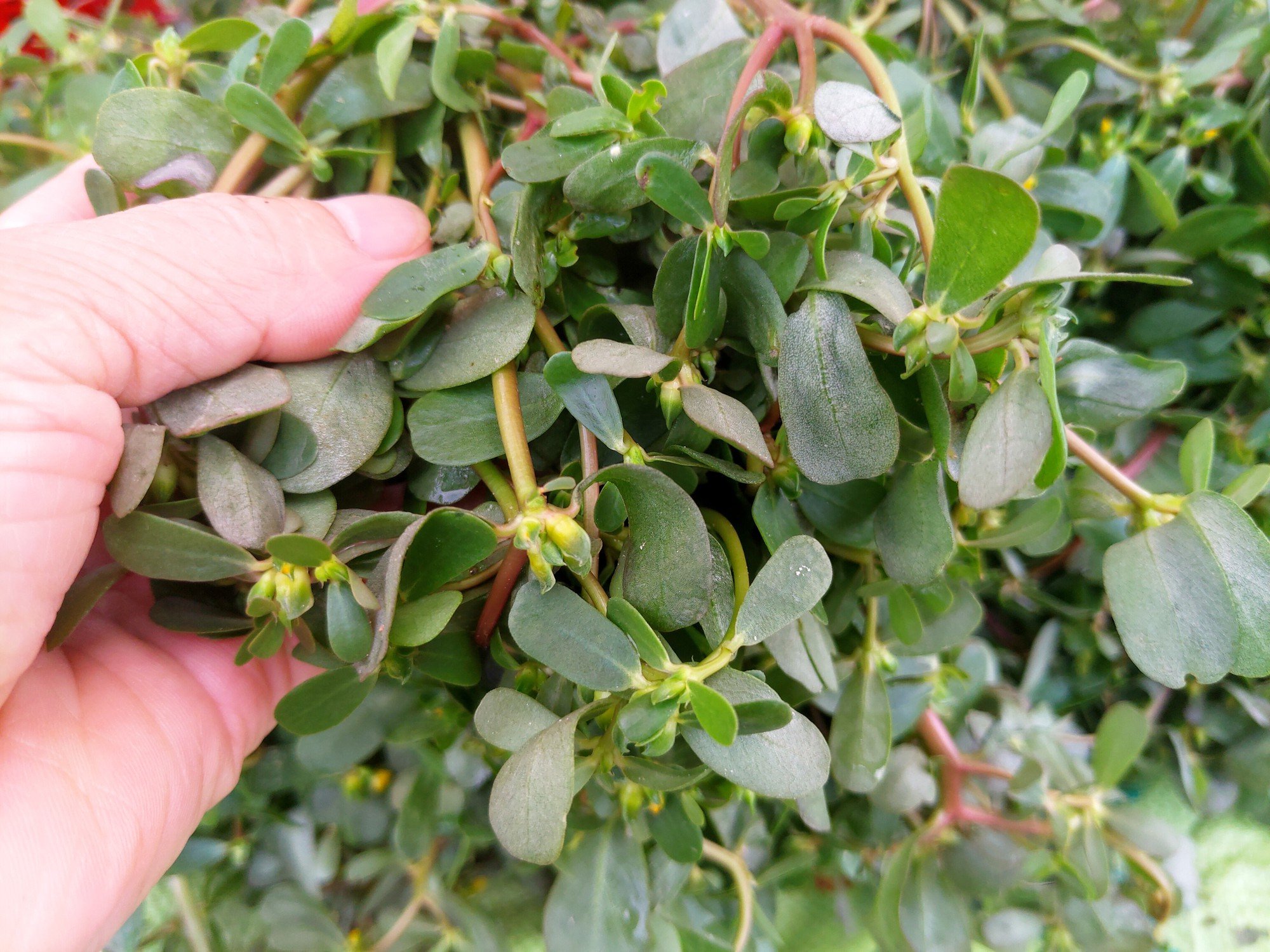
Purslane may be small, but its nutritional profile has made it worthy of attention.
It provides plant-based omega-3 ALA, vitamins, minerals, antioxidants, and other naturally occurring compounds.
Its long history as a traditional food shows that people have recognized its usefulness for generations.
Modern research continues to investigate its biological properties, but many questions remain, particularly regarding how specific compounds translate into meaningful health outcomes in humans.
That is why the most sensible way to view purslane is not as a miracle cure, but as a nutritious and versatile plant that can have a place in a balanced diet.
The next time you see a small, fleshy green plant spreading close to the ground, you may think twice before dismissing it as ordinary.
Purslane has been valued across cultures for generations, and modern nutrition has given us additional reasons to appreciate it.
Its combination of vitamins, minerals, antioxidants, and plant-based omega-3 ALA makes it an interesting addition to a varied diet.
At the same time, responsible use matters. Correct identification is essential when harvesting wild plants, and people with particular medical or dietary concerns may need to limit or avoid it.
Ultimately, purslane doesn't need to be a miracle food to be worthwhile.
Sometimes, the most useful foods are simply the ones that provide valuable nutrients, add variety to our meals, and have been quietly growing around us for generations.
Purslane may look like an ordinary garden weed, but its nutritional story is anything but ordinary.
Hands Falling Asleep? Here’s What It Could Mean
Your Body May Warn You Before a Heart Attack - 7 Signs to Know
Your Feet May Show Clues About Your Liver Health - Here’s What to Know
How Everyday Stress Can Take a Toll on Your Health
Most People Ignore Pig’s Feet—Until They Learn What’s Inside
Can One Sweet Potato a Day Make a Difference?
Your Body Might Be Sending a Warning Sign at 3 A.M.
A mother’s quick thinking helped protect her child before help arrived.
A nutrition debate reignites as experts weigh the effects of boiled eggs.
Small skin bumps may seem harmless, but some can signal deeper issues.
What Your Body May Gain—and What to Watch For—When You Eat Sweet Potatoes Daily… 👇
Pain in Your Hip? Here Are Some Possible Reasons You Should Know… ⚠️👇
Do You Wake Up Drooling? This Common Sleep Habit May Be Trying to Tell You Something… 👀
Think Strokes Happen Without Warning? This Early Clue May Change Your Mind… 🧠👇
The Hidden Benefits of Winged Beans You Probably Never Heard About… 👇👇
Hands Falling Asleep? Here’s What It Could Mean
Your Body May Warn You Before a Heart Attack - 7 Signs to Know
Your Feet May Show Clues About Your Liver Health - Here’s What to Know
Not Eggs After All: The Mystery Behind Those Tiny Garden Cups
How InnoMake Smart Shoes Use Sensors to Help Detect Obstacles
His Name Was on the Tag But He Had No Idea Why - Then Came the Keys
How Everyday Stress Can Take a Toll on Your Health
Most People Ignore Pig’s Feet—Until They Learn What’s Inside
Can One Sweet Potato a Day Make a Difference?
Your Body Might Be Sending a Warning Sign at 3 A.M.