A clogged drain is one of the most common household problems people face. Whether it happens in the kitchen sink, bathroom drain, shower, or laundry area, slow or blocked drains can quickly become frustrating and messy. Many homeowners immediately think they need expensive plumbing services or harsh chemical cleaners, but in many cases, minor clogs can be handled using simple and affordable methods with common household ingredients.
Natural drain-cleaning techniques have become increasingly popular because they may help reduce exposure to strong chemicals while also saving money. Everyday items such as baking soda, vinegar, hot water, and simple tools can sometimes remove grease, soap buildup, food debris, hair, and minor blockages before they become serious plumbing problems.
However, not every clog can be solved naturally. Severe blockages, damaged pipes, or recurring drainage problems may still require professional attention.
Understanding how household drains become clogged and learning a few practical DIY methods may help keep plumbing systems flowing more smoothly.

Why Household Drains Get Clogged
Drains slowly accumulate materials over time.
Common causes include:
- Hair
- Soap residue
- Grease
- Food particles
- Mineral buildup
- Dirt
- Oil
- Toothpaste residue
As debris accumulates inside pipes, water flow gradually slows down.
Eventually, complete blockage may occur.
Different drains tend to clog for different reasons.
Kitchen Drain Clogs
Kitchen sinks commonly clog because of:
- Cooking grease
- Oil
- Food scraps
- Coffee grounds
- Soap residue
Grease is especially problematic because it may cool and harden inside pipes.
Over time, sticky grease traps additional debris.
Bathroom Drain Clogs
Bathroom drains often become blocked by:
- Hair
- Soap scum
- Toothpaste
- Skin oils
Hair is one of the most common causes of shower and sink clogs.
Why Natural Methods Are Popular
Many commercial drain cleaners contain strong chemicals that may:
- Irritate skin
- Produce fumes
- Damage pipes over time
- Harm the environment
Natural methods are often preferred because they:
- Use inexpensive ingredients
- Avoid harsh chemical exposure
- Are safer for regular maintenance
However, natural methods work best for minor or moderate clogs.
1. Hot Water Flush
One of the simplest drain-cleaning methods involves hot water.
Hot water may help:
- Loosen grease
- Dissolve soap buildup
- Improve water flow
For many small clogs, pouring hot water slowly down the drain may help clear soft buildup.
Important Safety Note About Boiling Water
Boiling water should be used carefully.
Very hot water may damage certain:
- Plastic pipes
- PVC plumbing
- Older pipe connections
Warm or moderately hot water is often safer for delicate plumbing systems.
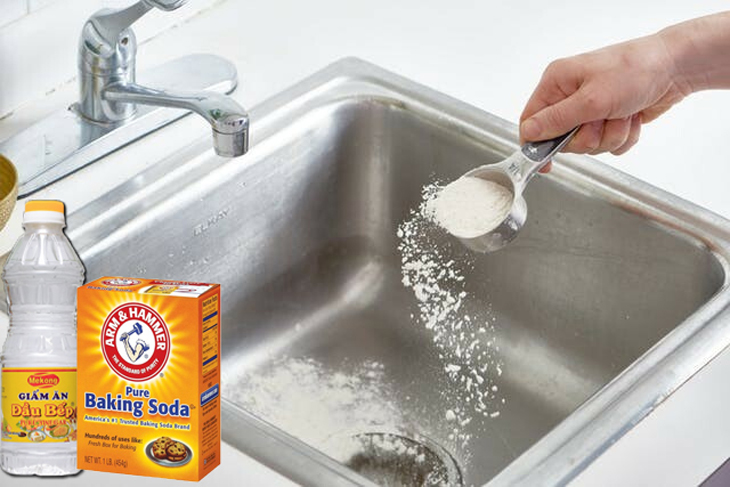
2. Baking Soda and Vinegar Method
One of the most popular natural drain-cleaning methods combines:
- Baking soda
- Vinegar
This mixture creates a fizzy chemical reaction that may help loosen debris inside pipes.
How the Baking Soda and Vinegar Method Works
Typical steps include:
- Pour baking soda into the drain
- Add vinegar
- Allow bubbling action to work
- Flush with warm water afterward
The bubbling may help break apart:
- Grease
- Soap residue
- Minor buildup
This method is commonly used for:
- Bathroom sinks
- Kitchen drains
- Shower drains

Why Baking Soda Is Helpful
Baking soda may help:
- Neutralize odors
- Loosen grime
- Reduce mild buildup
It is also widely available and inexpensive.
Why Vinegar Is Used
Vinegar is mildly acidic and may help dissolve:
- Mineral deposits
- Soap residue
- Greasy buildup
Its acidity also contributes to the bubbling reaction with baking soda.
3. Plunger Method
A plunger is one of the most effective tools for many household clogs.
Plungers work by creating pressure changes that may loosen blockages.
This method is often effective for:
- Sink drains
- Bathtubs
- Toilets
Proper sealing around the drain improves effectiveness.
Tips for Better Plunging
Helpful tips include:
- Using enough water to cover the plunger
- Creating a tight seal
- Applying steady pressure
- Repeating several times
Sometimes multiple attempts are needed.
4. Drain Snake or Hair Removal Tool
Hair clogs often require physical removal.
Simple tools such as:
- Plastic drain snakes
- Flexible hooks
- Hair grabbers
may help pull debris from bathroom drains.
These inexpensive tools are commonly available and may remove surprising amounts of buildup.
5. Salt and Baking Soda Mixture
Some people use a mixture of:
- Salt
- Baking soda
followed by warm water.
Salt may help provide mild abrasive action that assists with loosening buildup.
This method is often used for routine maintenance.
6. Dish Soap and Warm Water
Greasy kitchen clogs may respond to:
- Dish soap
- Warm water
Dish soap helps break down fats and oils that may coat pipes.
This method may be especially useful after cooking grease enters the drain accidentally.
What NOT to Put Down the Drain
Preventing clogs is often easier than removing them.
Avoid placing these items into drains:
- Grease
- Oil
- Coffee grounds
- Eggshells
- Rice
- Pasta
- Fibrous vegetables
In bathrooms, hair catchers may help reduce buildup significantly.
Why Grease Is So Problematic
Many people pour liquid grease down drains, assuming it will wash away safely.
However, grease often:
- Cools inside pipes
- Hardens
- Traps debris
Over time, severe blockages may form.
Allowing grease to cool in containers before disposal is often safer.
Drain Odors and Bacteria
Slow drains may sometimes produce unpleasant smells due to:
- Food decomposition
- Bacteria buildup
- Trapped debris
Natural cleaning methods may help reduce mild odors.
Persistent foul smells may signal larger plumbing issues.
How to Maintain Drains Naturally
Regular maintenance may help reduce major clogs.
Simple habits include:
- Flushing drains with warm water
- Using drain strainers
- Avoiding grease disposal
- Cleaning drains regularly
Small preventive steps may save money long term.
Signs a Drain Problem May Be Serious
Some symptoms may suggest larger plumbing issues.
Examples include:
- Multiple drains clogging at once
- Sewage smells
- Water backing up
- Frequent recurring clogs
- Gurgling sounds
These situations may require professional inspection.
When Professional Help Is Necessary
Natural methods may not solve:
- Deep pipe blockages
- Tree root intrusion
- Broken pipes
- Severe buildup
Ignoring major plumbing issues may eventually worsen damage.
Professional plumbers may use:
- Drain cameras
- Mechanical augers
- Hydro-jetting equipment
for more serious problems.
Why Harsh Chemical Cleaners Can Be Risky
Strong chemical drain cleaners may:
- Damage pipes
- Cause burns
- Release fumes
- Harm septic systems
Repeated use may weaken plumbing over time.
Natural maintenance methods are often gentler.
Eco-Friendly Cleaning Benefits
Natural cleaning methods may:
- Reduce chemical waste
- Lower environmental impact
- Improve indoor air quality
Many households prefer environmentally friendly maintenance whenever possible.
Building Better Household Habits
Simple daily habits may reduce future plumbing problems.
Helpful practices include:
- Using sink strainers
- Cleaning hair traps
- Avoiding food disposal in drains
- Flushing drains periodically
Preventive care is usually easier than emergency repairs.
Final Thoughts
Minor household drain clogs can often be managed using simple, affordable, and natural methods such as hot water, baking soda, vinegar, plungers, and drain-cleaning tools. These approaches may help loosen grease, remove hair buildup, and improve water flow without relying heavily on harsh chemicals or expensive plumbing services.
At the same time, persistent or severe drainage problems should never be ignored, as they may indicate larger plumbing issues that require professional attention.
Regular maintenance, smart disposal habits, and early action may help keep household drains cleaner, safer, and functioning properly over the long term.