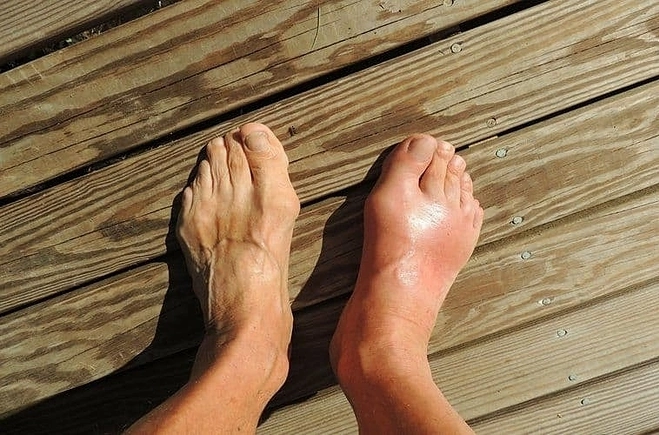
Gout is one of the most common forms of inflammatory arthritis, affecting millions of people worldwide. It is well known for causing sudden episodes of severe joint pain, swelling, redness, and warmth—often beginning in the big toe, although it can affect the ankles, knees, wrists, fingers, and other joints as well.
Many people describe a gout flare as one of the most painful experiences they have ever had. Even the light pressure of a bedsheet touching the affected joint can feel unbearable.
The good news is that gout can often be managed successfully through a combination of medications, lifestyle changes, and dietary adjustments. While food is not the only factor that influences gout, certain foods may contribute to increased uric acid levels in some people and may increase the likelihood of flare-ups.
It's important to remember that diet alone does not cause gout, and not everyone reacts to the same foods. Genetics, kidney function, body weight, medications, alcohol intake, and overall health all play important roles.
Here are 6 common foods and beverages that people with gout may want to pay closer attention to.

Understanding Gout
Gout develops when uric acid builds up in the bloodstream.
Normally, uric acid dissolves in the blood and is removed through the kidneys.
However, problems may occur if:
-
The body produces too much uric acid.
-
The kidneys remove too little uric acid.
-
Both occur simultaneously.
When uric acid levels remain elevated, sharp crystals can form inside joints.
The immune system reacts to these crystals, causing intense inflammation.
Common Symptoms of a Gout Flare
Symptoms often appear suddenly, sometimes overnight.
They may include:
-
Severe joint pain
-
Swelling
-
Redness
-
Warmth
-
Tenderness
-
Limited movement
Without treatment, symptoms may gradually improve over several days or weeks.
Repeated attacks, however, can lead to long-term joint damage if gout is not properly managed.
1. Organ Meats
Organ meats are among the richest dietary sources of purines, naturally occurring compounds that the body breaks down into uric acid.
Examples include:
-
Liver
-
Kidneys
-
Sweetbreads
-
Brain
Because of their high purine content, people with gout are often advised to limit these foods.
They can still be enjoyed occasionally in some cases, but portion size and individual tolerance matter.
Discuss personalized recommendations with your healthcare provider or dietitian.
2. Certain Seafood
Seafood is an excellent source of protein and healthy fats, but some varieties contain higher levels of purines.
Examples include:
-
Anchovies
-
Sardines
-
Herring
-
Mussels
-
Scallops
-
Trout
-
Tuna (moderate amounts)
This does not mean everyone with gout must avoid seafood entirely.
Many people can still enjoy moderate portions while limiting the highest-purine options.
Fatty fish such as salmon also provide heart-healthy omega-3 fatty acids, making individualized advice important.
3. Red Meat
Beef, lamb, and pork generally contain more purines than many plant-based protein sources.
Large portions eaten frequently may contribute to higher uric acid levels in some individuals.
Rather than eliminating red meat completely, many experts recommend:
-
Smaller portions
-
Lean cuts
-
Less frequent consumption
Replacing some meals with poultry, beans, lentils, or fish may also help diversify protein intake.
4. Sugar-Sweetened Beverages
Unlike purines, fructose raises uric acid through a different metabolic pathway.
Drinks that may contribute include:
-
Regular soda
-
Sweetened fruit drinks
-
Energy drinks
-
Sweetened iced tea
Research suggests frequent consumption of sugar-sweetened beverages is associated with an increased risk of gout.
Choosing water, sparkling water without added sugar, or unsweetened beverages may be a healthier alternative.

5. Alcohol - Especially Beer
Alcohol is a well-recognized trigger for gout in many people.
Beer is of particular concern because it contains both:
-
Alcohol
-
Purines derived from brewer's yeast
Alcohol may:
-
Increase uric acid production.
-
Reduce the kidneys' ability to remove uric acid.
-
Increase dehydration, which may further contribute to gout attacks.
Some people also notice flare-ups after consuming spirits or wine, although individual responses vary.
If you have gout, discuss alcohol intake with your healthcare provider.
6. Highly Processed Foods Rich in Added Sugar
Highly processed foods often contain:
-
Added sugars
-
Refined carbohydrates
-
Excess calories
Examples include:
-
Candy
-
Cakes
-
Cookies
-
Pastries
-
Sweet breakfast cereals
-
Packaged desserts
While these foods are not necessarily high in purines, diets high in added sugars may contribute to obesity and insulin resistance, both of which are associated with elevated uric acid levels.
Foods That Are Often Misunderstood
Some foods once thought to worsen gout may not need to be completely avoided.
Beans and Lentils
Beans contain moderate amounts of purines.
However, research suggests plant-based purines do not appear to increase gout risk in the same way as many animal-based purines.
Beans also provide:
-
Fiber
-
Protein
-
Vitamins
-
Minerals
For many people with gout, they can be part of a healthy diet.
Spinach and Mushrooms
Vegetables such as:
-
Spinach
-
Asparagus
-
Mushrooms
-
Cauliflower
contain purines.
Current evidence indicates these vegetables generally do not increase the risk of gout attacks and should not automatically be avoided.
What Foods May Help Support Gout Management?
Although no food cures gout, several dietary choices may support overall health and help manage uric acid levels.
Low-Fat Dairy Products
Research suggests low-fat dairy products may be associated with a lower risk of gout.
Examples include:
-
Low-fat yogurt
-
Skim milk
-
Cottage cheese
These foods also provide calcium and protein.
Cherries
Some studies suggest cherries and cherry products may be associated with fewer gout flare-ups in some individuals, possibly because of their antioxidant compounds.
However, the evidence is still evolving, and cherries should not replace prescribed medication.
Coffee
Some observational studies have found that regular coffee consumption is associated with lower uric acid levels in certain populations.
However, coffee is not appropriate for everyone, and people with other medical conditions should follow their healthcare provider's advice.
Vitamin C-Rich Foods
Vitamin C may help support normal uric acid metabolism in some people.
Good sources include:
-
Oranges
-
Kiwi
-
Strawberries
-
Bell peppers
-
Broccoli
Avoid taking high-dose supplements unless recommended by your healthcare provider.
Hydration Matters
Drinking enough water helps the kidneys remove uric acid.
Staying hydrated is especially important during:
-
Hot weather
-
Exercise
-
Illness
Individual fluid needs vary depending on age, activity level, climate, and medical conditions.
Maintain a Healthy Weight
Excess body weight increases the risk of elevated uric acid levels.
Gradual, sustainable weight loss may help reduce gout risk.
Crash diets and prolonged fasting should be avoided because they can temporarily increase uric acid levels.
Exercise Regularly
Regular physical activity supports:
-
Healthy weight
-
Heart health
-
Metabolic health
Choose activities appropriate for your fitness level.
Avoid exercising on an acutely inflamed joint during a gout flare.
Don't Stop Your Medication During a Flare
Some people mistakenly stop uric acid-lowering medication when symptoms appear.
In many cases, continuing prescribed medications as directed is recommended, but always follow your healthcare provider's instructions.
Never change medications without medical advice.
Can Diet Alone Control Gout?
Diet plays an important role, but it is often not enough by itself, particularly for people with frequent gout attacks or very high uric acid levels.
Many individuals benefit from medications such as:
-
Allopurinol
-
Febuxostat
-
Other urate-lowering therapies
These medications should only be taken under medical supervision.
Common Gout Triggers Beyond Food
Flare-ups may also be triggered by:
-
Dehydration
-
Illness
-
Surgery
-
Stress
-
Certain medications (such as some diuretics)
-
Rapid weight loss
Identifying personal triggers can help reduce future attacks.
Common Myths About Gout
Myth 1: Only Older Men Get Gout
Although gout is more common in men, women—especially after menopause—can also develop it.
Myth 2: Tomatoes Cause Gout
Some individuals report tomatoes as a personal trigger, but current scientific evidence does not support avoiding tomatoes for everyone with gout.
Myth 3: You Must Avoid All Meat Forever
Most people do not need to eliminate meat completely.
Moderation and portion control are often more realistic and sustainable.
Myth 4: Gout Is Only Caused by Poor Diet
Diet is only one factor.
Genetics, kidney function, medications, and other health conditions all contribute.
When Should You See a Doctor?
Seek medical evaluation if you:
-
Experience your first episode of severe joint pain.
-
Have repeated gout attacks.
-
Develop fever along with a swollen joint.
-
Notice persistent joint stiffness between attacks.
-
Have difficulty walking because of joint pain.
A swollen, painful joint may also be caused by joint infection, which requires urgent medical attention.
The Bottom Line
Recurring gout attacks can be frustrating, but understanding your personal triggers is an important step toward better management. Organ meats, certain seafood, red meat, sugar-sweetened beverages, beer and other alcoholic drinks, and highly processed sugary foods may contribute to higher uric acid levels or increase the risk of flare-ups in some individuals.
At the same time, diet is only one part of gout management. Staying hydrated, maintaining a healthy weight, exercising regularly, limiting alcohol, and taking prescribed medications when appropriate all play important roles.
Final Thoughts
Living with gout doesn't mean giving up all your favorite foods. Instead, it means learning which foods may affect you personally and making informed, balanced choices. Many people successfully reduce the frequency of gout flare-ups by combining healthy eating habits with regular medical care and appropriate treatment.
If you're experiencing recurring attacks, don't rely solely on dietary changes. Work with your healthcare provider to identify the underlying causes, monitor your uric acid levels, and develop a personalized management plan. With the right combination of lifestyle strategies and medical care, many people with gout can enjoy fewer flare-ups and maintain an active, healthy life.