Red Spots on the Skin: What They Mean and When You Should Be Concerned
Red spots on the skin are a common concern that can appear suddenly or develop over time. While many cases are harmless, experts warn that some types of red spots may signal underlying health issues that should not be ignored.
Understanding the possible causes can help you determine whether it’s a minor irritation—or something that requires medical attention.
Common Causes of Red Spots on the Skin
There are many reasons why red spots may appear, ranging from mild conditions to more serious concerns.
1. Allergic Reactions
One of the most frequent causes is an allergic reaction.
Triggers may include:
- Food
- Medications
- Skincare products
- Environmental allergens
These reactions often appear as red, itchy patches or hives and may spread across the body.
2. Acne and Skin Irritation
Acne is another common cause of red spots, especially on the face, chest, and back.
Inflammation of pores can lead to:
- Red bumps
- Swelling
- Tenderness
Skin irritation from shaving, friction, or harsh products can also cause redness.
3. Heat Rash
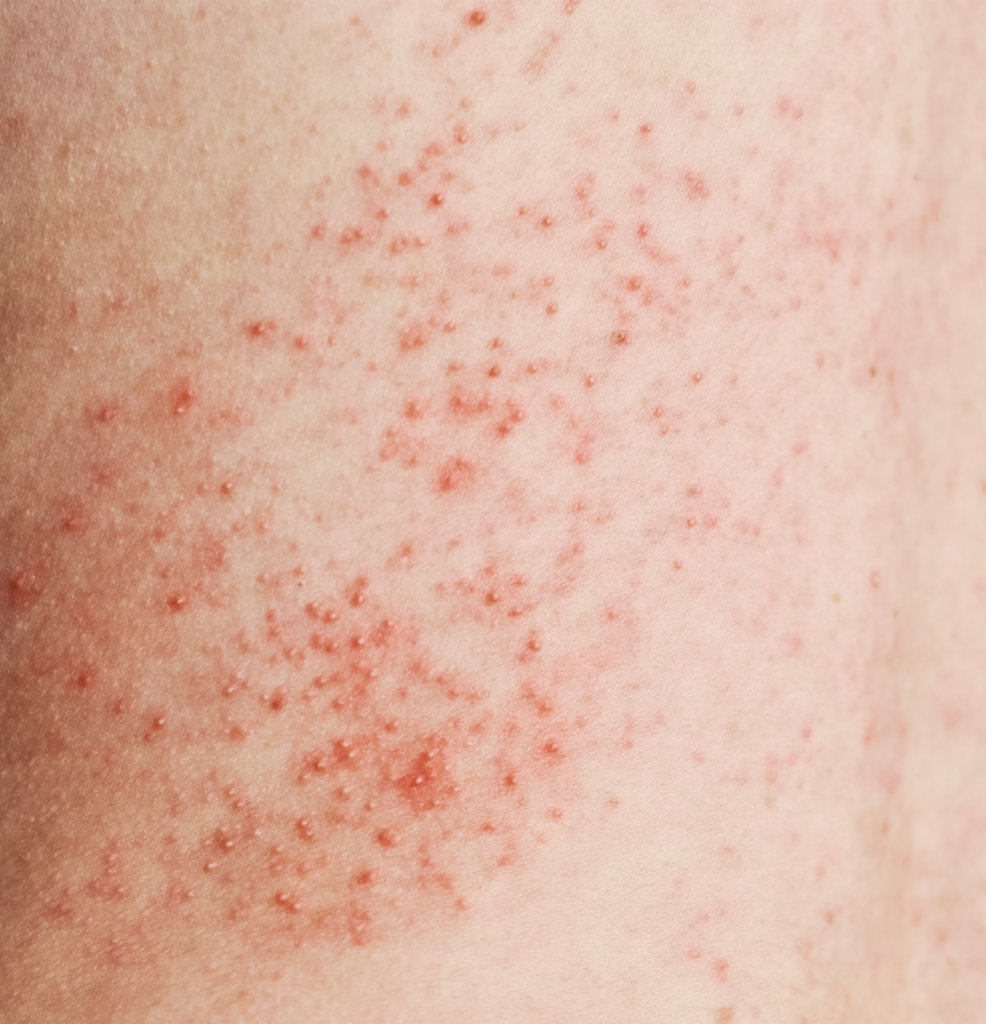
Heat rash occurs when sweat becomes trapped under the skin.
It typically appears as:
- Small red bumps
- Itchy or prickly sensations
This condition is more common in hot, humid environments.
4. Insect Bites
Bug bites can cause localized red spots, often accompanied by itching or swelling.
Common culprits include:
- Mosquitoes
- Fleas
- Bedbugs
In most cases, these reactions are mild and resolve on their own.
5. Skin Conditions (Eczema, Psoriasis)
Chronic skin conditions may also cause persistent red patches.
- Eczema often leads to dry, itchy, inflamed skin
- Psoriasis can cause thick, scaly red patches
These conditions may require long-term management.
6. Petechiae and More Serious Causes
Some red spots—especially tiny, pinpoint ones—may be a condition called petechiae, which can be linked to bleeding under the skin.
Unlike typical rashes, these spots:
- Do not fade when pressed
- May indicate issues with blood vessels or platelets
In rare cases, red spots may be associated with infections or systemic illnesses.
When Should You See a Doctor?
Most red spots are harmless, but medical attention is recommended if you notice:
- Spots that persist or worsen
- Severe itching, pain, or swelling
- Fever or other systemic symptoms
- Spots that do not fade when pressed
- Sudden widespread rash
Early evaluation can help rule out serious conditions and ensure proper treatment.
How to Manage Mild Cases at Home
For less serious causes, simple steps may help relieve symptoms:
- Avoid known irritants or allergens
- Keep the skin clean and moisturized
- Use gentle skincare products
- Apply cold compresses to reduce irritation
However, self-treatment should not replace medical advice if symptoms are unusual or persistent.
The Bottom Line
Red spots on the skin are often harmless, but they can sometimes signal deeper health issues. Paying attention to their appearance, duration, and associated symptoms is key to understanding what your body may be trying to tell you.
When in doubt, it’s always best to consult a healthcare professional.