A 52-Year-Old Woman Died from a Stroke — The Real Risks Middle-Aged People Should Not Ignore
Let’s cut through the fear-based headline first: a single tragic case doesn’t mean everyone is at immediate risk. But it does highlight something important — stroke risk often builds quietly over time, especially in middle age.
Instead of panic, what matters is understanding the real triggers and what actually helps prevent them.
🧠 What Happens During a Stroke?
7
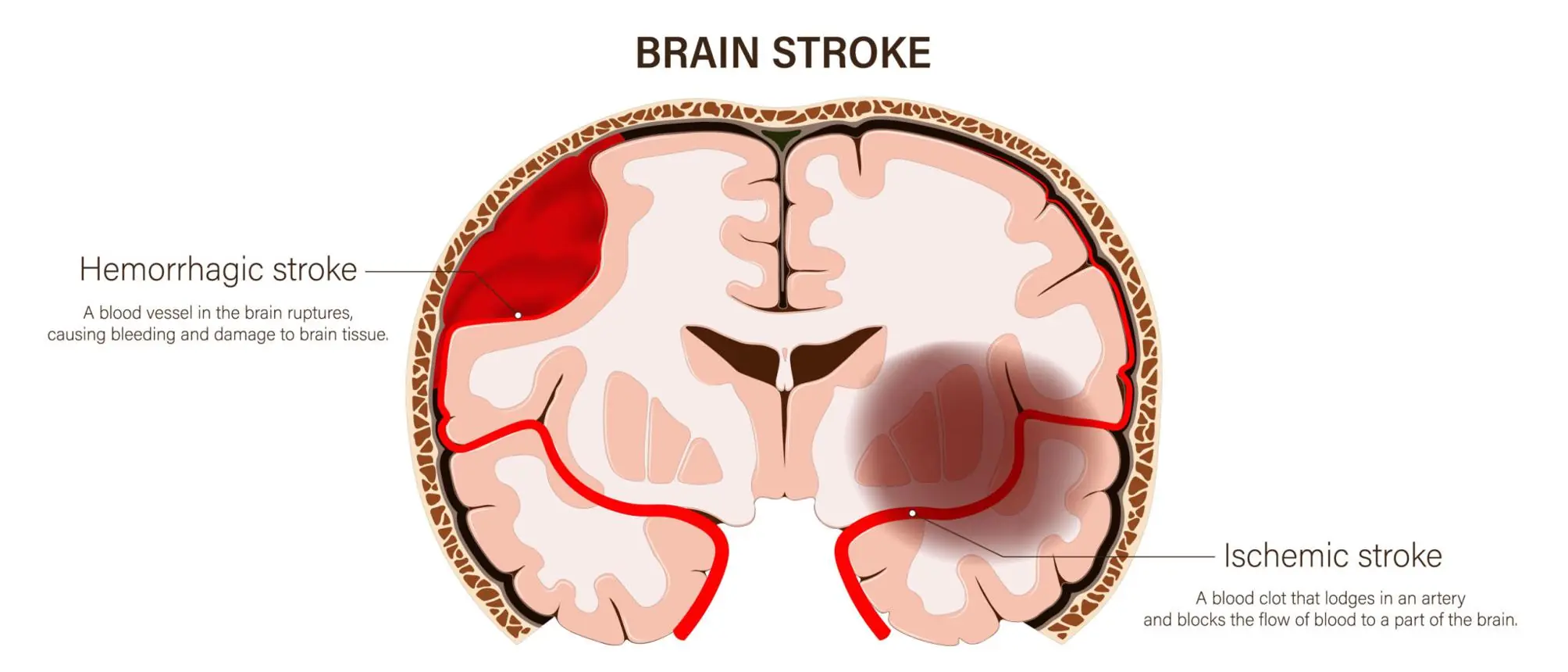
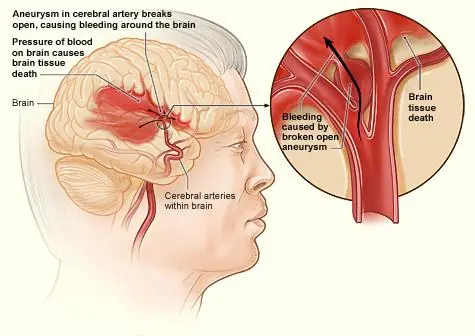
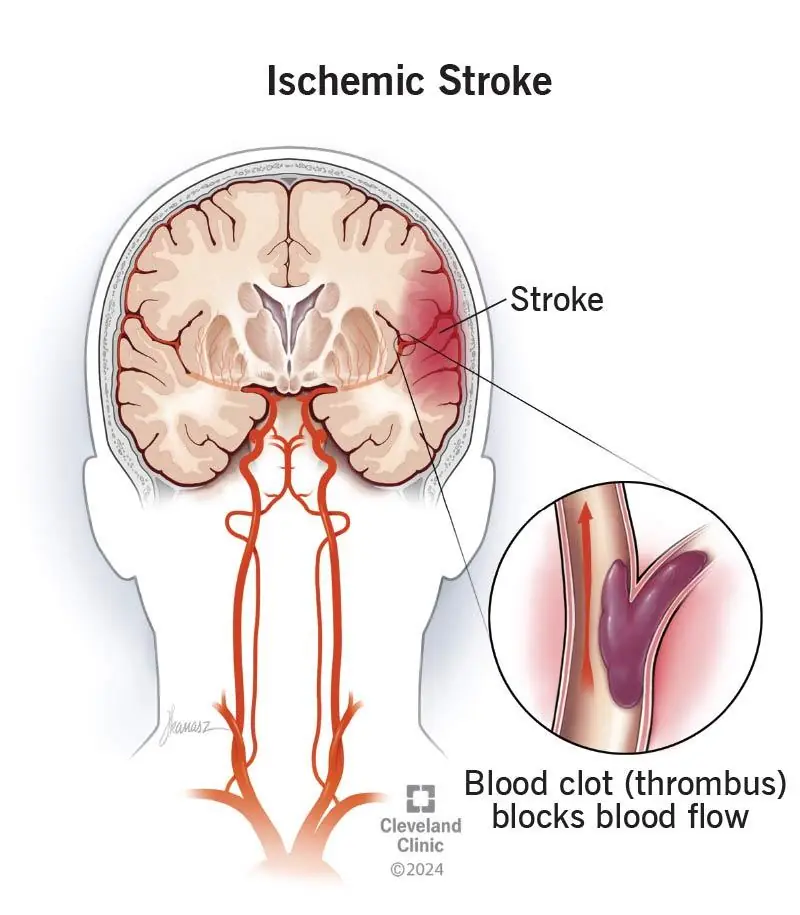
A stroke occurs when blood flow to the brain is disrupted:
- Ischemic stroke: caused by a blood clot (most common)
- Hemorrhagic stroke: caused by a ruptured blood vessel
In both cases, brain cells begin to die within minutes.
⚠️ The 7 Risky Habits You Should Actually Watch
Forget the exaggerated tone — these are the real patterns that increase stroke risk over time.
1. Ignoring High Blood Pressure
This is the #1 risk factor.
👉 Many people feel “fine” but have dangerously high readings.
2. Sedentary Lifestyle



8
Too much sitting slows circulation and increases risk of clots.
3. Uncontrolled Diet (Salt, Fat, Sugar)
High sodium → high blood pressure
High fat → clogged arteries
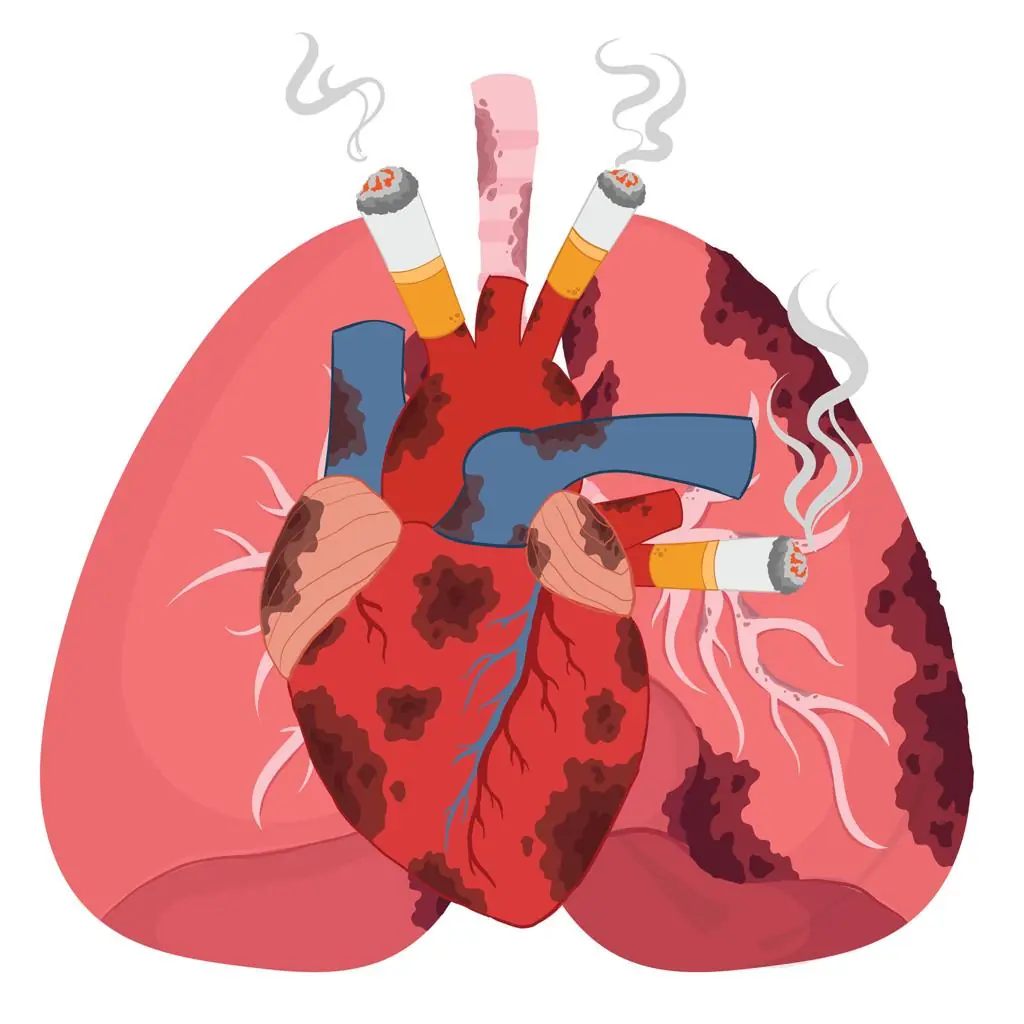
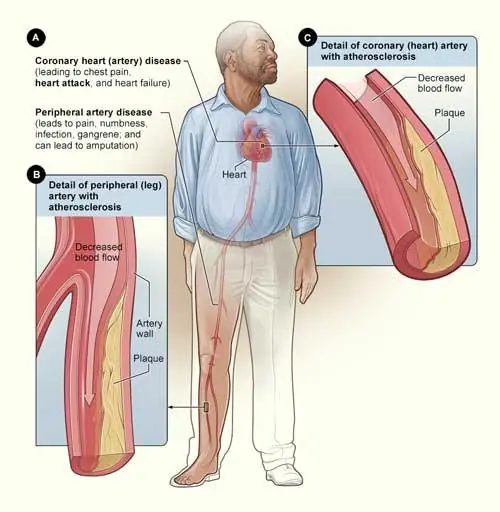
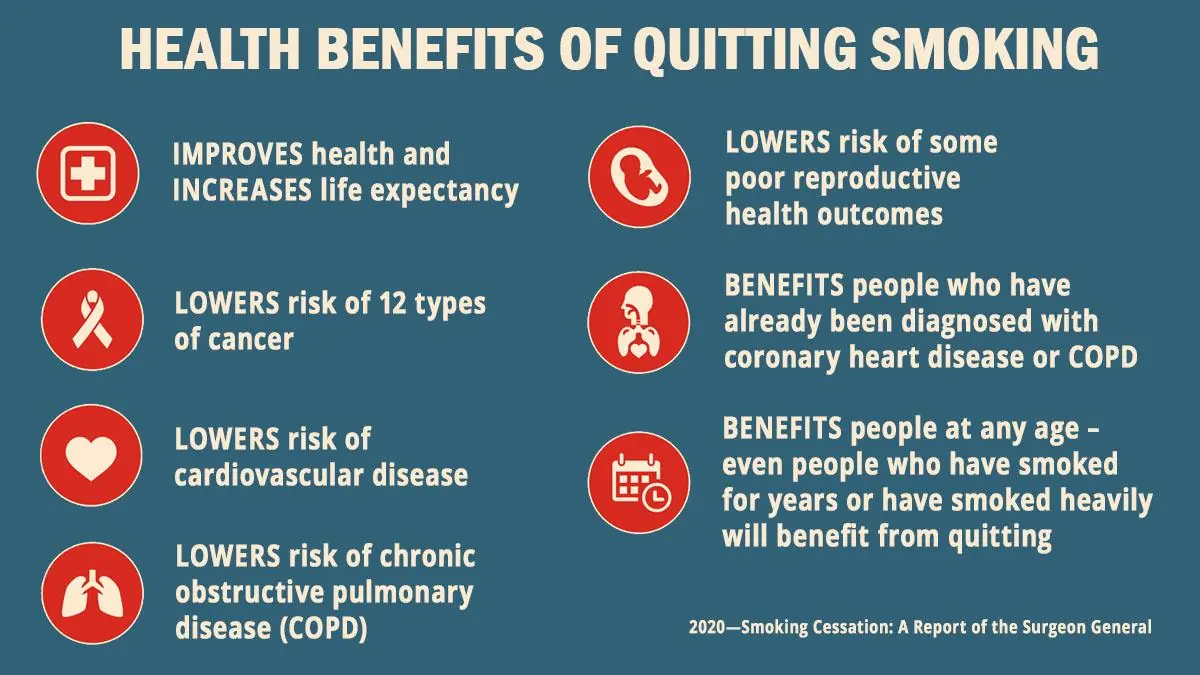
4. Smoking
7
Smoking damages blood vessels and increases clot formation.
5. Poor Sleep & Chronic Stress
Lack of sleep + stress = hormonal imbalance → higher cardiovascular risk.
6. Ignoring Early Warning Signs
Small symptoms often come before major strokes:
- Temporary numbness
- Sudden dizziness
- Brief vision problems
These are often mini-strokes (TIAs).
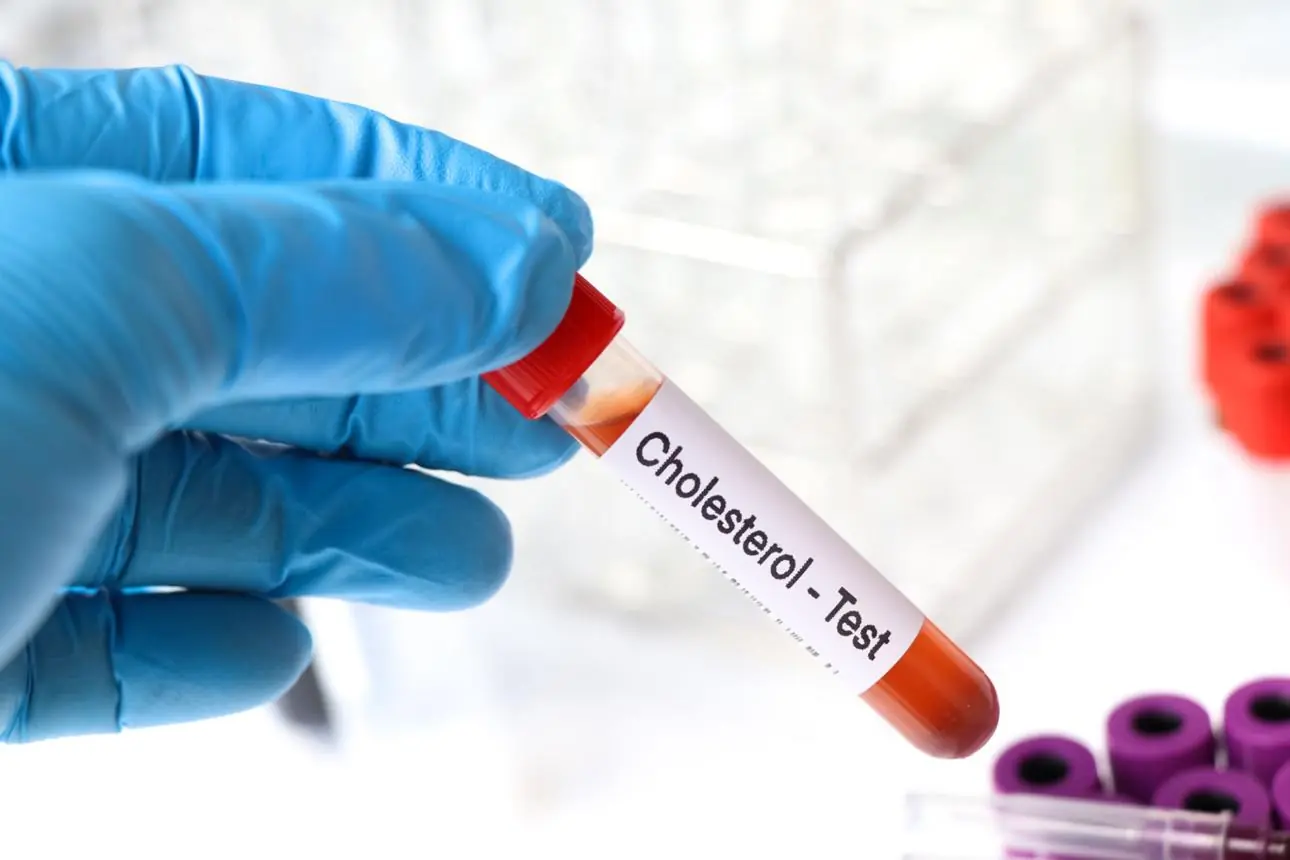
7. Skipping Regular Health Checks


5
Many risk factors are silent — you won’t notice without testing.
❄️ What About Cold Weather?
Cold temperatures can:
- Constrict blood vessels
- Raise blood pressure
- Increase heart strain
👉 That’s why stroke risk can slightly increase in winter — but it’s not the main cause.
🚨 Real Warning Signs of Stroke (Act FAST)
This part matters more than any list:
- Face drooping
- Arm weakness
- Speech difficulty
- Time to call emergency services
Seconds matter. Immediate treatment saves brain function.
💡 What Actually Protects You



6
No extremes. Just consistency:
- Move your body daily
- Eat balanced, reduce excess salt
- Manage blood pressure
- Sleep properly
- Avoid smoking
✨ Final Reality Check
That viral-style warning? A bit dramatic.
But the core message is valid:
Stroke risk isn’t sudden — it’s built over years of habits.
Ignore your health → risk increases
Stay consistent → risk drops significantly
🧘 Bottom Line
Don’t let fear control you.
But don’t ignore your body either.
Awareness + small daily habits = long-term protection.
Understanding Stroke Risk After 40: What Changes Inside Your Body?
As people move into their forties and fifties, the body begins to change in ways that are not always obvious. Energy levels may fluctuate, recovery after physical activity may take longer, and blood pressure or cholesterol levels may gradually increase.
These changes do not mean that a stroke is inevitable. However, they make this stage of life an important time to pay closer attention to cardiovascular health.
Many people assume that strokes only happen to older adults. In reality, strokes can occur at almost any age, including in people in their thirties, forties, and fifties. The risk generally increases with age, but age is only one part of the picture.
Blood pressure, blood sugar, cholesterol, smoking, physical activity, family history, and certain medical conditions all influence a person's overall risk.
The most important lesson is that prevention should begin before symptoms appear.
1. Blood Pressure Can Change Without Warning
High blood pressure is one of the most significant modifiable risk factors for stroke.
The problem is that hypertension often produces no noticeable symptoms. A person may continue working, exercising, eating normally, and feeling perfectly healthy while their blood pressure remains elevated.
Over time, consistently high pressure can damage the walls of blood vessels. It may contribute to the development of atherosclerosis, weaken small arteries in the brain, and increase the likelihood of both ischemic and hemorrhagic strokes.
This is why relying on how you feel is not enough.
A blood pressure measurement provides information that your body may not otherwise communicate.
For adults, regular monitoring is particularly important if they have a family history of hypertension, diabetes, kidney disease, or cardiovascular problems.
If you measure your blood pressure at home, try to do so under consistent conditions:
-
Sit quietly for about five minutes before measuring.
-
Keep your back supported and your feet flat on the floor.
-
Rest your arm at approximately heart level.
-
Avoid smoking, caffeine, and exercise for about 30 minutes beforehand.
-
Take two readings about one minute apart.
A single elevated reading does not automatically mean that you have hypertension. Blood pressure can temporarily rise because of stress, pain, physical activity, or other factors.
However, repeatedly elevated readings should be discussed with a healthcare professional.
Do not stop or change prescribed blood pressure medication simply because you feel better or obtain one normal reading.
2. Cholesterol and the Health of Your Arteries
Cholesterol is often misunderstood.
Your body needs cholesterol to produce hormones, build cell membranes, and perform other essential functions. The concern is not cholesterol itself, but an unhealthy balance of blood lipids and the accumulation of plaque inside arteries.
Low-density lipoprotein cholesterol, commonly called LDL, can contribute to plaque formation in blood vessels.
Over many years, plaque may narrow arteries and make them less flexible. If a plaque becomes unstable and triggers a blood clot, blood flow can suddenly become blocked.
If this happens in an artery supplying the brain, an ischemic stroke may occur.
High cholesterol usually does not cause symptoms that you can feel. A person may have elevated LDL levels for years without knowing it.
That is why a blood test can be important.
A lipid profile generally measures:
-
Total cholesterol
-
LDL cholesterol
-
HDL cholesterol
-
Triglycerides
The results should be interpreted alongside other risk factors, including age, blood pressure, diabetes, smoking history, and previous cardiovascular disease.
Not everyone needs the same cholesterol target. People with established cardiovascular disease or certain high-risk conditions may require more intensive treatment.
For some individuals, lifestyle changes are sufficient to improve cholesterol levels. Others may benefit from medication, such as statins, after discussing the potential benefits and risks with their healthcare provider.
The goal is not simply to achieve a perfect number on a laboratory report. It is to reduce the likelihood of damage to the heart and blood vessels over time.
3. Diabetes and Blood Sugar: A Risk Factor That Deserves Attention
Diabetes affects more than the body's ability to regulate blood sugar.
Persistently elevated glucose can damage blood vessels and contribute to inflammation, atherosclerosis, and changes in circulation.