“Remove This From Your Room Immediately… Lung Cancer?” — Let’s Clear This Up
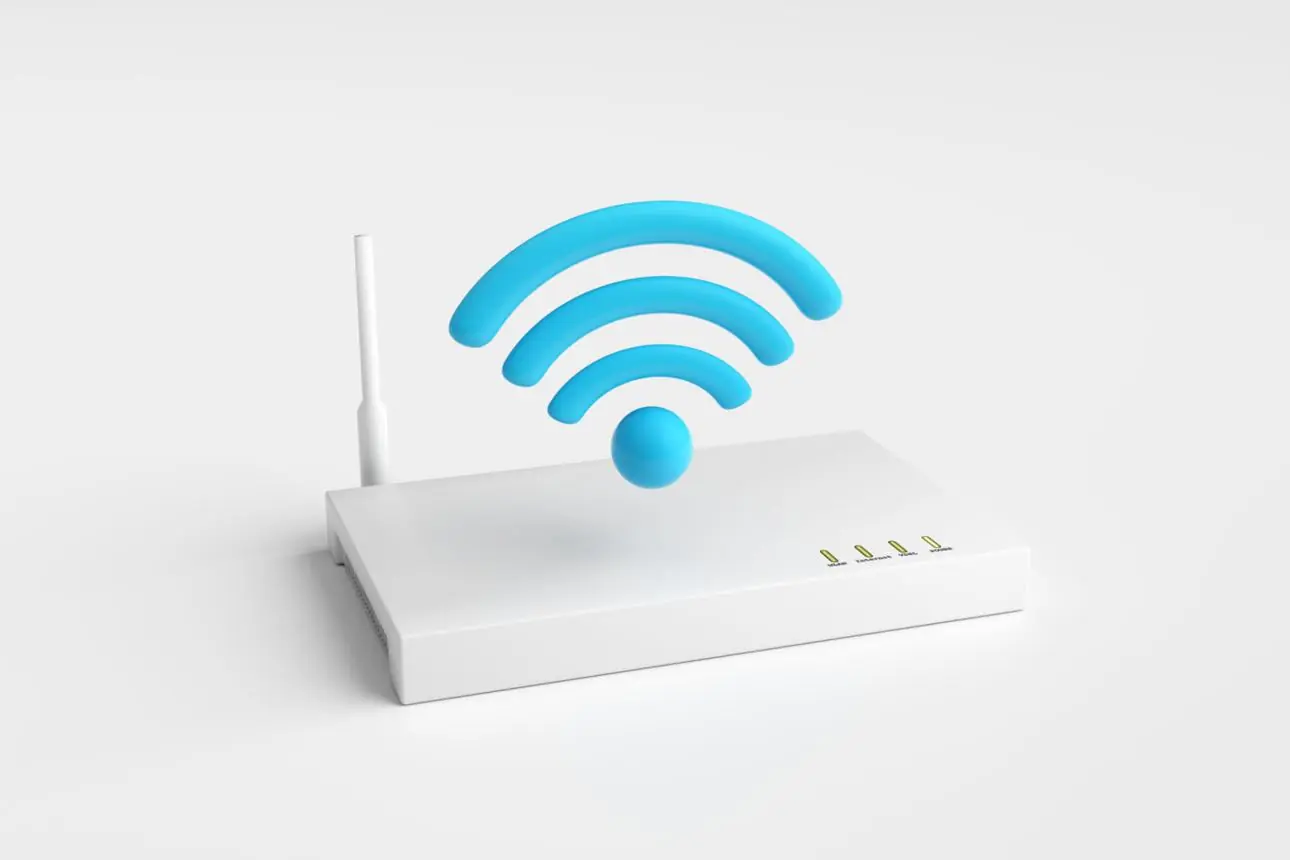
That image is pointing at a Wi-Fi router and trying to link it directly to lung cancer. Short answer: that claim is misleading.
Routers don’t emit the kind of radiation that damages DNA or directly causes cancer. But—there are some legit things about your bedroom environment that can affect sleep and long-term health. Let’s separate facts from clickbait.
📡 What a Wi-Fi Router Actually Emits

6
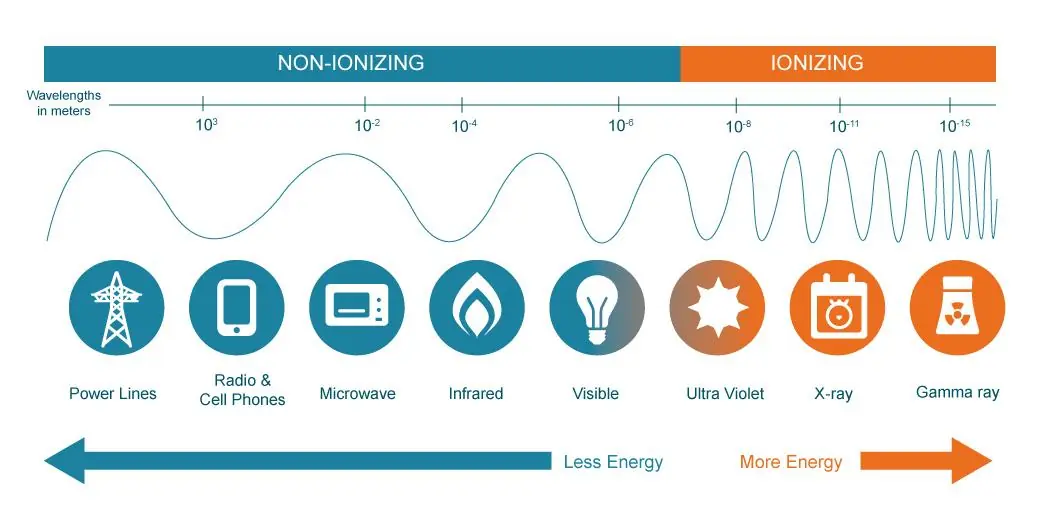
Wi-Fi uses non-ionizing radiation (radiofrequency waves). That means:
- It does NOT have enough energy to damage DNA
- It’s very different from ionizing radiation (like X-rays), which can cause cancer
Major health organizations (WHO, FDA) say:
👉 There’s no consistent evidence that Wi-Fi causes cancer
So no, your router isn’t secretly “giving you lung cancer.”
⚠️ But Should You Keep It Next to Your Bed?
Even if it’s not causing cancer, putting a router right next to your head all night isn’t ideal either.
Why?
- It may disrupt sleep quality (light, signals, habit of checking phone)
- It keeps you mentally “connected” → harder to relax
- Some people are more sensitive to environmental factors
👉 So the issue is more about sleep hygiene, not cancer risk.
🛏️ What Actually Affects Your Bedroom Health



9
If you’re serious about health, these matter way more:
1. Air Quality
- Dust, mold, poor ventilation → real lung irritants
2. Light Exposure
- Blue light from screens messes with melatonin
3. Noise & Temperature
- Even small disruptions affect deep sleep
4. Phone Addiction Before Sleep
- This is the real “sleep killer,” not the router itself
🚨 So What Should You Do?
No need to panic or throw your router out.
Just optimize:
- Don’t place it right next to your pillow
- Keep some distance (1–2 meters is fine)
- Turn off Wi-Fi at night if you want deeper sleep
- Focus more on reducing screen time before bed
✨ Real Talk
That viral claim?
👉 Fear-based, oversimplified, and not backed by strong evidence
But the underlying idea—improving your sleep environment—is actually valid.
🧘 Final Take
Your Wi-Fi router isn’t the villain.
But your habits around sleep?
That’s where the real impact is.
Fix your environment. Fix your routine. That’s what actually protects your health long-term.
“Remove This From Your Bedroom Immediately… Lung Cancer?” The Truth About Wi-Fi Routers and Your Health
Why a Viral Health Warning Deserves a Closer Look
Imagine scrolling through social media late at night and seeing a frightening warning:
“Remove this device from your bedroom immediately. It could be causing lung cancer while you sleep!”
The image shows an ordinary Wi-Fi router sitting on a bedside table. The caption suggests that invisible radiation is silently damaging your lungs every night.
For many people, the message is alarming. After all, Wi-Fi routers are common in homes, bedrooms, offices, and apartments. They often remain switched on around the clock, even when everyone is asleep.
But before unplugging your router or worrying about your bedroom, it is important to separate scientific evidence from fear-based health claims.
The current scientific evidence does not establish that ordinary Wi-Fi router exposure causes lung cancer.
Wi-Fi routers emit radiofrequency electromagnetic waves, a form of non-ionizing radiation. This is fundamentally different from ionizing radiation, such as X-rays, which has enough energy to damage DNA directly.
That distinction matters.
However, understanding Wi-Fi safety requires more than simply saying that one type of radiation is harmless and another is dangerous. Exposure levels, frequency, duration, and the quality of scientific evidence all play important roles.
And while a router is unlikely to be the hidden cancer threat suggested by viral posts, there are genuine environmental factors in your bedroom that deserve attention.
Air pollution, tobacco smoke, mold, poor ventilation, excessive light, noise, and unhealthy sleep habits can affect your health in meaningful ways.
The goal is not to create unnecessary fear about modern technology.
The goal is to understand what the evidence actually says—and to focus your attention on the changes that can make a real difference.
1. What Does a Wi-Fi Router Actually Emit?
A Wi-Fi router sends and receives information using radiofrequency electromagnetic waves.
These waves allow devices such as smartphones, laptops, tablets, and smart televisions to communicate wirelessly.
Most Wi-Fi networks operate in frequency bands around 2.4 GHz, 5 GHz, or, with newer systems, 6 GHz.
These frequencies belong to the radiofrequency portion of the electromagnetic spectrum.
Radiofrequency radiation is commonly used in everyday technologies, including:
-
Wi-Fi routers
-
Mobile phones
-
Bluetooth devices
-
Radio and television broadcasting
-
Wireless headphones
-
Cellular communication networks
The word “radiation” can sound frightening because people often associate it with nuclear accidents, radioactive materials, or cancer treatment.
But radiation is a broad scientific term.
Visible light is radiation. Radio waves are radiation. Infrared energy is radiation.
The important question is not simply whether a device emits radiation.
It is what type of radiation it emits, how much energy it carries, and how much exposure a person receives.
A Wi-Fi router does not produce the same type of radiation as an X-ray machine.
Understanding that difference is the first step toward evaluating the viral cancer claim.
2. Non-Ionizing Radiation Versus Ionizing Radiation
One of the most important distinctions in radiation science is the difference between ionizing and non-ionizing radiation.
Ionizing Radiation
Ionizing radiation carries enough energy to remove electrons from atoms or molecules.
Examples include:
-
X-rays
-
Gamma rays
-
Certain forms of high-energy ultraviolet radiation
At sufficient exposure levels, ionizing radiation can damage DNA and increase the risk of cancer.
This is why medical imaging procedures involving X-rays are carefully managed.
The risk depends on factors such as the type of procedure, radiation dose, and frequency of exposure.
Non-Ionizing Radiation
Non-ionizing radiation does not have enough energy per photon to directly ionize atoms or break chemical bonds in DNA in the same way.
Examples include:
-
Radio waves
-
Wi-Fi signals
-
Bluetooth signals
-
Visible light
-
Infrared radiation