
What Happens If You Start Loving Through the Little Things? The Secret to Stronger Relationships
Why Everyday Moments Matter More in Love
Tips 01/05/2026 21:51

Dirty pillows are one of the biggest hidden sources of bad odors and allergens in your bedroom. Night after night, pillows collect sweat, body oils, saliva, dead skin cells, dust, and even bacteria. Over time, this buildup can lead to musty smells, yellow stains, and a less comfortable sleep environment. Experts recommend cleaning pillows regularly to keep them fresh and extend their life.
Even if your pillowcases are washed often, the pillow itself can still trap odors and debris behind the fabric. Sweat and oils from your skin can seep through the cover and accumulate deep inside the filling. This not only causes unpleasant smells but also creates a breeding ground for dust mites and bacteria, which can trigger allergies and impact sleep quality.
Before you start, check the pillow’s care label to see whether it is machine washable. Most down, feather, and synthetic pillows can go in a washing machine, but memory foam or latex pillows typically need to be hand-cleaned or spot-treated. Always follow the manufacturer’s instructions to avoid damage.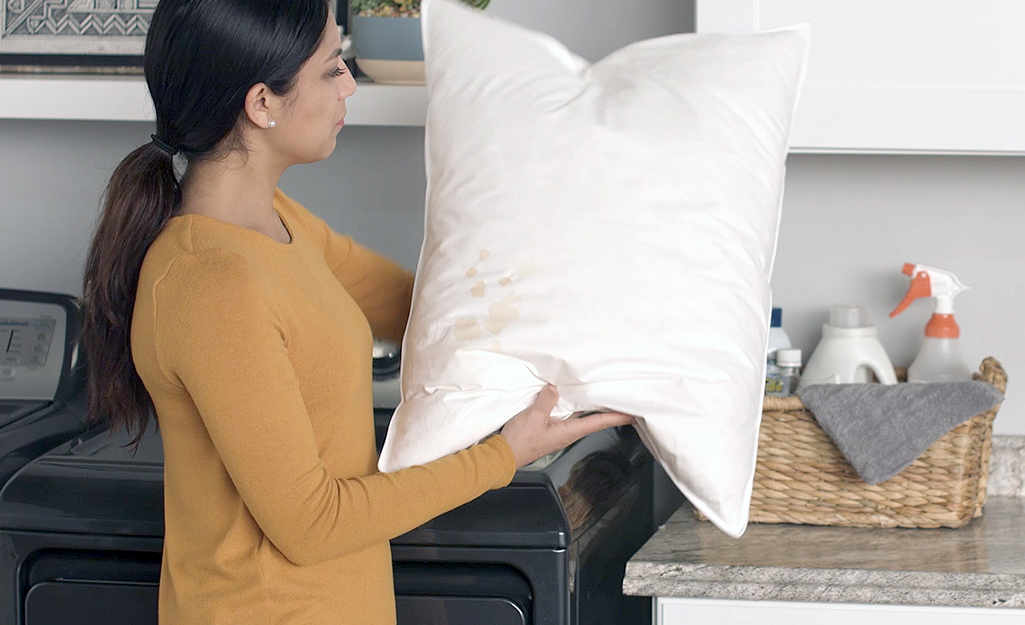
If your pillows are machine washable:
Wash two pillows at a time to balance the load.
Use a mild laundry detergent and select a warm or hot water cycle if allowed.
Adding a cup of white vinegar can help neutralize odors and break down buildup.
Use an extra rinse cycle to remove all detergent residue so pillows don’t trap smells again.
For pillows that can’t be machine washed, spot clean any stains with a mild detergent and water mixture. Gently blot the area rather than saturating the pillow. You can also sprinkle baking soda over the pillow surface and vacuum it to absorb odors and refresh the filling.
Thorough drying is crucial. Pillows that stay damp can develop mildew or a musty smell. For machine-washable pillows, tumble dry on low heat. Adding clean tennis balls or dryer balls to the dryer helps fluff the pillows and prevent clumping. For pillows that must be air-dried, place them in direct sunlight if possible; UV rays help eliminate odor-causing bacteria.
Deodorize regularly. Between washes, sprinkle baking soda over pillows, let sit for an hour, then vacuum it up to reduce odors.
Air them out. Fresh air and sunlight can naturally disinfect and refresh old pillows.
Use pillow protectors. A protective cover beneath your pillowcase catches sweat and oils, making deep cleaning less frequent.
Wash pillowcases often. Clean pillowcases protect the pillow itself and improve overall freshness.

Even with good cleaning habits, pillows don’t last forever. Experts recommend replacing them every one to two years or sooner if they lose support, become lumpy, or emit persistent odors. A well-maintained pillow is healthier and contributes to better sleep.
Why Everyday Moments Matter More in Love

You’ve been using your volume buttons wrong this whole time






Adding a bit of lime to your rice cooker? This simple trick may surprise you
Your foot shape might reveal secrets about your personality
I thought it was nothing… until I looked closer

A Simple Natural Ingredient That May Support Better Sleep and Digestion
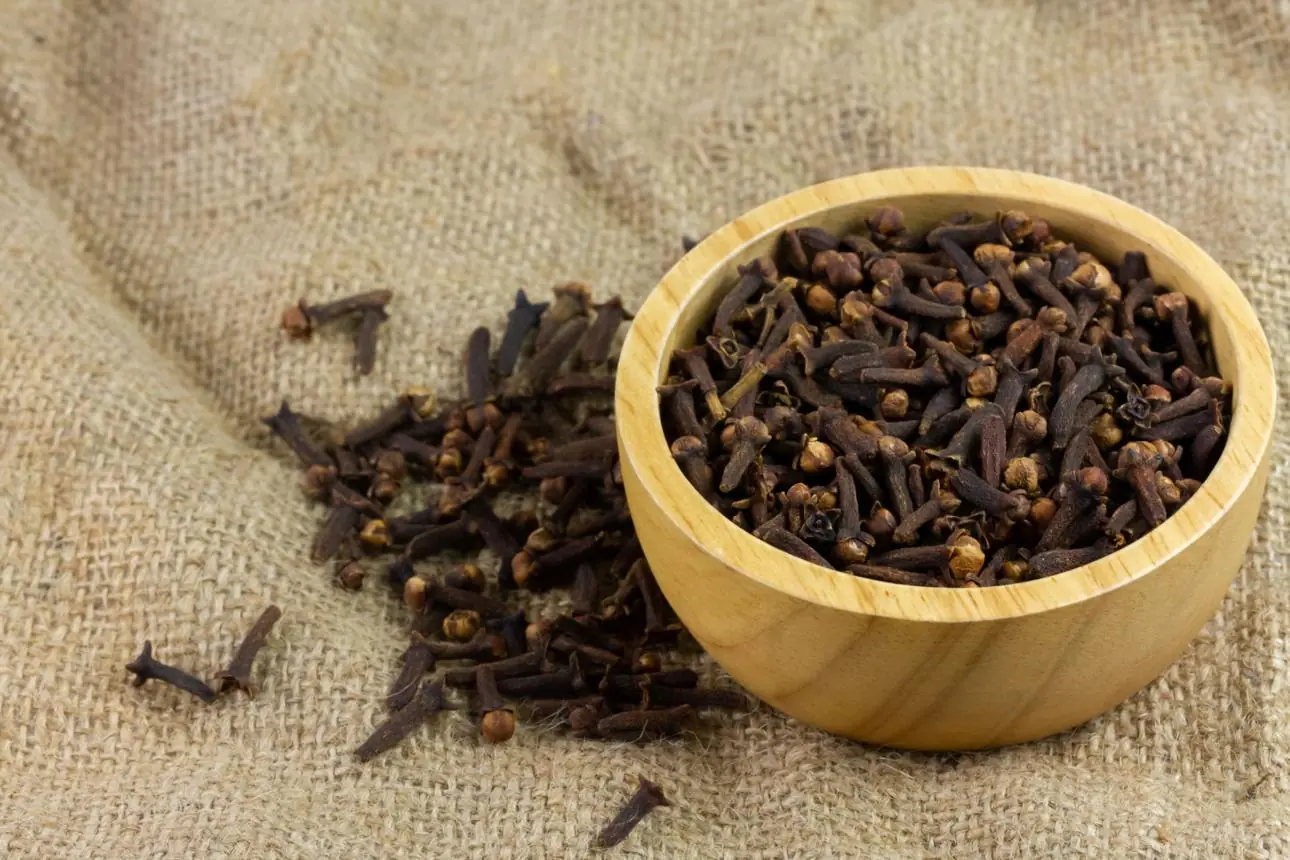
A simple clove habit may offer surprising daily health benefits.

Not Just for Looks: The Truth About Hotel Bed Benches
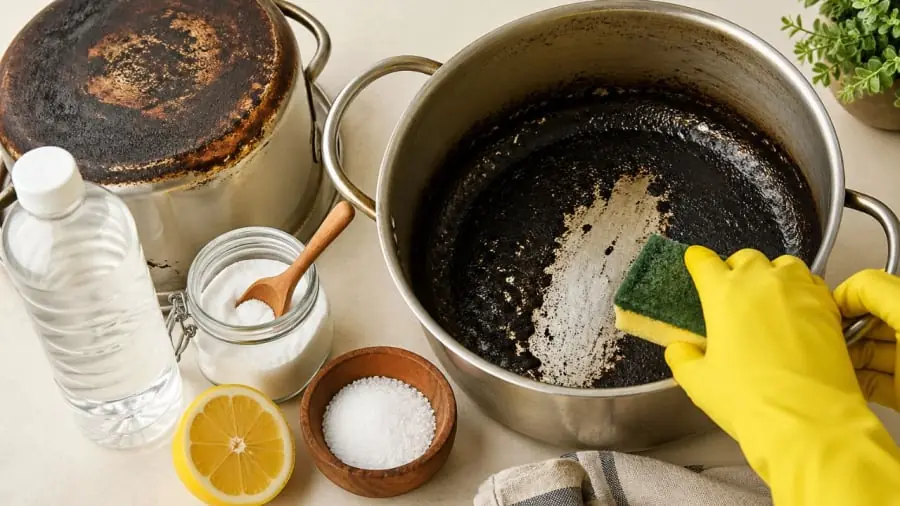
6 Simple Tricks to Remove Burnt Stains in Minutes
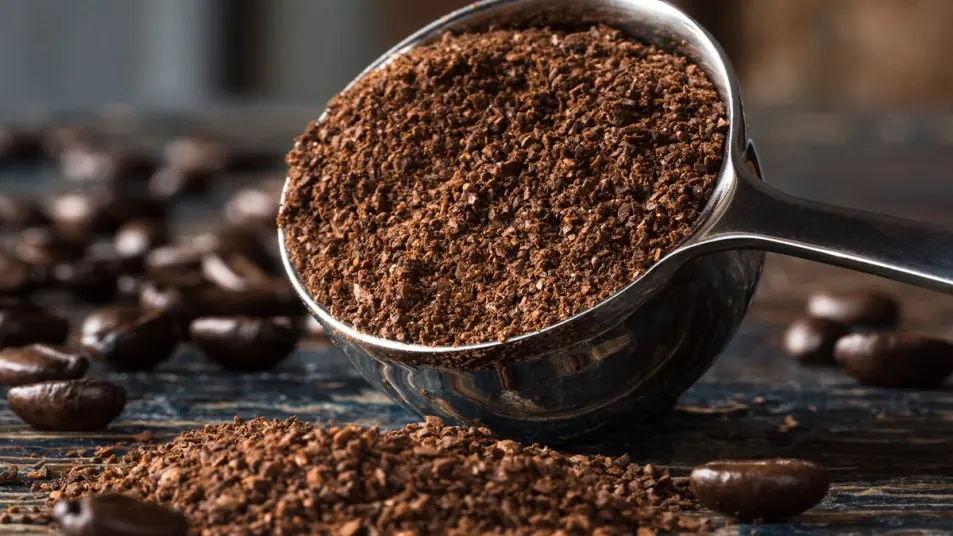
Think twice before throwing them away - coffee grounds have many uses



6 plants that may attract snakes and 3 natural options to repel them

These changes in your skin may point to a serious condition

Before eating sweet potatoes, here are 10 important things you should know
Frequent gas—more than 25 times a day—especially when paired with other symptoms, may signal an underlying health issue 😲

Support your liver: Add these 4 veggies and 2 fruits to your daily diet!

Early stroke warning signs can appear weeks before a serious event.

These common greens may support health more than you expect.

What Happens If You Try These Bedtime Tricks for Leg Cramps?
Why Everyday Moments Matter More in Love
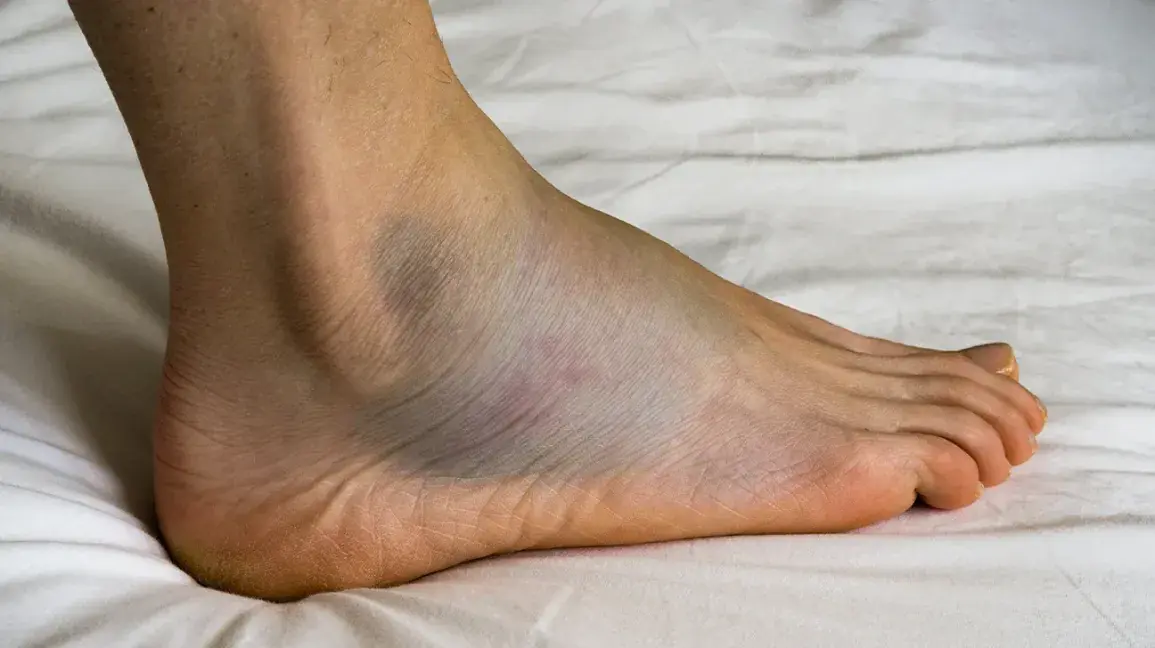
Why Swollen Feet Are More Dangerous Than You Think

What Happens If You Add Chicken Gizzards to Your Diet?

They Grow in Your Garden—But Most People Don’t Know Their Benefits

A common habit raises questions about hygiene and health risks.

Why Your Throat Keeps Producing Mucus—and What You Can Do About It

Banana Blossom Benefits: The Natural Superfood That Can Re-energize You 😲

Ginger Isn’t for Everyone—Avoid It If You Have These 5 Conditions

Warning: Sleeping on your right side may have unexpected effects 👀👇

Big News for People Who Can’t Resist a Daytime Nap
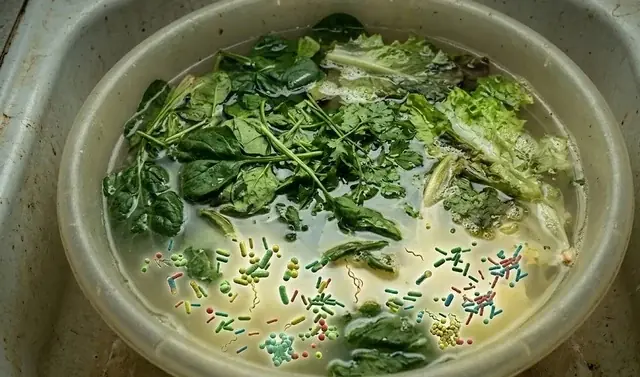
8 Vegetables You Should Always Wash Carefully to Avoid Hidden Parasites

Lymphoma survivors reveal six warning signs they had before being diagnosed 😨

5 Important Warning Signs of Colorectal Cancer You Should Know