Rice is one of the most widely consumed staple foods in the world. Whether you buy it in small bags or stock up in bulk, proper storage is essential for keeping rice fresh, flavorful, and safe to eat. Unfortunately, many households discover too late that their rice has become infested with weevils, developed mold, or spoiled due to improper storage conditions.
The good news is that preventing these problems is often easier than people think. By understanding what causes rice to deteriorate and following a few simple storage practices, you can keep rice in excellent condition for months or even years.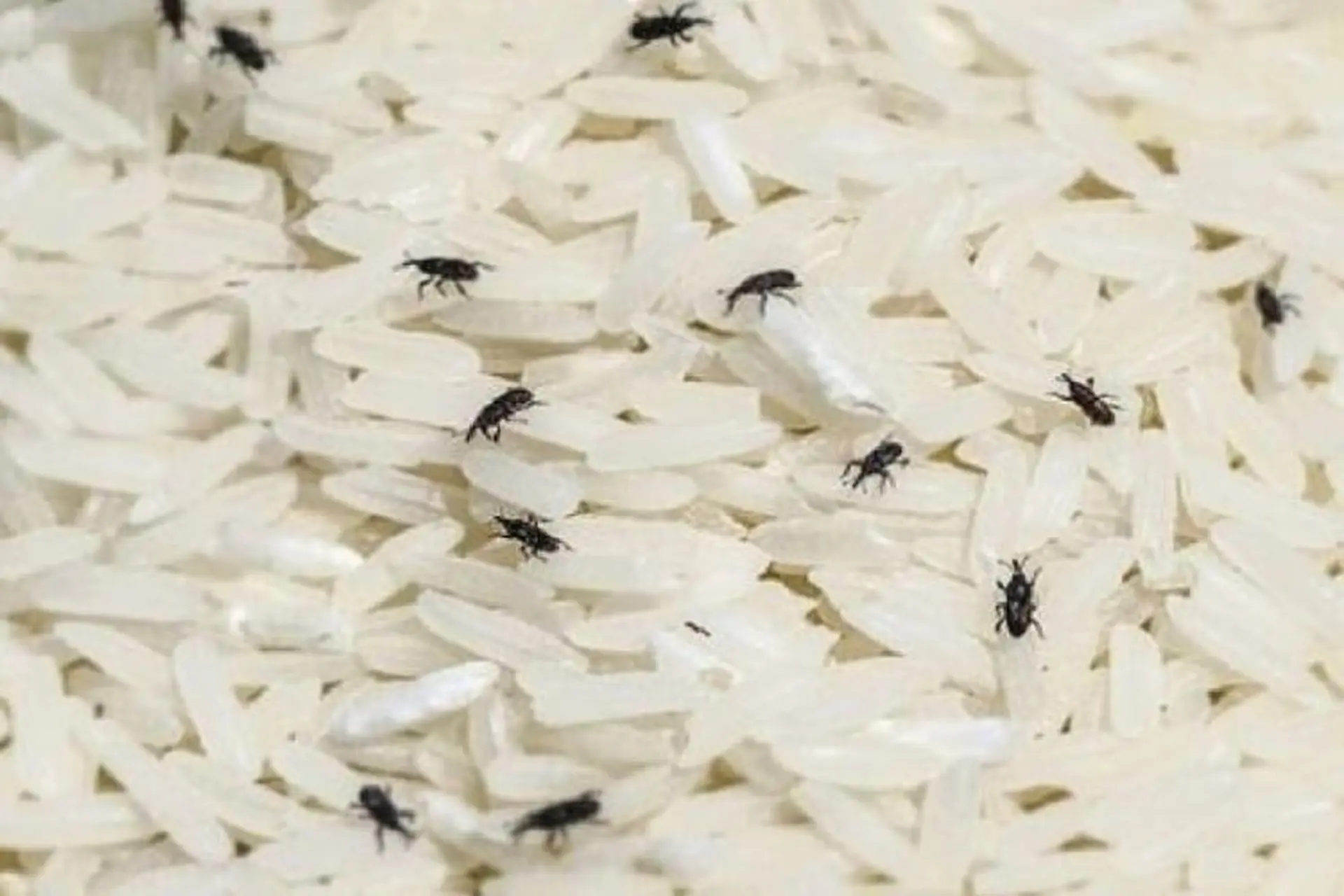
Why Rice Storage Matters
Although rice appears dry and durable, it is still vulnerable to several common threats.
These include:
- Moisture
- Insects
- Heat
- Humidity
- Air exposure
- Contamination
When rice is stored improperly, its quality can decline rapidly.
Problems may include:
- Weevil infestations
- Mold growth
- Off odors
- Loss of flavor
- Reduced shelf life
Proper storage protects both the quality and safety of your food supply.
Understanding Rice Weevils
Rice weevils are among the most common pests found in stored grains.
These tiny insects can:
- Infest rice
- Lay eggs inside kernels
- Multiply quickly
- Spread to other dry foods
Many people assume insects enter rice after purchase.
However, eggs are sometimes already present in packaged rice and may hatch later under favorable conditions.
Signs of a Rice Weevil Infestation
Common indicators include:
- Small dark insects in rice
- Tiny holes in rice grains
- Powdery residue
- Crawling bugs inside containers
The earlier an infestation is detected, the easier it is to manage.
Why Mold Develops in Rice
Mold requires moisture to grow.
Although dry rice naturally contains very little water, exposure to humid conditions can increase moisture levels.
Potential causes include:
- Humid environments
- Poorly sealed containers
- Water leaks
- Condensation
- Storing rice near heat sources