Vaccines are an important part of this discussion because misinformation surrounding vaccines and autism has persisted for decades.
Large, high-quality studies have found no credible evidence that routine childhood vaccines cause autism.
The original research that helped popularize the vaccine-autism claim was deeply flawed and was subsequently discredited.
Modern autism research instead focuses on genetics, neurodevelopment, brain biology, and multiple interacting factors.
Parents should therefore not avoid recommended vaccines because of concerns about autism.
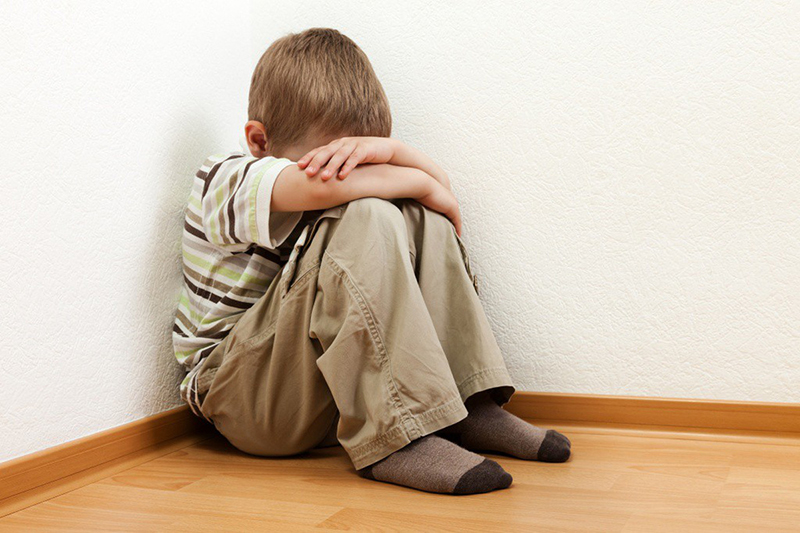
Parenting Does Not Cause Autism
Another outdated idea is that autism results from poor parenting or insufficient affection.
There is no scientific basis for this explanation.
Parents do not cause autism by being:
- Too strict
- Too affectionate
- Too distant
- Too permissive
- Insufficiently attentive
Autism is a neurodevelopmental condition with substantial biological and genetic contributions.
Parents should not be blamed for their child's autism.
Autism Should Not Be Reduced to a Deficit
Scientific research should also avoid describing autistic people only in terms of what they cannot do.
Autism can involve significant challenges, and some people require extensive lifelong support.
At the same time, autistic people may have individual strengths and characteristics such as:
- Deep interests
- Strong attention to detail
- Distinctive problem-solving approaches
- Particular areas of expertise
- Unique sensory or perceptual experiences
The goal of research is therefore increasingly focused on understanding autism, improving health and quality of life, and providing appropriate support.
Why Understanding Autism Biology Matters
Studying the biology of autism isn't merely an academic exercise.
Better understanding could eventually help researchers:
- Improve diagnostic approaches
- Identify developmental pathways
- Recognize associated medical conditions
- Develop targeted interventions
- Understand differences between autistic people
- Improve individualized support
For example, if a particular biological pathway is found to be important in a specific subgroup, researchers could investigate whether interventions targeting that pathway might be useful.
But translating a biological discovery into a safe and effective treatment can take many years.
The Future May Focus on Individual Pathways
Rather than asking only:
“What causes autism?”
scientists may increasingly ask:
“Which biological pathways contribute to autism in different people?”
That change in perspective could be important.
One person may have an autism-associated genetic variant affecting one developmental pathway.
Another person may have a different combination of genetic and biological factors.
Both may ultimately meet diagnostic criteria for autism, while their underlying biology differs.
Understanding those differences could eventually support more personalized approaches to healthcare.
What Parents Should Watch For
Parents may sometimes notice developmental differences before a child receives a formal assessment.
Possible characteristics can include:
- Differences in social communication
- Delayed or unusual language development
- Reduced response to their name
- Repetitive movements
- Strong preferences for routines
- Unusual sensory responses
- Difficulty with certain forms of social interaction
- Highly focused interests
None of these characteristics automatically means a child is autistic.
Children develop differently, and similar behaviors can occur for many reasons.
If parents have concerns about development, discussing them with a pediatrician or qualified developmental professional is appropriate.
Early Support Can Be Valuable
When autism is identified, support can be tailored to the individual's needs.
Depending on the person, support may involve:
- Speech and language therapy
- Occupational therapy
- Educational accommodations
- Communication support
- Social-communication interventions
- Assistive technology
The goal should not simply be to make an autistic person appear “less autistic.”
Instead, support can focus on communication, learning, independence, participation, comfort, and quality of life.