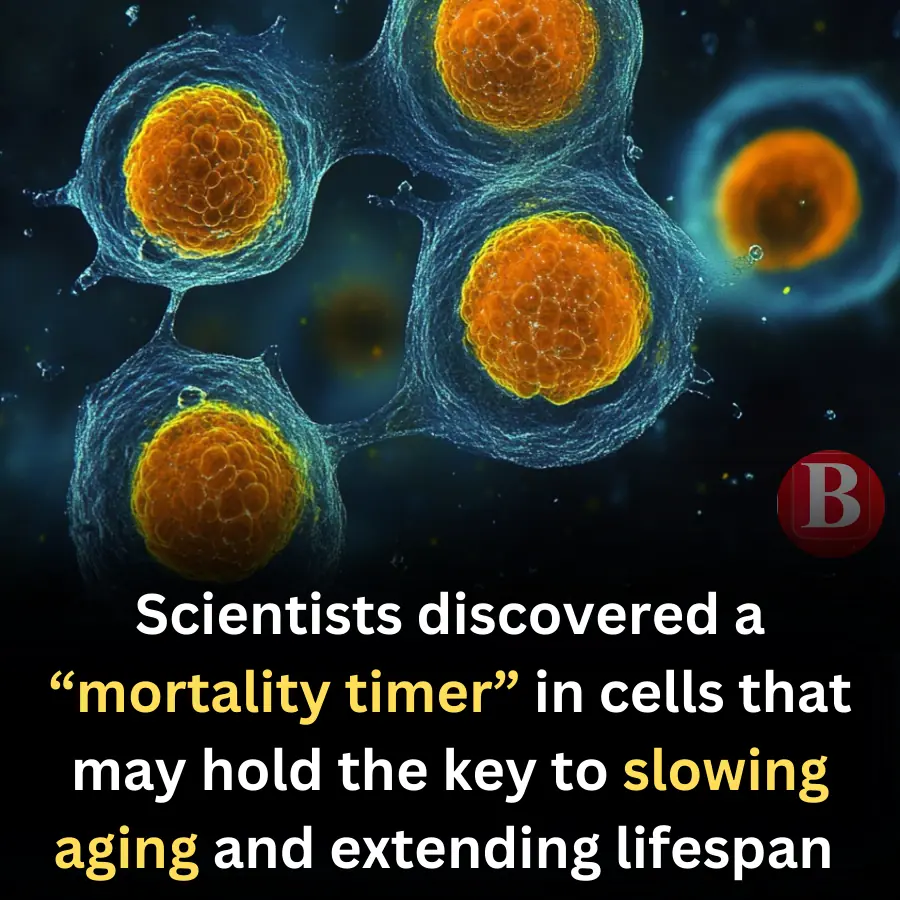
Scientists have recently discovered a "mortality timer" in cells that could hold the key to slowing aging and extending lifespan. This discovery revolves around a mechanism in cells that essentially tracks the biological age of the organism and can trigger cellular aging or death once certain thresholds are reached.
Here are some key points from this discovery:
-
The Mortality Timer Mechanism: This timer is linked to the telomeres, the protective caps at the ends of chromosomes. Over time, as cells divide, the telomeres shorten. When they become too short, it triggers a signaling pathway that tells the cell to stop dividing, enter a state of senescence, or even die. This process is considered a major factor in aging and the development of age-related diseases.
-
Potential for Extending Lifespan: By understanding the "mortality timer," scientists may be able to find ways to slow down or reverse the shortening of telomeres or manipulate the biological pathways that trigger aging. This could lead to therapies that help delay aging, prevent age-related diseases, and potentially extend lifespan.
-
Senescence and Aging: Senescence is when cells stop dividing and lose their ability to function properly. While this is a protective mechanism to prevent damaged cells from turning cancerous, the accumulation of senescent cells over time contributes to aging and declines in tissue function. Finding ways to clear these senescent cells or rejuvenate them could significantly impact the aging process.
-
Telomerase and Genetic Modifications: Researchers are exploring the possibility of activating telomerase, an enzyme that can rebuild telomeres, to extend cell lifespan. However, this could also present risks, such as promoting uncontrolled cell growth, which is characteristic of cancer. Balancing this process is crucial for any therapeutic interventions.
-
Implications for Medicine: If scientists can control this "mortality timer," it may not only impact aging but also have implications for the treatment of chronic diseases like cancer, heart disease, and neurodegenerative conditions. Slowing the aging process could help delay the onset of these diseases and improve overall quality of life as we age.
This discovery is a major step forward in aging research, and while there are still many questions to answer, it holds promise for extending healthy lifespans and reducing the impact of age-related diseases.