Here are several common misconceptions.
Myth 1: Sebaceous cysts always result from poor hygiene.
Not true. Epidermoid cysts form when skin cells become trapped beneath the surface and keratin accumulates. Poor hygiene is not a necessary cause.
Myth 2: Squeezing the cyst removes it permanently.
Squeezing may release some contents, but the cyst wall can remain and allow the lump to return. Pressure can also cause inflammation and infection.
Myth 3: Every red cyst needs antibiotics.
Not necessarily. Inflammation can occur without bacterial infection. A healthcare professional can determine whether antibiotics, drainage, or another approach is appropriate.
Myth 4: Natural remedies can dissolve the cyst.
There is no reliable evidence that common household remedies remove an established epidermoid cyst and its wall. Some may damage the surrounding skin.
Myth 5: A painless lump is always harmless.
Many epidermoid cysts are painless and benign, but not every lump is a cyst. A new, growing, or unusual lump should be evaluated when appropriate.
Myth 6: Once a cyst drains, the problem is over.
Drainage may reduce swelling, but the cyst wall can remain. The lump may refill or become inflamed again.
Understanding these distinctions can help you avoid unnecessary risks and make more informed decisions about treatment.
12. Practical Home Care: A Simple Routine
If a healthcare professional has identified your lump as an uncomplicated epidermoid cyst, a simple routine may help you manage it comfortably.
Morning
Wash the surrounding skin gently with lukewarm water and a mild cleanser. Avoid rubbing the cyst or applying harsh products directly to it.
Check for meaningful changes, such as increasing redness, swelling, pain, or drainage. There is no need to repeatedly press or manipulate the lump.
During the day
Avoid tight clothing or equipment that places repeated pressure on the area.
If the cyst is in a location exposed to friction, use comfortable clothing and protect the skin from rubbing.
Evening
If the cyst is mildly uncomfortable, apply a clean, comfortably warm compress for approximately 10–15 minutes.
Dry the area gently afterward.
If the cyst opens spontaneously, clean the area and cover it with a clean dressing if needed. Avoid squeezing out the remaining contents.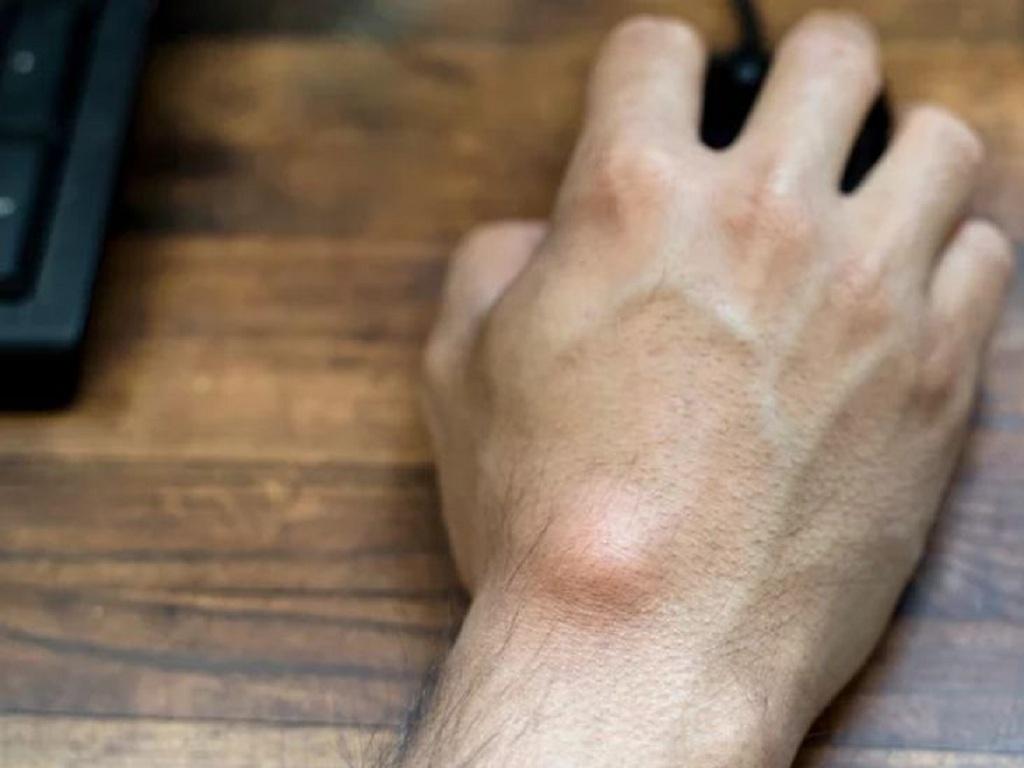
Throughout the week
Monitor whether the cyst remains stable or develops new symptoms.
If it becomes increasingly painful, hot, red, or swollen, seek medical advice. If you develop fever or spreading redness, obtain prompt medical assessment.
This routine is intended to support comfort and protect the skin. It is not a substitute for diagnosis or a method of guaranteed cyst removal.
Final Thoughts: Treat the Cyst Safely, Not Aggressively
Sebaceous cysts, particularly the epidermoid cysts commonly described by that name, are frequent causes of small lumps beneath the skin. Most are benign, and many do not require treatment.
They often develop when skin cells become trapped beneath the surface and keratin accumulates inside a sac. Skin trauma, follicular changes, and certain inherited conditions can also contribute.
For an uncomplicated cyst, gentle skin care and a warm compress may help with comfort. However, home remedies cannot reliably remove the entire cyst wall, and squeezing, cutting, or puncturing the lump can make matters worse.
If the cyst grows, repeatedly becomes inflamed, causes discomfort, or affects your quality of life, a healthcare professional can discuss observation, drainage, or surgical removal. Antibiotics may be appropriate when bacterial infection is suspected, but they are not necessary for every red or swollen cyst.
Most importantly, do not assume that every lump is a cyst. New, changing, or unusual growths deserve appropriate assessment, especially when they grow rapidly, bleed, or develop persistent skin changes.
The safest approach is straightforward: keep the area clean, avoid unnecessary manipulation, monitor changes, and seek medical advice when symptoms warrant it.
A small lump may turn out to be nothing serious, but understanding what it is and knowing when to leave it alone - can protect your skin far better than an aggressive home remedy.