3 Abnormalities People Often Think Are Skin Problems — But May Actually Signal Heart Disease
When it comes to heart disease, most people expect obvious warning signs such as chest pain, shortness of breath, or palpitations. What many don’t realize is that the skin can sometimes reveal early clues about what’s happening inside the heart and blood vessels.
Certain skin changes are often dismissed as harmless cosmetic issues, aging, or minor dermatological problems. However, doctors warn that some visible abnormalities on the skin may reflect underlying cardiovascular disease, especially problems related to cholesterol buildup, poor circulation, or damaged blood vessels.
Here are three skin-related abnormalities that people commonly overlook — but which may be trying to expose heart disease.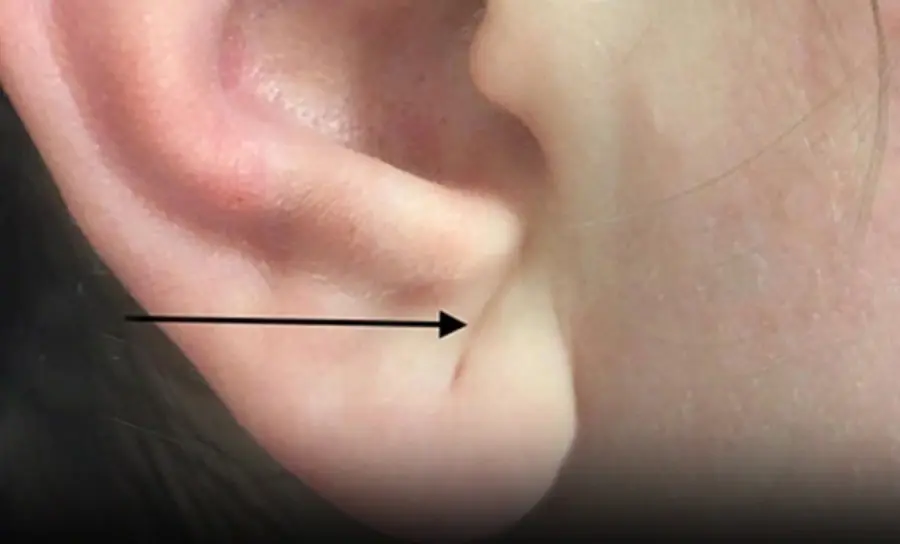
1. Creases or Lines on the Earlobe
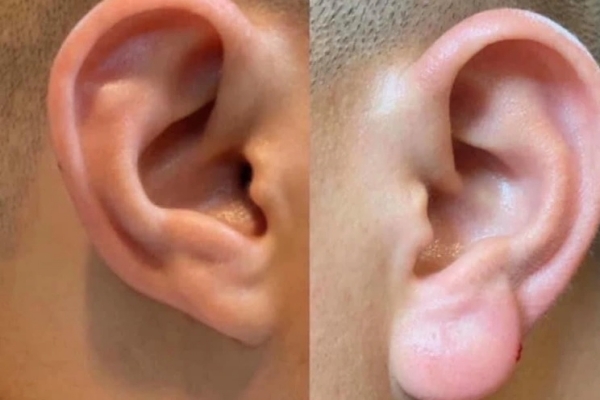
A diagonal crease or deep line running across the earlobe is frequently ignored as a natural skin fold or a sign of aging. Yet this feature, sometimes referred to in medical discussions as an earlobe crease, has been associated in multiple studies with an increased risk of heart disease.
Doctors believe this may be linked to:
-
Poor blood circulation
-
Damage to small blood vessels
-
Early atherosclerosis (hardening of the arteries)
The earlobe has limited blood supply and no muscle, making it particularly sensitive to changes in vascular health. When blood flow is compromised, structural changes in the skin may appear earlier here than elsewhere in the body.
While an earlobe crease alone does not confirm heart disease, its presence alongside other risk factors such as high blood pressure, diabetes, or smoking should not be ignored.
2. Yellowish Bumps or Patches on the Skin
Yellowish deposits that appear on the skin — especially around the eyelids, elbows, knees, or hands — are often mistaken for harmless fat deposits or minor skin conditions.
In reality, these patches may be cholesterol deposits under the skin, reflecting elevated levels of LDL (“bad”) cholesterol in the blood.
These skin changes may indicate:
-
Long-term high cholesterol
-
Increased plaque buildup in arteries
-
Higher risk of coronary artery disease
What makes these signs dangerous is that they often develop before serious symptoms appear, acting as a visual warning of internal artery damage. Many people focus on treating the skin appearance while the underlying cholesterol problem continues to worsen.
3. Cold, Pale, or Bluish Skin in Certain Areas
Skin that frequently appears pale, cold to the touch, or bluish — particularly in the fingers, toes, or extremities — is often blamed on poor circulation due to weather or posture.
However, persistent changes in skin color or temperature can signal reduced blood flow caused by heart or vascular disease.
Possible underlying issues include:
-
Narrowed or blocked arteries
-
Weak heart pumping ability
-
Poor oxygen delivery to tissues
In severe cases, reduced circulation can lead to numbness, pain, or slow-healing wounds. These symptoms suggest that the heart may not be effectively supplying blood throughout the body.
Why These Signs Are So Often Ignored
One of the reasons these abnormalities are overlooked is that they:
-
Appear gradually
-
Do not cause immediate pain
-
Resemble common skin or aging issues
People may treat them with creams, cosmetic procedures, or lifestyle changes without ever checking their heart health. Unfortunately, by the time classic heart symptoms appear, significant damage may already be present.
When Skin Signs Should Raise Concern
These skin abnormalities become more concerning when they occur alongside:
-
High blood pressure
-
High cholesterol
-
Diabetes
-
Obesity
-
Smoking history
-
Family history of heart disease
In such cases, skin changes may be external clues of internal cardiovascular stress.
What You Should Do
If you notice persistent or unusual skin changes — especially those described above — it is wise to:
-
Monitor blood pressure regularly
-
Get cholesterol and blood sugar tested
-
Discuss symptoms with a healthcare provider
-
Assess overall cardiovascular risk
Early detection allows for lifestyle changes, medication, and monitoring that can significantly reduce the risk of heart attack or stroke.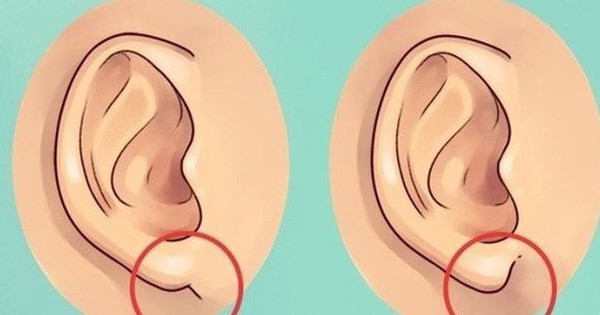
The Takeaway
Your skin is more than a protective outer layer — it can act as a mirror reflecting what’s happening inside your body. Creases, discoloration, or unusual patches may seem like minor cosmetic concerns, but in some cases, they are early warning signs of heart disease.
Listening to these subtle signals can lead to earlier diagnosis, better prevention, and potentially life-saving intervention.
Sometimes, the heart speaks — not through pain — but through the skin.