However, this is not guaranteed.
Not all allergenic proteins are destroyed by cooking, and individual reactions vary.
Anyone who has experienced a significant allergic reaction should not experiment with cooked or raw cucumber without appropriate medical advice.
What Should People With Seasonal Allergies Do?
If you have hay fever or seasonal pollen allergies and notice itching after eating raw cucumber, discuss the symptoms with an allergy specialist.
A healthcare professional can help determine whether the reaction is related to pollen-food allergy syndrome or another type of food allergy.
Do not automatically eliminate every fruit and vegetable associated with your pollen allergy.
Most people with seasonal allergies can still enjoy a wide variety of plant foods.
The important thing is to identify your individual triggers.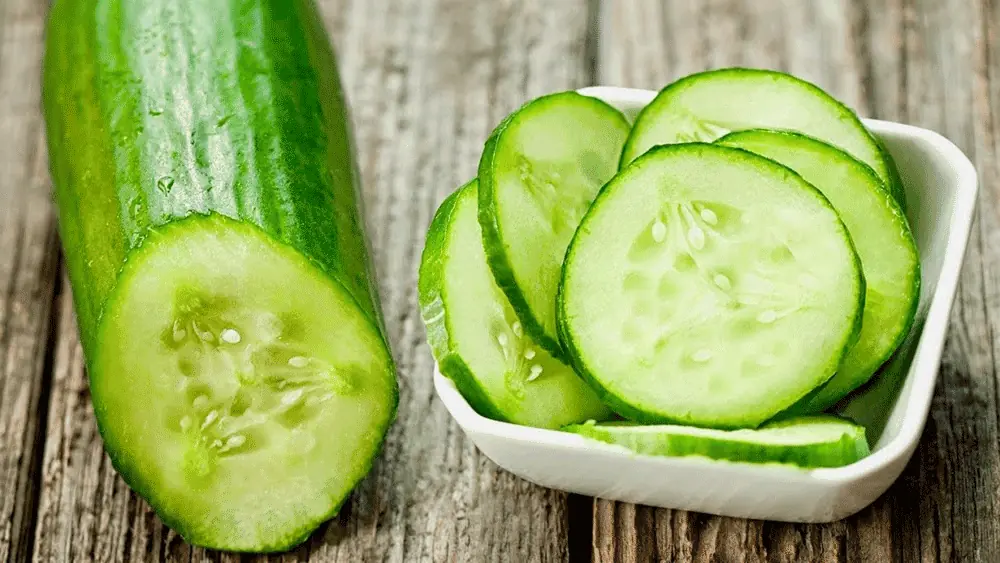
5. One More Important Warning: Never Eat an Extremely Bitter Cucumber
There is another cucumber-related safety issue that everyone should know about, regardless of their health status.
If a cucumber tastes unusually and intensely bitter, do not continue eating it.
Cucumbers belong to the cucurbit family, which naturally contains compounds called cucurbitacins.
These compounds contribute to bitterness and are normally present at very low levels in commonly consumed varieties.
However, under certain circumstances, unusually high concentrations can develop.
Consuming foods containing excessive cucurbitacins may cause gastrointestinal poisoning.
What Can Happen After Eating a Bitter Cucumber?
Possible symptoms include:
-
Nausea
-
Vomiting
-
Abdominal cramps
-
Diarrhea
-
Dehydration
Symptoms may develop after consuming contaminated produce.
In more severe cases, dehydration and other complications may require medical treatment.
Can Cooking Make a Bitter Cucumber Safe?
No.
Cooking does not reliably destroy cucurbitacins.
If a cucumber tastes unusually bitter, spit it out and discard the entire item.
Do not try to remove the bitter skin or cook the cucumber to make it safe.
If you have eaten a significantly bitter cucumber and develop vomiting, diarrhea, or severe abdominal pain, seek medical advice promptly.
This warning is particularly important for people growing cucumbers at home, although unusually bitter cucumbers should also be avoided when purchased from a store.
6. The Health Benefits of Cucumbers: Why Most People Can Enjoy Them
After discussing the groups that may need caution, it is equally important to understand why cucumbers remain a useful addition to many diets.
For most healthy individuals, cucumbers are nutritious, refreshing, and easy to enjoy.
They Help Support Hydration
Cucumbers contain approximately 95–96% water.
Eating water-rich vegetables can contribute to daily fluid intake, although drinking sufficient water remains important.
They are especially refreshing during hot weather and can be added to salads or served as a light snack.
They Are Naturally Low in Calories
Cucumbers provide relatively few calories per serving.
This makes them a convenient choice for people who want to enjoy larger portions of vegetables without significantly increasing their calorie intake.
However, the total calories of a cucumber-based dish depend on additional ingredients such as dressings, mayonnaise, oil, and sauces.
They Provide Some Dietary Fiber
The skin and flesh of cucumbers contain dietary fiber.
Fiber supports digestive health and contributes to normal bowel function.
Eating cucumber with the peel can provide more fiber than eating the peeled version.
Remember to wash fresh produce thoroughly before eating it.
They Contain Useful Vitamins and Minerals
Cucumbers provide small amounts of several nutrients, including:
-
Vitamin K
-
Vitamin C
-
Potassium
-
Magnesium
-
Manganese
They are not exceptionally rich in every nutrient, but they can contribute to an overall varied diet.
Vitamin K is important for normal blood clotting and bone health.
They Can Make Healthy Meals More Enjoyable
One underrated benefit of cucumber is its versatility.
Its mild flavor and crunchy texture make it easy to combine with other nutritious ingredients.
You can add it to salads, sandwiches, yogurt-based dishes, or simple vegetable plates.
For people trying to increase their vegetable intake, convenience and enjoyment matter.
A vegetable that is easy to prepare and pleasant to eat can become a regular part of a healthy eating routine.
7. What Is the Healthiest Way to Eat Cucumbers?
There is no single preparation method that is best for everyone.
The most suitable option depends on personal preference, digestive tolerance, and individual health needs.
Eat Them Fresh
Fresh cucumber is a convenient way to enjoy its natural water content and crunchy texture.
Wash the cucumber under clean running water before cutting or eating it.
Use clean knives and cutting boards to reduce the risk of cross-contamination.
Should You Peel the Skin?
Cucumber skin contains fiber and contributes to the vegetable's nutritional value.
For people who tolerate it comfortably, eating cucumber with the peel is perfectly reasonable.
However, peeling may be helpful for individuals who find the skin difficult to digest or simply prefer a smoother texture.