Clean frequently touched surfaces
The flush button, handle, faucet, door handle, and light switch are frequently touched surfaces.
They can become contaminated through contact with unwashed hands.
Cleaning these areas regularly with suitable household products helps maintain a healthier bathroom environment.
Keep toothbrushes away from the toilet
Toothbrushes should be stored in a clean, dry location, preferably inside a cabinet or protected holder.
Avoid placing them directly beside the toilet bowl.
Allowing toothbrushes to dry between uses is also important because consistently damp conditions can encourage microbial growth.
Improve ventilation
Bathrooms naturally experience changes in humidity because of showers, sinks, and other activities.
Poor ventilation allows moisture and odors to remain in the room for longer periods.
An exhaust fan, open window, or other suitable ventilation system can help reduce humidity and improve air quality.
These habits are useful regardless of whether a toilet is flushed after every urination.
Another important issue is the difference between urine and feces. While some households may consider delaying a flush after urination to conserve water, feces should generally be flushed promptly.
Human feces can contain a variety of microorganisms, including bacteria, viruses, and parasites. Leaving it in the toilet can create more significant odor and sanitation concerns.
For this reason, a strategy that might be considered occasionally in a private bathroom after urination should not be applied indiscriminately to all toilet use.
The safest approach is to maintain ordinary hygiene standards rather than treating every bathroom visit as identical.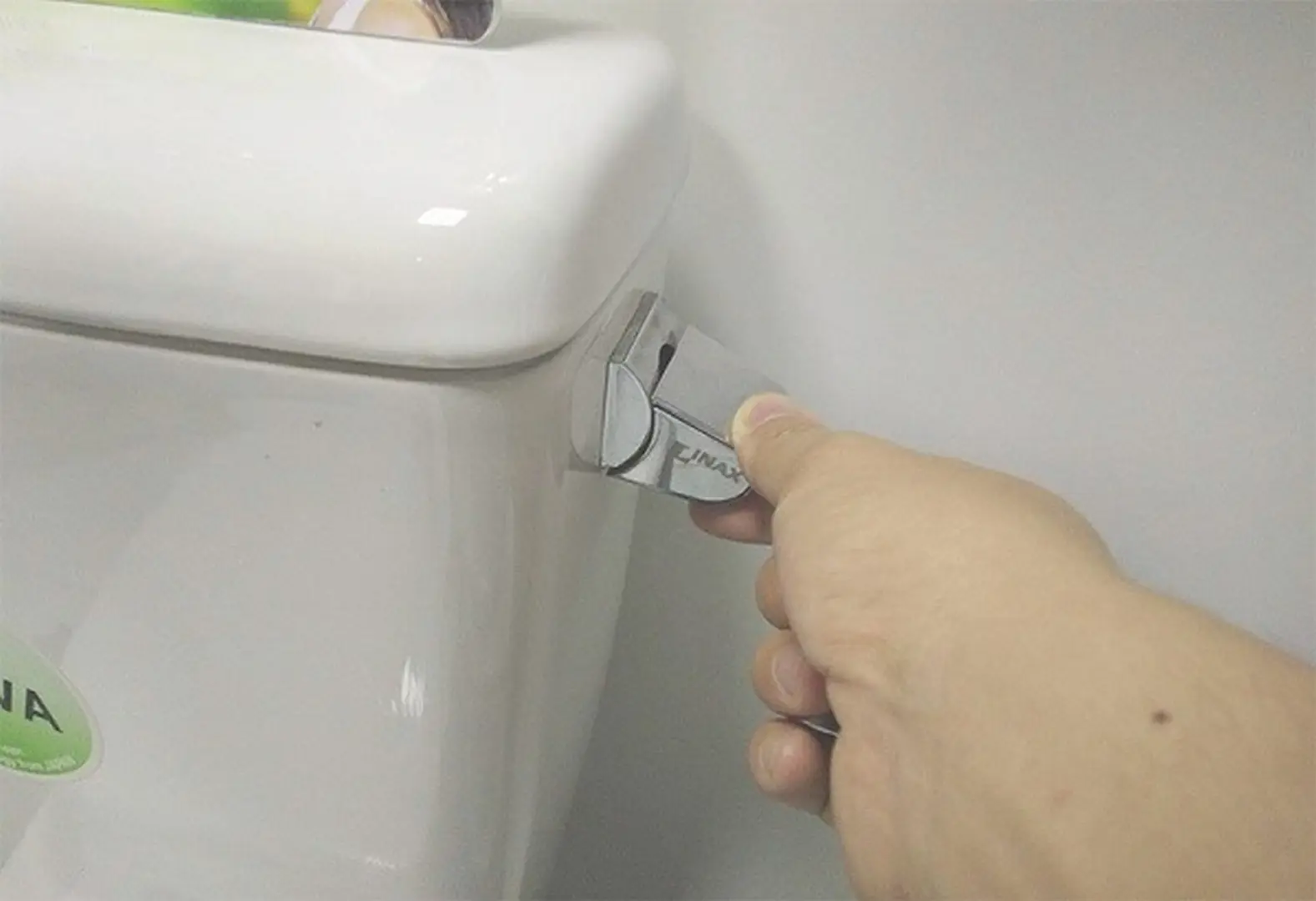
Chapter 4: Can You Really Save Water by Not Flushing Every Time?
Water conservation is one of the strongest arguments behind the idea of skipping occasional toilet flushes.
Modern households use water for cooking, cleaning, bathing, laundry, gardening, and sanitation. Toilet flushing can represent a meaningful portion of indoor household water consumption.
Older toilets may use considerably more water per flush than modern models. Some older designs use approximately 13 liters or more, while many contemporary high-efficiency toilets use around 4.8 liters per flush or less. Actual consumption depends on the model and its flushing system.
Imagine a household where four people each use the toilet several times per day.
If a toilet uses 6 liters per flush and the household flushes 16 times daily, that amounts to 96 liters of water per day.
Over a month, the total can exceed 2,800 liters.
This example illustrates why improving toilet efficiency can make a difference.
However, there are better ways to reduce water consumption than routinely leaving urine in the toilet.
1. Install a dual-flush toilet
Dual-flush toilets provide different flushing volumes.
The smaller flush is designed for liquid waste, while the larger flush is intended for solid waste.
This system allows households to use less water when a full flush is unnecessary, without having to abandon normal flushing habits.
For people renovating a bathroom, a dual-flush system can be a practical long-term investment.
2. Replace inefficient older toilets
If a toilet uses an unusually large amount of water, replacing it with a certified high-efficiency model may reduce household consumption.
Before purchasing a replacement, check the manufacturer's specifications and local water-efficiency standards.
A properly installed modern toilet should provide effective waste removal while using less water.
3. Repair leaks immediately
A leaking toilet can waste far more water than people realize.
Sometimes the leak is audible, but in other cases water moves silently from the tank into the bowl.
One simple way to check for a leak is to place a few drops of food coloring in the toilet tank without flushing. Wait approximately 10 to 15 minutes.
If the color appears in the bowl without flushing, water may be leaking through the flapper or another part of the tank mechanism.
This test can help identify a problem that would otherwise remain unnoticed.
A plumber or knowledgeable maintenance professional can inspect and repair the faulty components.
4. Choose water-efficient bathroom fixtures
Low-flow faucets and efficient showerheads can reduce water consumption throughout the home.
These changes may appear small individually, but their combined effect can be significant.
5. Avoid unnecessary flushing
There are situations where people flush toilets simply to remove small amounts of toilet paper or because they are accustomed to pressing the handle repeatedly.
Following the toilet manufacturer's instructions and using an appropriate flush for the type of waste can prevent unnecessary water use.