The most important takeaway is this: You do not need to panic if someone occasionally forgets to flush after urinating, but routinely leaving urine in a shared toilet is not the best hygiene practice. If you want to save water, choose a more efficient toilet and fix leaks rather than sacrificing everyday bathroom cleanliness.
Sometimes, the smallest household habits make the biggest difference when they are practiced consistently.
Chapter 6: What Happens If You Make a Habit of Skipping Flushes?
Beyond saving water, some people wonder whether regularly leaving urine in the toilet bowl could create problems inside the bathroom. The answer depends on how often the toilet is used, how well the bathroom is ventilated, and whether the bowl is cleaned regularly.
Urine is mostly water, but it also contains dissolved waste products, salts, and other compounds. When it remains in the toilet bowl for an extended period, its smell can become more noticeable, particularly in a warm bathroom or a poorly ventilated space. The longer it sits, the more likely unpleasant odors are to develop.
This does not mean that leaving urine in the bowl briefly is automatically dangerous. In a private household bathroom, occasionally delaying a flush is generally not a major health concern. However, repeatedly allowing waste to accumulate can make the bathroom less pleasant and increase the need for cleaning.
Another consideration is mineral buildup. Depending on the hardness of the household water and the frequency of cleaning, deposits may gradually develop around the waterline and other surfaces. Urine residue can contribute to unpleasant staining and odors, although hard-water minerals are often a major factor. Regular toilet cleaning helps prevent these problems from becoming difficult to remove.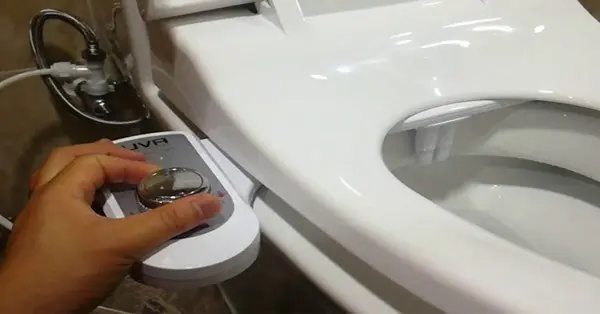
Chapter 7: Does Skipping a Flush Really Make a Difference to the Environment?
Water conservation is one of the strongest arguments for avoiding unnecessary flushing. Every flush uses a certain amount of water, and that amount depends on the toilet's design, age, and efficiency.
Older toilets may use considerably more water per flush than modern low-flow models. Even newer toilets consume water each time they are activated. Across a household, unnecessary flushing can therefore add up over days, months, and years.
However, the environmental impact should be considered realistically. Skipping an occasional flush is unlikely to transform a household's overall water consumption. Larger savings may come from repairing leaking toilets, installing efficient fixtures, taking shorter showers, and using water responsibly throughout the home.
A leaking toilet deserves particular attention because it can waste substantial amounts of water without being immediately noticeable. A simple inspection can reveal whether water is continuously running from the tank into the bowl. Fixing this problem may save far more water than changing a flushing habit.
It is also worth remembering that toilets are designed to remove waste hygienically. Water conservation should never come at the expense of sanitation, especially in shared spaces.
Chapter 8: A Practical Approach for Every Household
There is no universal rule requiring everyone to follow exactly the same flushing routine in every situation. The most sensible approach is to consider the type of toilet, the number of people using it, bathroom ventilation, and the expectations of everyone sharing the space.
In a private household, an individual may occasionally choose not to flush after urinating, particularly when the bathroom is used frequently by the same person and there is no unpleasant odor or visible residue. Nevertheless, flushing regularly keeps the bowl fresher and reduces the likelihood of lingering smells.
In shared bathrooms, guest bathrooms, workplaces, restaurants, schools, and public facilities, flushing after every use is the considerate and hygienic choice. Nobody should have to encounter another person's waste when entering a restroom.
Regardless of flushing habits, several basic practices remain important:
-
Clean the toilet bowl and surrounding surfaces regularly.
-
Keep the bathroom ventilated to reduce persistent odors.
-
Flush promptly after bowel movements.
-
Always wash your hands thoroughly with soap and water after using the toilet.
-
Repair leaking or malfunctioning toilets rather than allowing water to run continuously.
-
Keep shared bathrooms clean and ready for the next person.
Ultimately, the question is not simply whether flushing after every urination is always necessary. It is about finding a reasonable balance between water conservation, cleanliness, hygiene, and consideration for others.
Saving water is worthwhile, but a clean and sanitary bathroom should remain the priority. A thoughtful routine can achieve both without turning an ordinary household habit into an unnecessary source of worry.