The Best Ways to Fix Moldy and Peeling Walls Without Damaging Your Home
A Step-by-Step Guide to Treating Mold and Peeling Paint on Walls
Tips 02/08/2026 01:16
When temperatures rise, most people reach for the remote control and switch on the air conditioner without giving much thought to the fan speed setting. Many assume that setting the fan to high speed will always cool a room faster, while others believe low speed saves energy and provides better comfort.
The truth is a little more nuanced. The ideal fan speed depends on several factors, including the room size, humidity, outdoor temperature, and your comfort preferences. Understanding how each setting works can help improve cooling performance, increase comfort, and even reduce unnecessary energy use.
Here's what you need to know about choosing between high and low fan speed on your air conditioner.
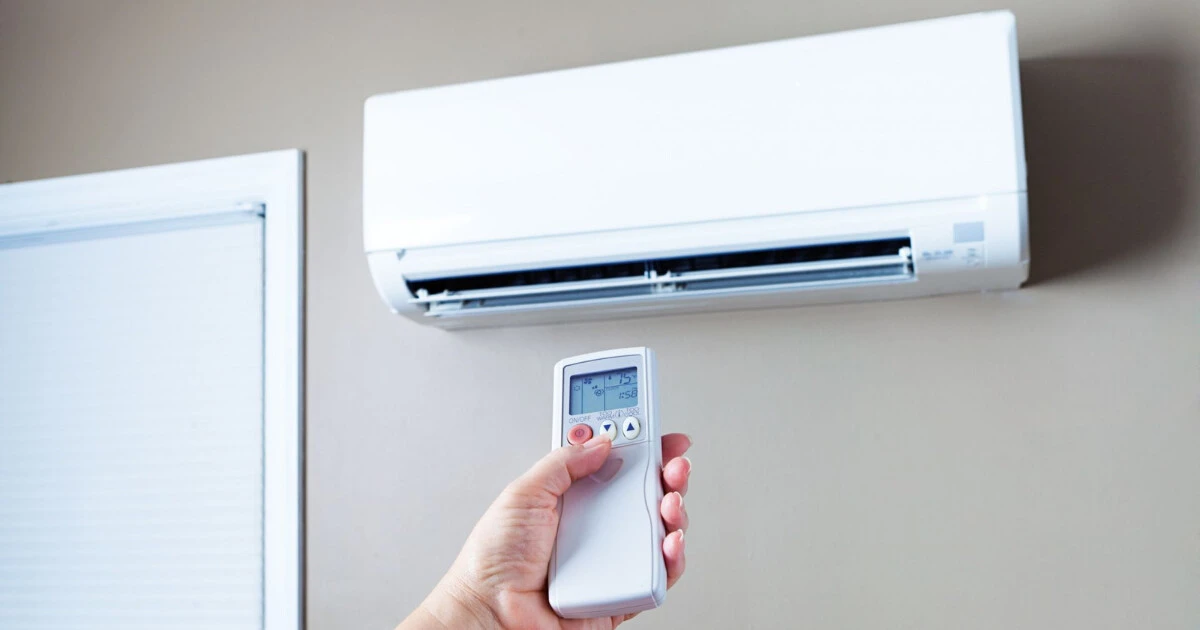
An air conditioner cools your home by drawing warm indoor air across cold evaporator coils. As the air passes over these coils:
Heat is removed from the air.
Moisture condenses on the coils and drains away.
Cooler, drier air is circulated back into the room.
The fan speed determines how quickly air moves across the evaporator coils and how rapidly cooled air is distributed throughout the room.
Changing the fan speed doesn't change how cold the refrigerant becomes, but it does affect cooling performance, humidity removal, and airflow.
When the fan runs at high speed, it moves a larger volume of air through the system every minute.
High fan speed circulates cool air throughout the room more quickly.
This is especially useful when:
You first turn on the air conditioner.
The room is very hot.
Several people are in the room.
Large windows have allowed significant heat to build up.
The room often feels cooler sooner because conditioned air reaches every corner more rapidly.
Stronger airflow helps reduce hot and cold spots.
Large rooms, open floor plans, and high ceilings often benefit from higher fan speeds because cool air is distributed more evenly.
On particularly hot days, stronger airflow can make the room feel more comfortable.
Moving air across your skin increases evaporation of perspiration, creating a cooling sensation even if the room temperature hasn't changed significantly.
High fan speed isn't always ideal.
Because air moves more quickly across the cooling coils, there is less contact time with the cold surface.
This may reduce the amount of moisture removed from the air in very humid environments.
The stronger airflow may also generate more noticeable fan noise.
With low fan speed, air moves more slowly across the evaporator coil.
Since air remains in contact with the cold coil for a longer period, more water vapor may condense and drain away.
Lower indoor humidity often makes a room feel more comfortable, even at the same temperature.
This setting may be especially useful in humid climates.
Low fan speed usually produces less airflow noise.
Many people prefer it:
At bedtime
While reading
During meetings
In nurseries
While watching television
The quieter environment can improve comfort and sleep quality.
Some people dislike having strong cold air blowing directly on them.
A lower fan speed provides softer, less noticeable airflow while maintaining a comfortable indoor temperature.
Cooling the room may take longer when starting from a high indoor temperature.
Large rooms may also experience less even air circulation if the fan remains on its lowest setting continuously.
This is one of the most common questions.
The answer depends on the air conditioner model and operating conditions.
In general:
A higher fan speed requires somewhat more electricity to operate the fan motor.
However, the fan motor typically uses much less electricity than the compressor.
In many modern systems, the difference in overall energy consumption between high and low fan speeds is relatively small compared with the energy used by the compressor.
The biggest influence on electricity use is often:
The temperature setting
Outdoor weather
Room insulation
Air conditioner efficiency
How long the compressor runs
If humidity is high, lower fan speeds often provide better moisture removal because air spends more time passing over the cold evaporator coil.
Lower humidity can make the room feel cooler without lowering the thermostat further.
However, if your air conditioner includes a dedicated Dry Mode, that setting is usually designed specifically to reduce indoor humidity more effectively than simply lowering the fan speed.
For many people, low fan speed is a comfortable choice while sleeping because it offers:
Less noise
Gentler airflow
More stable room conditions
Reduced drafts
Many modern air conditioners also include Sleep Mode, which automatically adjusts temperature and fan speed throughout the night to balance comfort and energy efficiency.
Imagine arriving home after a hot summer afternoon.
The indoor temperature is much higher than desired.
In this situation:
Start with high fan speed to distribute cool air quickly.
Once the room reaches a comfortable temperature, switch to medium or low fan speed if preferred.
This approach often provides both fast cooling and comfortable long-term operation.
Many air conditioners allow the fan to run continuously even when the compressor cycles off.
There are both advantages and disadvantages.
More even temperatures
Improved air circulation
Continuous air filtration if your system has a filter
Slightly higher electricity use
Possible redistribution of moisture from the evaporator coil back into the room after the compressor stops, particularly in humid climates
Many homeowners prefer using the Auto Fan setting, which runs the fan mainly while the compressor is actively cooling.
Modern air conditioners often include an Auto fan setting.
Instead of selecting a fixed fan speed, the system automatically adjusts airflow according to cooling demand.
For example:
High speed when the room is very warm.
Medium speed as the temperature approaches the target.
Lower speed once the desired temperature is nearly reached.
Auto mode provides a balance of comfort, convenience, and efficiency for many households.
Fan speed is only one part of keeping your home comfortable.
You can also improve cooling performance by:
Cleaning or replacing air filters regularly.
Keeping indoor vents unobstructed.
Closing curtains or blinds during the hottest part of the day.
Sealing air leaks around doors and windows.
Keeping doors and windows closed while the air conditioner is operating.
Scheduling routine maintenance for your air conditioning system.
Using ceiling fans to help circulate cool air.
These simple steps can reduce the workload on your air conditioner and improve overall efficiency.
High fan speed distributes cooled air more quickly, but it does not make the refrigerant colder or change the air conditioner's maximum cooling capacity.
Not necessarily. While the fan motor itself may use slightly less power at lower speeds, the overall energy consumption depends on many factors, including how long the compressor runs.
Not always. High speed may be ideal for rapid cooling, while low speed may provide greater comfort, quieter operation, and better humidity control.
The best choice depends on your situation.
Choose high fan speed if you want to:
Cool a hot room quickly
Improve air circulation
Reduce hot spots in larger spaces
Feel stronger airflow during very warm weather
Choose low fan speed if you want to:
Enjoy quieter operation
Sleep more comfortably
Reduce direct drafts
Improve comfort in humid conditions
Use Auto Fan mode if available for a convenient balance, as it automatically adjusts airflow based on the room's cooling needs.
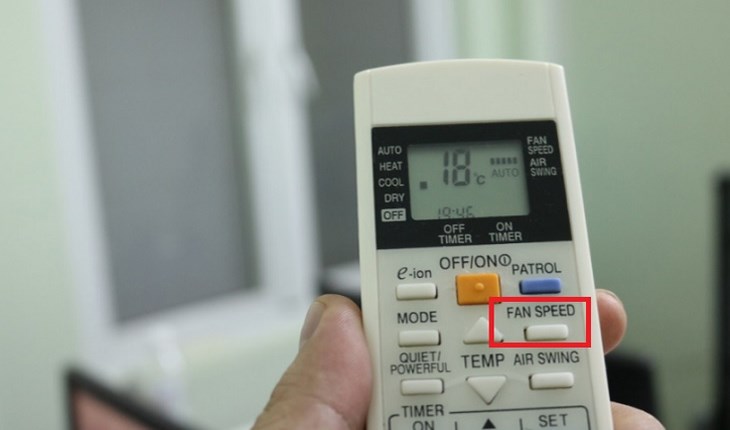
There is no single fan speed that is perfect for every situation. High fan speed is useful for cooling a warm room quickly and improving air circulation, while low fan speed offers quieter operation and may enhance comfort by allowing the system to remove more moisture from the air in humid conditions.
Rather than choosing one setting all the time, consider adjusting the fan speed to match your needs throughout the day. Starting with a higher speed when the room is hot and switching to a lower or automatic setting once the desired temperature is reached often provides an effective balance of comfort and efficiency.
Combined with regular maintenance, clean air filters, proper thermostat settings, and good home insulation, choosing the appropriate fan speed can help you enjoy a cooler, more comfortable home while making the most of your air conditioning system.
A Step-by-Step Guide to Treating Mold and Peeling Paint on Walls

⚠️ If You Do This After Cooking, You Could Be Shortening the Life of Your Pipes…

That decorative cloth serves more than just an attractive hotel room design.

Before planting this season, see which plants snakes prefer most.

Checking Into a Motel? Don't Miss These Important Room Inspections

Stop Mopping With Plain Water—Try This Simple Upgrade Instead

Is an Egg With a Red Spot Safe to Eat?


Trust Your First Impression... Then Read the Result!

Can You Still Drive After 70? The Answer May Surprise You

You've Probably Been Choosing Chicken the Wrong Way

A simple water bottle trick can reveal hidden issues beneath hotel beds.

Red Bones in Cooked Chicken: Safe or Dangerous?

One Small Shirt Detail Reveals a Fascinating Piece of History

How to Manage Toenail Fungus Naturally: Tips, Safety, and Medical Treatments

What Happens If You Eat the Dark Vein in Shrimp?

Want Tomatoes to Last Longer? Stop Doing This One Thing

Found This Tiny Insect in Your Kitchen? Check Your Pantry Now

Rice Water for Your Skin: 5 Uses You Should Know About

Discover 11 Time-Honored Honey Remedies for Everyday Wellness

Want More Iron in Your Diet? These Heart-Healthy Vegetables Are Worth Adding

Understanding Kidney Disease: 6 Foot Symptoms That Shouldn't Be Ignored
A Step-by-Step Guide to Treating Mold and Peeling Paint on Walls
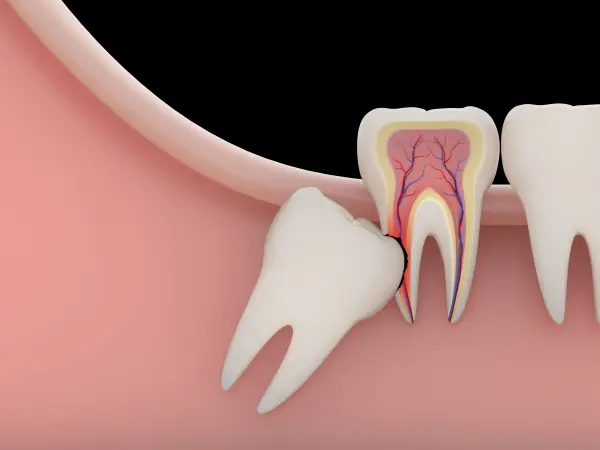
6 Common Symptoms That May Indicate an Impacted Wisdom Tooth

Onions, Uric Acid, and Stroke Prevention: What Research Says

Nuts and Your Health: What Research Says About Their Benefits and Potential Risks

Smart bedtime drink choices may support better heart and vascular health.

🧠 What Does Eating Peanuts Really Do to Your Body? Here’s What Experts Want You to Know

🌙 You Wake Up at 3 or 4 A.M. for a Reason — But It May Not Be What You Think…

👀 What You Pour Down the Kitchen Sink Matters More Than You Think…
⚠️ If You Do This After Cooking, You Could Be Shortening the Life of Your Pipes…

Before You Reach for Ginger, Check These 5 Health Conditions First

Persistent vomiting in children should never be ignored or self-treated.

A daily avocado may offer surprising health benefits when eaten wisely.

Your Swollen Feet Could Be Missing These 5 Essential Nutrients
That decorative cloth serves more than just an attractive hotel room design.

Some morning symptoms deserve attention, but they are not cancer-specific.

❤️ These Everyday Foods Can Help Support Healthy Arteries — Here’s What to Add to Your Meals