Shoulder and Neck Pain After Menopause: Doctors Warn of Hidden Risks to the Heart and Bones
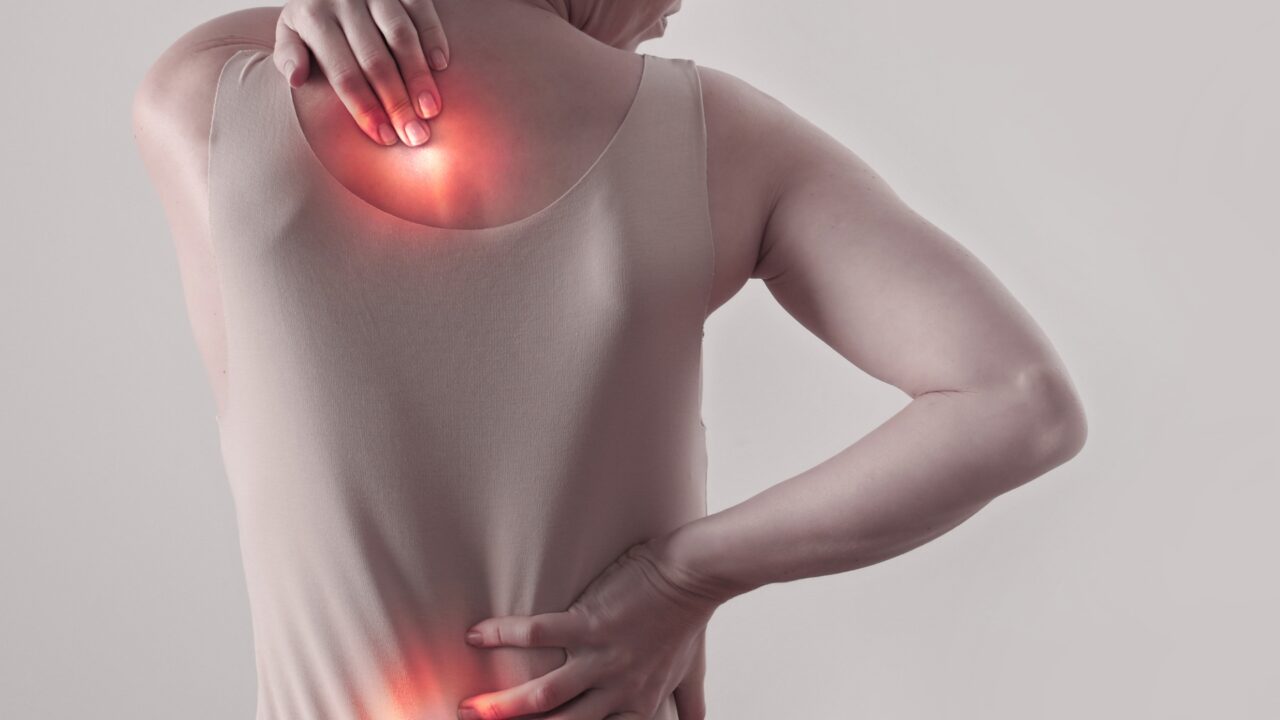
After menopause, many women experience persistent shoulder and neck pain and often dismiss it as a normal sign of aging. However, doctors warn that this seemingly common symptom could be a warning sign of deeper health problems—especially those related to the heart and bones.
Menopause marks a significant decline in estrogen levels, which can affect multiple systems in the body.
Why Shoulder and Neck Pain Becomes More Common After Menopause
Hormonal changes during and after menopause can lead to:
- Reduced bone density
- Increased joint stiffness
- Muscle weakness
These factors make women more prone to discomfort in areas like the shoulders and neck. However, not all pain is harmless.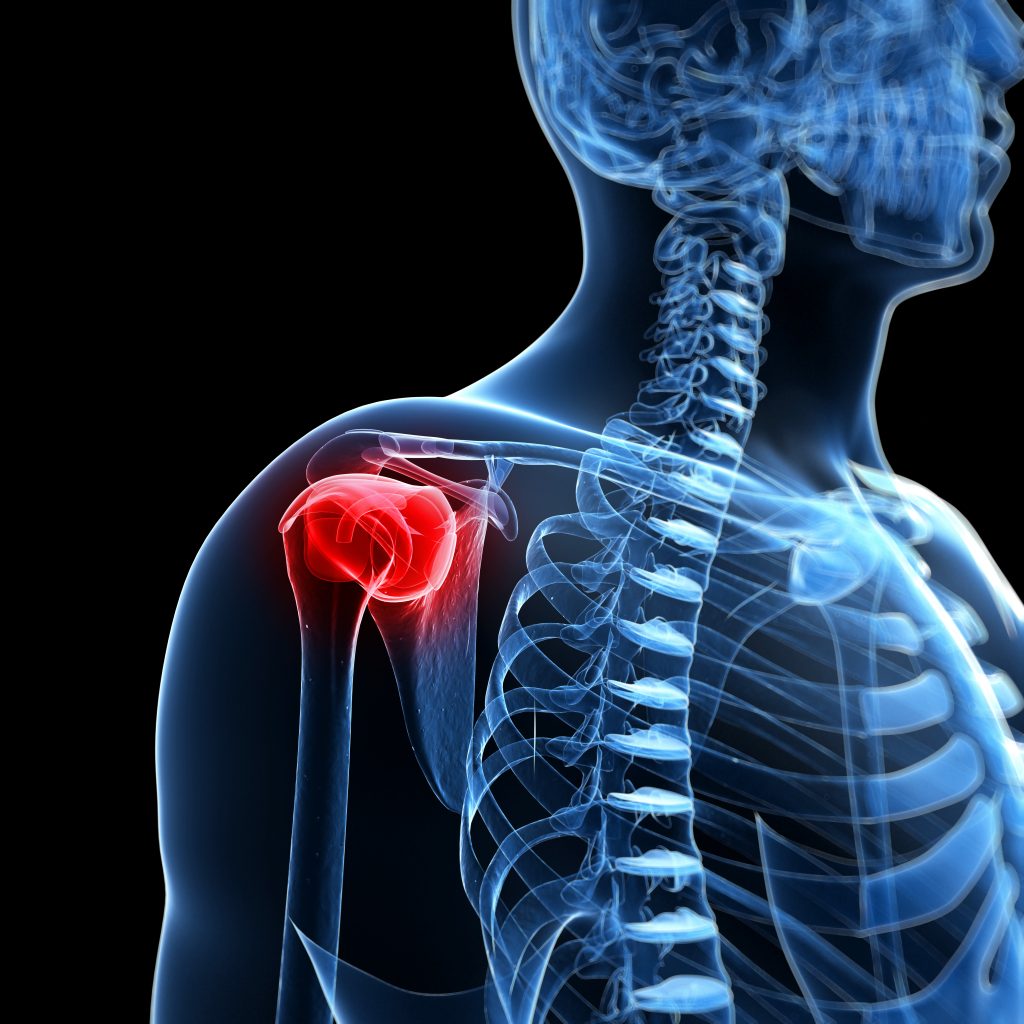
Hidden Risk #1: Cardiovascular Disease
Doctors warn that shoulder or neck pain may sometimes be linked to heart problems—especially in women.
Unlike men, women may not always experience classic chest pain. Instead, warning signs of heart issues can include:
- Pain in the shoulder or upper back
- Neck discomfort
- Fatigue or shortness of breath
These symptoms are often overlooked, leading to delayed diagnosis.
Hidden Risk #2: Osteoporosis
After menopause, the drop in estrogen significantly increases the risk of osteoporosis.
This condition can cause:
- Bone weakening
- Joint pain
- Increased risk of fractures
Persistent pain in the shoulder and neck may be related to bone loss or structural changes in the spine.
Why Women Should Not Ignore These Symptoms
Many women assume that pain is simply due to aging or daily strain. However, experts emphasize that:
- Ongoing or worsening pain should be evaluated
- Pain combined with fatigue or unusual symptoms may indicate more serious conditions
Early detection is key to preventing complications.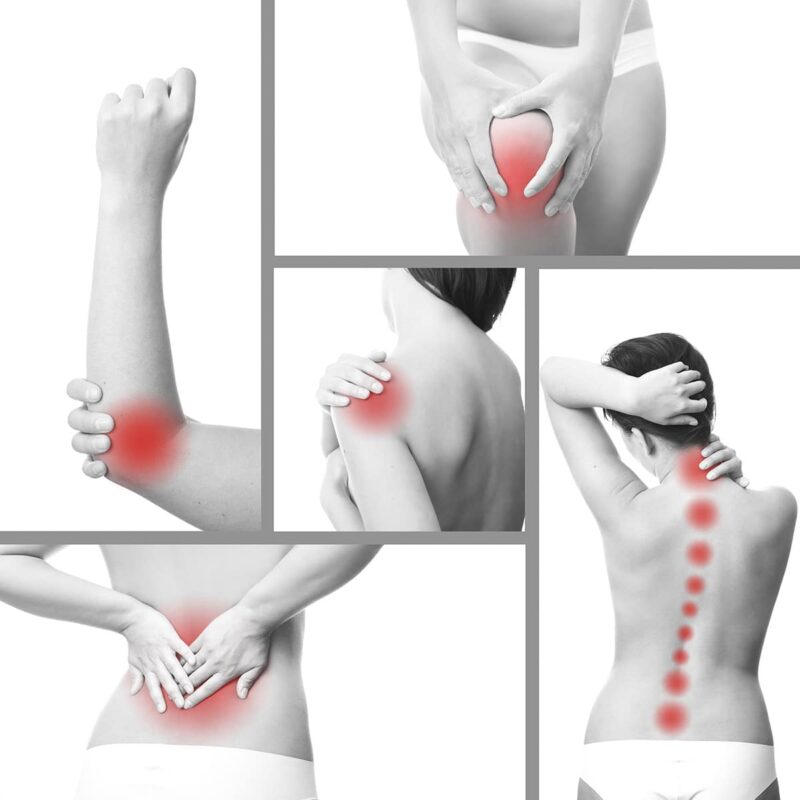
What You Should Do
If you experience frequent shoulder or neck pain after menopause, doctors recommend:
- Monitoring symptoms closely
- Getting regular health check-ups
- Screening for heart health and bone density
Maintaining a healthy lifestyle, including proper nutrition and physical activity, can also help reduce risks.
Conclusion
Shoulder and neck pain after menopause should not be taken lightly. What seems like a minor discomfort may actually be a warning sign of serious conditions related to the heart or bones.
Listening to your body and seeking medical advice early can help protect your long-term health.