How to Identify Engine Problems Caused by Oil Consumption
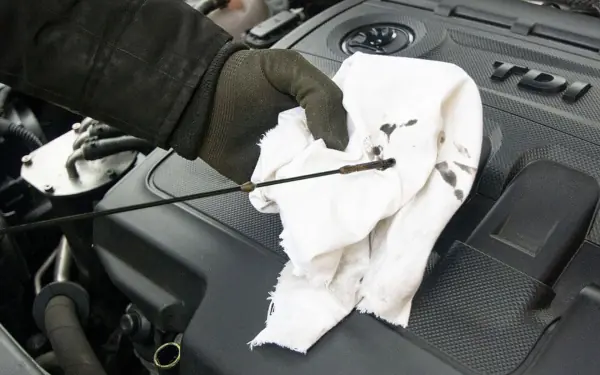
Engine oil depletion during operation can lead to serious consequences for the vehicle’s engine. Therefore, users need to be aware of the signs and symptoms that indicate the engine is losing oil.
One of the most concerning signs of engine damage due to low oil levels is the loud knocking or clattering sound coming from the engine compartment. Another indication that the engine is "eating" oil is excessive smoke, particularly blue smoke coming from the exhaust. This smoke is often the result of engine oil being burned and pushed out through the exhaust system.
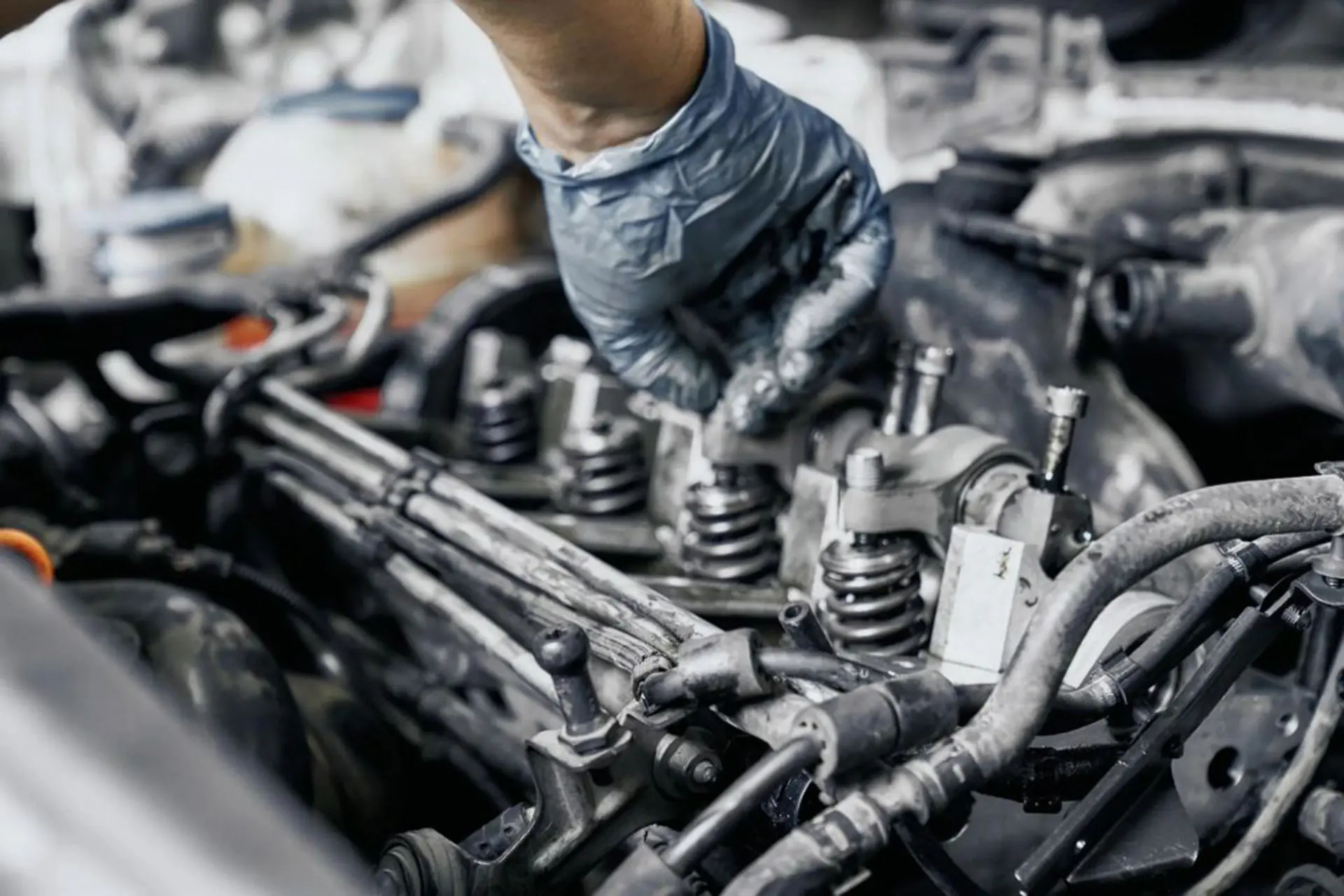
Additionally, insufficient engine oil can significantly reduce the engine's power and efficiency. The engine may struggle to accelerate, lack power, or experience misfires. This happens because the engine cannot perform optimally without enough lubrication.
Engine overheating is another serious symptom. When the engine is not properly lubricated, it may overheat, causing significant damage to internal components, leading the temperature gauge on the dashboard to rise. Unusual smells, such as burnt oil or the sound of metal scraping, leading to excessive friction, can also be signs that the engine is having issues.
Visual Inspection
To determine whether the engine is losing lubricant oil, one of the first things to do is check for signs of oil leaks. Look for stains or puddles of black liquid on the ground, especially around the engine area, oil pan, and transmission.
An important warning sign is the presence of metal shavings on the oil dipstick. This indicates serious internal engine wear. Additionally, performing a visual inspection of the engine can help detect if the engine block is cracked or warped, which would indicate severe engine damage that requires major repairs or even a full engine replacement.
Using Machinery for Diagnosis
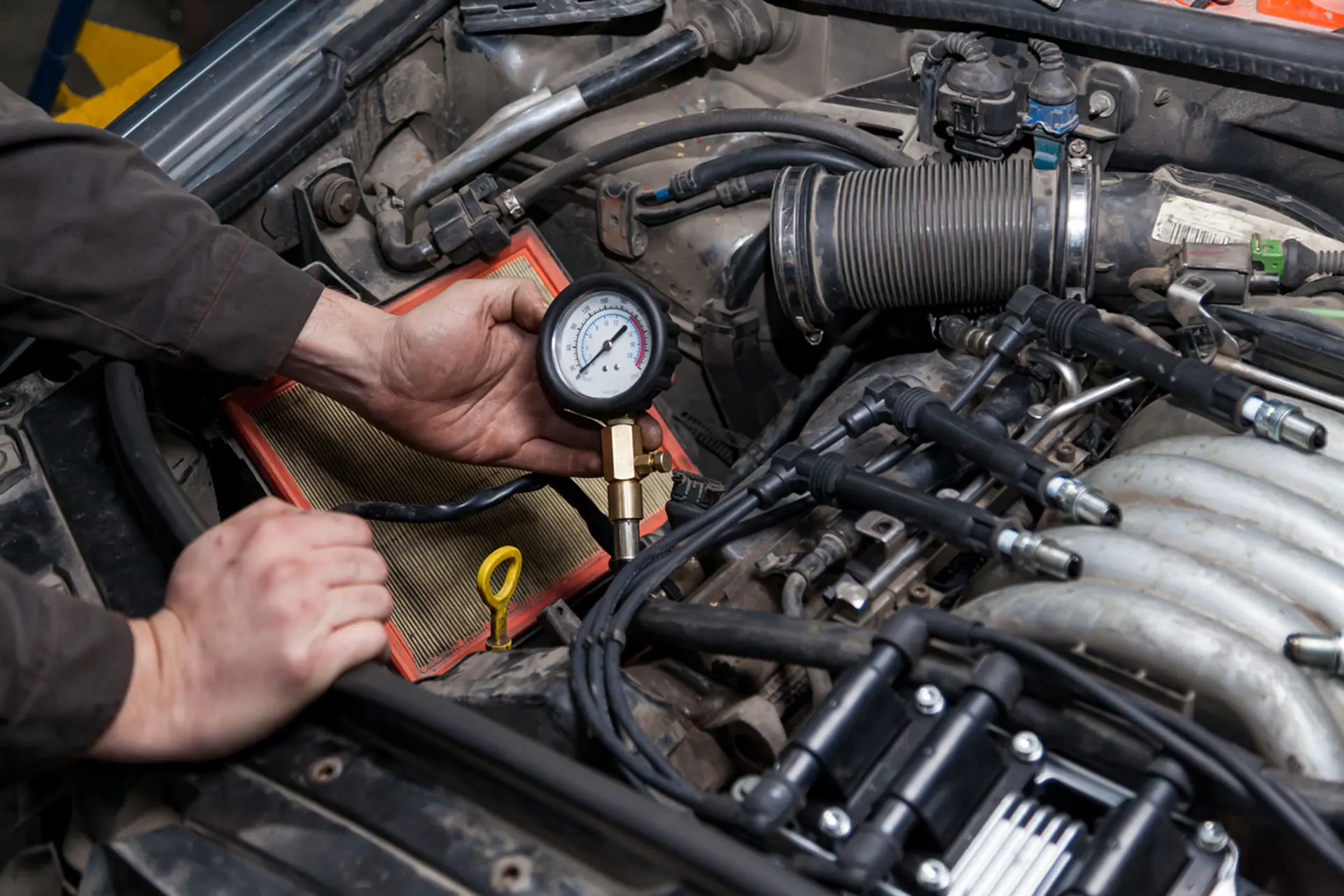
Diagnosing engine damage caused by low oil levels requires specialized tools and procedures. Professional mechanics often use compression tests to assess the condition of the engine’s cylinders, determining whether the valves, piston rings, and pistons are properly sealing the combustion chamber. Low compression is often due to leaking valves.
Oil analysis can also provide valuable insights into the engine's condition. By checking the engine oil for contaminants, metal particles, or signs of excessive wear, mechanics can identify potential issues and evaluate the severity of the damage.
Endoscopic camera inspection can be used to visually examine the internal components of the engine. This allows the mechanic to pinpoint specific areas of damage, such as scratched cylinder walls or worn bearings.