Your kidneys are quiet workhorses. They filter waste from your blood, balance fluids and electrolytes, help control blood pressure, and support red blood cell production. When kidney function declines, symptoms are often subtle at first - which is why many people don’t notice a problem until it’s more advanced.
Understanding the early warning signs can help you act sooner and protect long-term health.
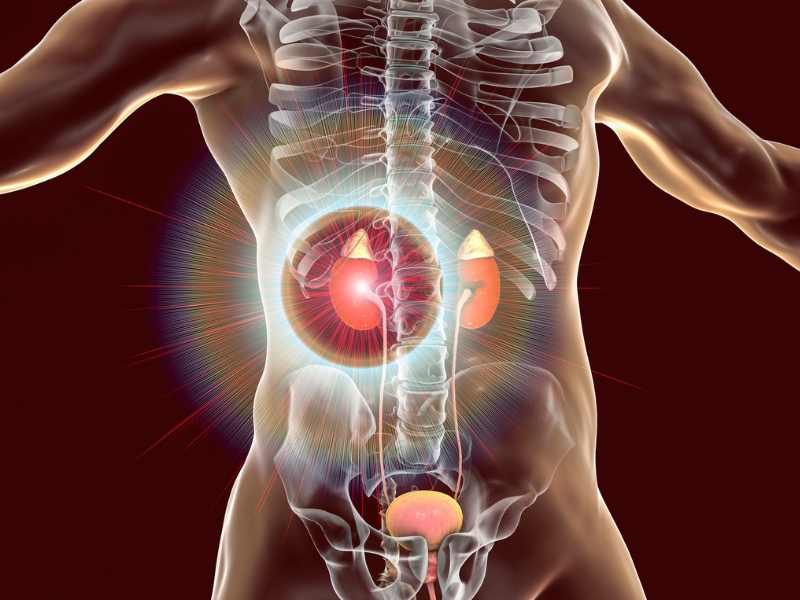
🧠 What the Kidneys Do (and Why It Matters)
Healthy kidneys:
- Remove toxins and excess fluid
- Keep sodium, potassium, and other minerals in balance
- Help regulate blood pressure
- Produce hormones that support bone and blood health
When these processes are disrupted, the effects can show up across the whole body.
⚠️ Common Early Signs to Watch For
1. Changes in Urination
Because kidneys produce urine, this is often the first place changes appear.
You might notice:
- Urinating more or less than usual
- Foamy or bubbly urine (can indicate protein)
- Dark, cloudy, or unusual-colored urine
- Waking at night to urinate more often
2. Persistent Fatigue
When kidneys don’t filter waste effectively, toxins can build up in the blood.
Result:
- Ongoing tiredness
- Difficulty concentrating
- Feeling low on energy even after rest
3. Swelling (Edema)
Poor kidney function can lead to fluid retention.
Common areas:
- Ankles and feet
- Hands
- Face (especially around the eyes)
4. Puffiness Around the Eyes
This can be related to protein loss in the urine, which affects fluid balance.

5. Dry, Itchy Skin
Mineral imbalances and toxin buildup can affect the skin.
Signs:
- Persistent itching
- Dry or flaky skin
6. Muscle Cramps
Electrolyte imbalances—especially low calcium or high phosphorus—can cause cramping.
7. Shortness of Breath
Fluid buildup can affect the lungs, or anemia (linked to kidney function) may reduce oxygen delivery.
8. Nausea or Loss of Appetite
Toxin buildup in the bloodstream can affect digestion and appetite.
9. Metallic Taste or Bad Breath
Waste accumulation can alter taste and cause an ammonia-like odor on the breath.
10. High Blood Pressure
Kidneys and blood pressure are closely connected. When one is affected, the other often is too.
🚨 When to Seek Medical Attention
Don’t ignore symptoms if:
- They persist or worsen over time
- Multiple symptoms appear together
- You have risk factors (see below)
Early testing (blood and urine) can detect issues before they become serious.
🧬 Who Is at Higher Risk?
You may be more at risk if you have:
- Diabetes
- High blood pressure
- A family history of kidney disease
- Long-term use of certain medications
- Poor diet or dehydration habits
🛡️ How to Support Kidney Health
✔️ Stay Hydrated
Adequate water helps kidneys filter waste efficiently.
✔️ Manage Blood Sugar and Blood Pressure
These are the two biggest factors in kidney health.
✔️ Eat a Balanced Diet
Focus on:
- Fresh vegetables and fruits
- Moderate protein intake
- Reduced salt and processed foods
✔️ Avoid Overuse of Painkillers
Certain medications can strain the kidneys when used frequently.
✔️ Stay Physically Active
Movement supports circulation and overall organ function.
💡 Final Thoughts
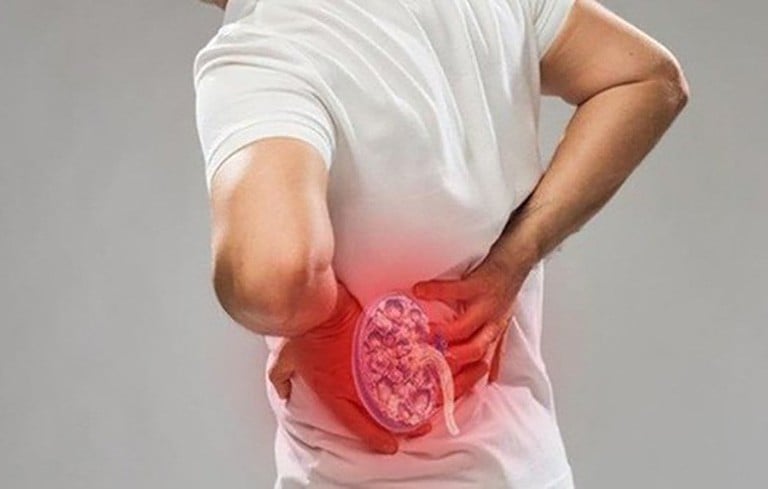
Kidney problems rarely start with obvious symptoms. Instead, the body gives small, repeated signals - changes in urination, energy, swelling, or skin condition.
The key is awareness. Not every symptom means kidney disease, but ignoring patterns can delay early detection.
If something feels off consistently, it’s worth checking. Because when it comes to kidney health, catching issues early can make all the difference.