Doctors Explain the Possible Causes of Skin Irritation During Sleep ⚠️
Waking up with itchy skin, redness, rashes, or irritation can be frustrating and uncomfortable. While occasional skin irritation during sleep may be harmless, doctors say persistent nighttime itching or skin reactions could sometimes point to underlying issues involving allergies, skin conditions, hygiene, or even the sleep environment itself.
Understanding the possible causes may help people reduce irritation and improve sleep quality.
Here are some common reasons experts say skin irritation may happen during sleep.
1. Allergic Reactions to Bedding
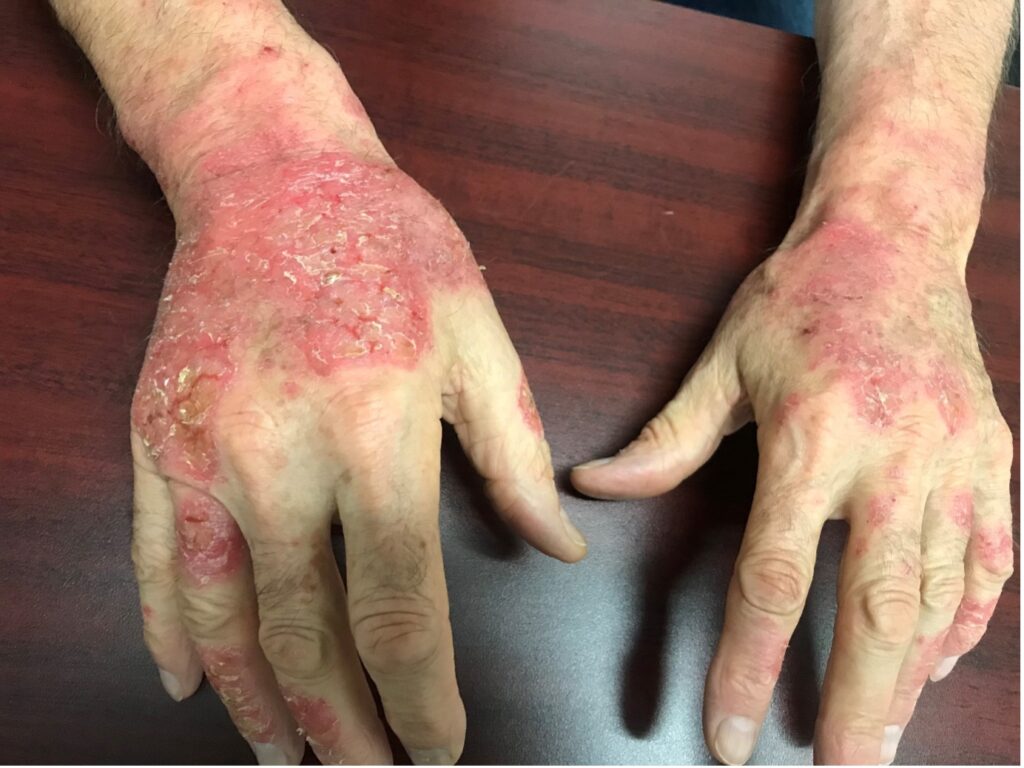
One of the most common causes of nighttime skin irritation is contact with allergens in bedding.
Possible triggers include:
- Dust mites
- Laundry detergent residue
- Fabric softeners
- Pet dander
- Certain fabrics
These allergens may irritate sensitive skin and lead to:
- Itching
- Red patches
- Sneezing
- Watery eyes
Doctors often recommend washing sheets regularly and using fragrance-free detergents for sensitive skin.
2. Dry Skin
Dry skin tends to worsen at night, especially in colder weather or low-humidity environments.
During sleep, the skin may lose moisture, leading to:
- Itching
- Flaking
- Tightness
- Cracking
Hot showers, harsh soaps, and dehydration may make symptoms worse.
Applying moisturizer before bedtime may help reduce dryness overnight.
3. Excessive Sweating During Sleep
Night sweating may irritate the skin and cause heat rash or discomfort.
Sweat trapped against the skin can lead to:
- Red bumps
- Itching
- Burning sensations
- Skin irritation in folds or under tight clothing
Doctors recommend breathable sleepwear and cooler room temperatures to reduce irritation.
4. Eczema or Dermatitis

People with eczema often notice symptoms becoming worse at night.
Eczema may cause:
- Intense itching
- Dry patches
- Inflamed skin
- Cracking or scaling
Doctors say nighttime itching can become more noticeable because there are fewer distractions during sleep.
Stress and allergens may also trigger flare-ups.
5. Bed Bugs or Insect Bites
In some cases, skin irritation during sleep may result from insect bites.
Bed bugs often bite exposed skin areas such as:
- Arms
- Legs
- Neck
- Back
Signs may include:
- Small itchy bumps
- Bite patterns in clusters or lines
- Redness and swelling
Doctors recommend checking mattresses, bedding, and furniture if bites are suspected.
6. Fungal or Skin Infections

Warm, moist conditions during sleep may sometimes encourage fungal growth or skin irritation.
Common fungal infections may affect:
- Feet
- Groin area
- Skin folds
Symptoms may include:
- Itching
- Redness
- Peeling skin
- Burning sensations
Keeping the skin clean and dry may help reduce risk.
7. Stress and Anxiety
Doctors say emotional stress can sometimes trigger or worsen skin irritation.
Stress may contribute to:
- Increased itching
- Hives
- Eczema flare-ups
- Scratching during sleep
Poor sleep itself may also worsen skin sensitivity.
Relaxation techniques and healthy sleep habits may help reduce symptoms in some people.
8. Reactions to Skincare Products
Certain nighttime skincare products may irritate sensitive skin.
Possible irritants include:
- Fragrances
- Alcohol-based products
- Strong exfoliants
- Retinoids
If irritation begins after using a new product, doctors recommend stopping use and monitoring symptoms.
When Should You See a Doctor?
Doctors recommend medical evaluation if skin irritation:
- Lasts more than a few weeks
- Becomes painful
- Causes swelling or infection
- Spreads rapidly
- Interferes with sleep regularly
- Occurs with fever or breathing problems
Persistent skin symptoms may require treatment or allergy testing.
Tips That May Help Reduce Nighttime Skin Irritation
Experts commonly recommend:
- Washing bedding weekly
- Using mild, fragrance-free soaps
- Moisturizing regularly
- Keeping bedrooms cool and clean
- Wearing breathable cotton clothing
- Avoiding harsh skincare products before bed
Simple lifestyle changes may improve both skin comfort and sleep quality.
The Bottom Line
Skin irritation during sleep can happen for many reasons, ranging from dry skin and allergies to eczema or environmental triggers. While mild irritation is often manageable, persistent symptoms should not be ignored.
Paying attention to your sleep environment, skincare habits, and overall health may help reduce nighttime discomfort and support healthier skin.
Sources
- American Academy of Dermatology
- Mayo Clinic – Itchy Skin Causes
- Cleveland Clinic – Eczema Overview
- National Eczema Association