Skin tags and warts are among the most common skin growths that people experience at some point in their lives. While they are usually harmless, they can sometimes cause discomfort, irritation, cosmetic concerns, or uncertainty about whether medical attention is needed.
Because skin tags and warts may look somewhat similar at first glance, many people assume they are the same condition. In reality, they have different causes, appearances, and treatment options. Understanding these differences can help individuals make informed decisions about managing them safely.
If you have noticed a small growth on your skin and are wondering what it might be, this guide explores the basics of skin tags and warts, available treatment options, and when it may be appropriate to consult a healthcare professional.
What Are Skin Tags?
Skin tags are small, soft growths that hang from the skin.
They Often Appear
-
On the neck
-
Under the arms
-
Around the eyelids
-
Beneath the breasts
-
In the groin area
Characteristics of Skin Tags
Skin tags are typically:
-
Soft
-
Flesh-colored
-
Small
-
Painless
-
Attached by a narrow stalk
Most skin tags are benign, meaning they are not cancerous.
Why Do Skin Tags Develop?
The exact cause is not always clear.
However, Skin Tags Are More Common In
-
Adults
-
Older individuals
-
People with skin folds
-
Individuals who experience frequent skin friction
Researchers believe repeated rubbing of skin surfaces may contribute to their development.
What Are Warts?
Warts are skin growths caused by infection with certain types of the human papillomavirus (HPV).
They May Appear On
-
Hands
-
Fingers
-
Feet
-
Knees
-
Face
-
Other areas of the body
Unlike skin tags, warts are caused by a viral infection.
Common Characteristics of Warts
Warts are often:
-
Rough
-
Raised
-
Firm
-
Irregular in texture
Some may contain tiny black dots, which are small blood vessels.
Different Types of Warts
Not all warts look the same.
Common Warts
Often appear on the fingers and hands.
Plantar Warts
Develop on the soles of the feet.
These may become painful due to pressure while walking.
Flat Warts
Smaller and smoother than common warts.
They often occur in groups.
Filiform Warts
Long, narrow projections that frequently appear on the face.
Are Skin Tags and Warts Dangerous?
In most cases, neither skin tags nor common warts are serious.
However
Any new or changing skin growth should be evaluated if there is uncertainty about the diagnosis.
Seek Medical Advice If You Notice
-
Rapid growth
-
Bleeding
-
Color changes
-
Pain
-
Persistent irritation
Professional evaluation helps ensure accurate diagnosis.
Do Skin Tags and Warts Go Away on Their Own?
The answer depends on the condition.
Skin Tags
Skin tags often remain unless removed.
Some may eventually fall off naturally, but this is not guaranteed.
Warts
Certain warts may disappear spontaneously as the immune system responds to the virus.
However, this process may take months or even years.
Treatment Option #1: Watchful Waiting
Not every skin tag or wart requires treatment.
If the Growth Is
-
Small
-
Painless
-
Not bothersome
Some people choose simply to monitor it.
This approach is particularly common for harmless skin tags.
Treatment Option #2: Over-the-Counter Wart Treatments
Various nonprescription products are available for wart treatment.
Common Ingredients Include
-
Salicylic acid
These products gradually remove layers of wart tissue.
Important Note
Over-the-counter wart treatments should only be used according to package instructions.
Treatment Option #3: Cryotherapy
Cryotherapy involves freezing the growth.
Commonly Used For
-
Warts
-
Certain skin lesions
How It Works
Extreme cold damages the targeted tissue, which eventually falls away.
Cryotherapy is often performed by healthcare professionals.
Treatment Option #4: Professional Skin Tag Removal
Healthcare providers may remove skin tags using several methods.
Examples Include
Surgical Removal
The tag is carefully cut away.
Cryotherapy
Freezing the tissue.
Electrocautery
Using heat to remove the growth.
These procedures are generally quick and performed in a clinical setting.
Treatment Option #5: Laser Treatments
In some situations, laser therapy may be used.
Potential Uses Include
-
Certain types of warts
-
Cosmetic skin concerns
Treatment decisions depend on the specific condition and location.
Home Remedies: What Does the Evidence Say?
Many home remedies are promoted online.
Examples Often Mentioned Include
-
Apple cider vinegar
-
Tea tree oil
-
Garlic
-
Banana peel applications
Important Considerations
Scientific evidence supporting many of these remedies remains limited.
Some may cause:
-
Skin irritation
-
Burns
-
Allergic reactions
Medical guidance is recommended before attempting home treatments.
Why Self-Diagnosis Can Be Risky
Not every skin growth is a wart or skin tag.
Other Conditions May Sometimes Resemble Them
Including:
-
Moles
-
Cysts
-
Skin cancers
-
Benign growths
Accurate diagnosis is important before pursuing treatment.
When You Should Avoid Home Removal
Never attempt to remove a skin growth at home if it is:
Located On
-
Eyelids
-
Face
-
Genital area
Or if it is:
-
Bleeding
-
Painful
-
Rapidly changing
Professional evaluation is the safest option.
Preventing Warts
Because warts are caused by a virus, prevention focuses on reducing exposure.
Helpful Practices Include
-
Avoiding direct contact with warts
-
Not sharing personal items
-
Wearing footwear in public showers
-
Maintaining healthy skin
These measures may reduce transmission risk.
Can Skin Tags Be Prevented?
There is no guaranteed way to prevent skin tags.
However
Reducing friction in susceptible areas may help.
Maintaining overall skin health may also be beneficial.
Common Myths About Skin Tags and Warts
Myth 1: Skin Tags Are Contagious
Skin tags are not contagious.
Myth 2: All Warts Are Dangerous
Most common warts are harmless.
Myth 3: Cutting Off a Skin Tag at Home Is Always Safe
Improper removal may cause infection or bleeding.
Myth 4: Every Skin Growth Is a Wart
Many skin conditions can resemble warts.
The Importance of Professional Evaluation
Dermatologists and healthcare providers are trained to identify skin conditions accurately.
Professional Assessment Can Help
-
Confirm diagnosis
-
Rule out serious conditions
-
Recommend appropriate treatment
-
Reduce complications
This is especially important for unusual or changing growths.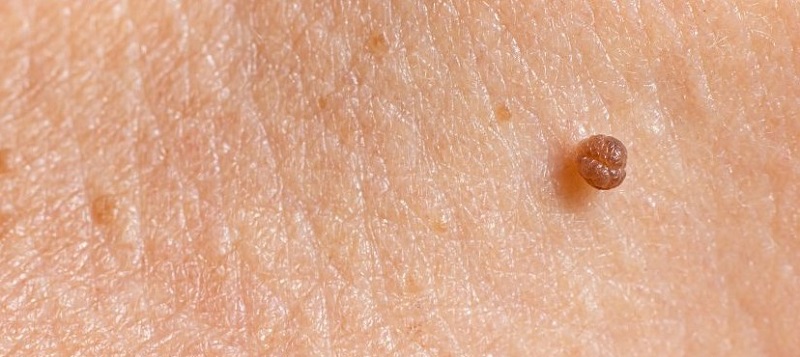
The Bigger Picture
Skin tags and warts are extremely common and, in most cases, are not a cause for alarm. However, understanding the differences between them helps ensure that treatment decisions are safe and appropriate.
The best approach often depends on factors such as location, size, symptoms, cosmetic concerns, and overall health.
Final Thoughts
Skin tags and warts affect millions of people and are usually harmless. Skin tags are soft, noncancerous growths that often develop in areas where skin rubs together, while warts are caused by viral infections and can appear in many different forms. Treatment options range from watchful waiting and over-the-counter products to professional procedures such as cryotherapy, surgical removal, and laser treatments.
Although many home remedies are widely discussed, not all are supported by strong scientific evidence, and some may cause irritation or injury. If a skin growth changes appearance, becomes painful, or raises concerns, consulting a healthcare professional is the safest way to obtain an accurate diagnosis and appropriate treatment.