🌙 A Common Habit With Mixed Opinions
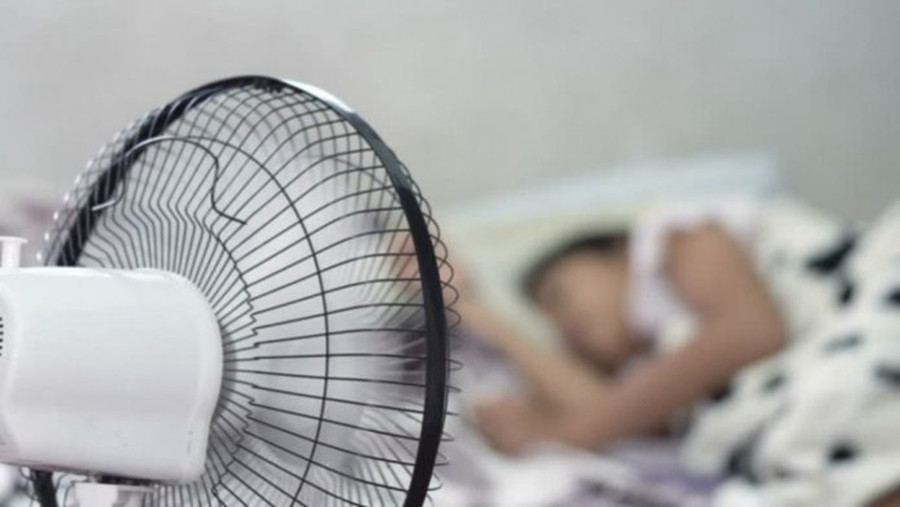
For many people, sleeping with a fan on is part of their nightly routine. The gentle hum, the cool breeze, and the feeling of fresh air can make falling asleep easier.
But some wonder:
Is it actually good for your body — or could it cause problems over time?
The truth lies somewhere in between. Let’s break it down clearly.

❄️ 1. Helps Regulate Body Temperature
One of the biggest benefits of sleeping with a fan is temperature control.
A cooler environment:
- Helps your body fall asleep faster
- Supports deeper sleep cycles
- Prevents overheating during the night
👉 Your body naturally lowers its temperature to initiate sleep — a fan helps that process.
😴 2. Improves Sleep Quality for Many People
The steady sound of a fan acts as white noise.
This can:
- Mask background sounds
- Reduce sleep disturbances
- Create a calming environment
👉 For light sleepers, this can be a game-changer.
💨 3. Promotes Air Circulation
A fan keeps air moving, which can:
- Prevent stuffiness
- Improve comfort in closed rooms
- Reduce the feeling of stale air
👉 Especially useful in humid or poorly ventilated spaces.
⚠️ 4. May Dry Out Your Skin and Airways
On the downside, constant airflow can lead to dryness.
Possible effects:
- Dry throat or mouth
- Irritated eyes
- Dry skin
👉 This is more noticeable if the fan is blowing directly at you.
🤧 5. Can Trigger Allergies
Fans can circulate dust, pollen, and other allergens in the room.
This may lead to:
- Sneezing
- Nasal congestion
- Irritated sinuses
👉 Regular cleaning of the fan is essential.
💪 6. Muscle Stiffness or Discomfort
Sleeping with cold air blowing directly on your body may cause:
- Muscle tightness
- Neck or shoulder stiffness
👉 Especially if you stay in one position for a long time.
🌡️ 7. Depends on How You Use It
The impact of sleeping with a fan largely depends on usage.
Better habits include:
- Not pointing the fan directly at your face or body
- Using a timer instead of running it all night
- Keeping a comfortable room temperature
👉 Small adjustments can reduce potential downsides.
⚖️ So, Is It Good or Bad?
There’s no one-size-fits-all answer.
For many people:
- It improves comfort and sleep quality
For others:
- It may cause dryness or irritation
👉 It all comes down to individual sensitivity and setup.

🛠️ Tips for Safe and Comfortable Use
- Clean your fan regularly to reduce dust
- Use indirect airflow
- Stay hydrated
- Combine with proper room ventilation
👉 Balance comfort with awareness.
🌱 Final Thoughts
Sleeping with a fan on isn’t inherently harmful — in fact, it can be very beneficial when used correctly.
The key is understanding how it affects your body and making small adjustments to suit your needs.
Because when it comes to sleep, comfort and quality go hand in hand.