A snake bite can be frightening, especially when you don't know whether the snake is venomous. In an emergency, however, the most important thing is staying as calm as possible and getting professional medical care quickly.
Not every snake bite results in envenoming. Some snakes are nonvenomous, and even venomous snakes may sometimes deliver a "dry bite" without injecting significant venom. Unfortunately, it is usually unsafe to assume that a bite is harmless simply because symptoms have not appeared yet.
Venom can affect the nervous system, muscles, blood clotting, or tissues around the bite. Some effects may develop gradually.
The safest approach is to treat a potentially venomous snake bite as a medical emergency until professionals determine otherwise.
:format(webp)/ran_can_can_lam_gi_khi_gap_vet_ran_can_1_2040f6c2f1.png)
1. Move Away From the Snake First
Your first priority is safety.
After a bite, move away from the snake to prevent another bite.
Do not attempt to catch, corner, kill, or handle the snake.
Even a snake that appears dead can potentially cause injury through reflex movements.
If you can do so safely from a distance, try to remember:
-
The snake's approximate size
-
Its general color and pattern
-
Its head shape
-
Where the bite occurred
-
Approximately when the bite happened
A photograph may be useful only if it can be taken safely from a distance.
Do not delay emergency treatment while trying to identify the snake.
2. Seek Emergency Medical Care Immediately
This is the most important step.
If there is any possibility that the snake was venomous, seek emergency medical care as quickly as possible.
Do not wait for symptoms to appear.
Depending on the type of venom, serious effects can develop over time, and some people initially feel relatively well.
Professional treatment may include:
-
Observation
-
Blood tests
-
Monitoring of breathing and heart function
-
Wound assessment
-
Pain management
-
Antivenom when medically indicated
-
Supportive treatment for complications
Antivenom is a specialized medical treatment and should be administered by trained healthcare professionals.
3. Keep the Person as Still and Calm as Possible
Movement can potentially increase circulation and the spread of venom through the body.
After a suspected venomous bite:
-
Sit or lie down if possible.
-
Keep the bitten limb still.
-
Avoid unnecessary walking.
-
Try to remain calm.
-
Remove unnecessary jewelry or tight clothing near the affected limb.
The goal is to minimize movement while waiting for medical assistance.
4. Immobilize the Bitten Limb
If the bite is on an arm or leg, keeping the limb relatively still can be helpful.
A simple splint or support may be used to prevent unnecessary movement, provided it does not delay evacuation or medical care.
The limb should not be tightly bound in a way that cuts off circulation.
If trained medical personnel have instructed you to use a specific pressure-immobilization technique for the suspected snake species and local protocol, follow their instructions.
Because first-aid recommendations vary depending on the type of snake and local medical guidance, avoid improvising complicated techniques.
5. Remove Rings, Watches, and Tight Items
Swelling may develop around the bite.
Before significant swelling occurs, remove:
-
Rings
-
Bracelets
-
Watches
-
Tight shoes
-
Tight clothing
This can prevent these items from becoming constrictive as the affected area swells.
Do this gently and avoid unnecessary movement of the bitten limb.
6. Keep Track of the Time
Try to remember approximately when the bite occurred.
Write it down if possible.
Also note:
-
Where the bite occurred
-
When swelling began
-
Whether pain is increasing
-
Any new symptoms
This information can help medical professionals assess how the condition is progressing.
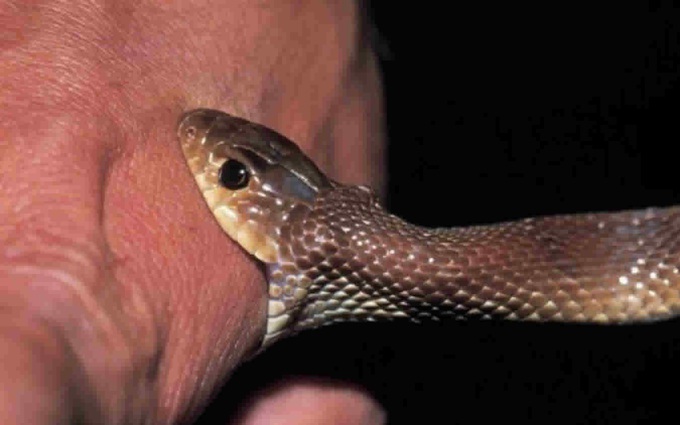
7. Watch for Symptoms—But Don't Wait for Them
Symptoms vary considerably depending on the snake and the venom.
Possible symptoms include:
Local Symptoms
-
Pain
-
Swelling
-
Redness
-
Bruising
-
Blistering
-
Bleeding
-
Tissue damage
Neurological Symptoms
Some snake venoms can affect the nervous system.
Possible signs include:
-
Drooping eyelids
-
Blurred or double vision
-
Difficulty speaking
-
Difficulty swallowing
-
Weakness
-
Muscle paralysis
-
Difficulty breathing
Systemic Symptoms
Other possible symptoms include:
-
Nausea
-
Vomiting
-
Dizziness
-
Sweating
-
Abdominal pain
-
Weakness
-
Confusion
-
Abnormal bleeding
The absence of symptoms early on does not reliably prove that there is no envenoming.
8. Breathing Problems Are Especially Serious
Some snake venoms can interfere with the muscles involved in breathing.
Warning signs include:
-
Difficulty breathing
-
Shortness of breath
-
Trouble swallowing
-
Weak voice
-
Drooping eyelids
-
Increasing muscle weakness
If breathing becomes difficult, emergency medical assistance is critical.
If the person becomes unconscious and is not breathing normally, trained rescuers should begin appropriate resuscitation while emergency services are contacted.
9. What NOT to Do: Don't Cut the Bite
One of the most persistent snake-bite myths is the idea that you should cut the wound to let venom escape.
Do not cut the bite.
Cutting the skin can:
-
Cause additional bleeding
-
Damage nerves and blood vessels
-
Introduce infection
-
Make the wound worse
It does not provide a reliable way to remove venom from the body.
10. Don't Suck Out the Venom
Do not attempt to suck venom from the wound with your mouth.
This method is ineffective and can introduce bacteria into the wound.
Commercial suction devices are also not recommended as a substitute for proper medical treatment.
The priority should be rapid medical evaluation.
11. Don't Apply a Tight Tourniquet
A tight tourniquet can severely restrict blood flow.
This may cause additional tissue damage and can potentially result in serious complications.
Do not improvise a tourniquet unless specifically instructed by trained medical professionals using an appropriate protocol.
12. Don't Apply Ice Directly to the Bite
Ice does not neutralize snake venom.
Direct application of ice can damage already vulnerable tissue, particularly when circulation is compromised.
Instead, focus on keeping the affected limb still and getting medical care.
13. Don't Use Alcohol or Traditional Remedies
Do not pour alcohol, chemicals, herbal preparations, or other substances onto the wound.
Avoid applying:
-
Bleach
-
Chemicals
-
Plant extracts
-
Unknown powders
-
Essential oils
-
Irritating substances
These treatments do not remove venom and may cause additional tissue injury.
Traditional remedies should not delay professional medical treatment.
14. Don't Try to Capture the Snake
Trying to catch the snake can result in another bite.
Even if identifying the snake would be useful, your safety comes first.
If someone can safely take a photograph from a considerable distance, that image may help medical professionals identify the species.
But a blurry or uncertain identification is not a reason to delay treatment.
15. Don't Give the Person Alcohol
Alcohol is not a treatment for snake venom.
It may also impair judgment and complicate the person's condition.
Instead, follow instructions from emergency medical professionals.
16. Don't Give Food or Drink Without Medical Guidance
Depending on the situation, the person may require urgent procedures or may develop difficulty swallowing.
It's generally safer to avoid giving food or drink while waiting for emergency evaluation unless healthcare professionals advise otherwise.
17. Don't Let the Person Walk if It Can Be Avoided
Walking or unnecessary physical activity can increase circulation and movement.
If possible, keep the person resting and arrange transportation or emergency assistance.
Do not put yourself or the victim at risk by attempting unsafe transportation.
18. What About Pressure Bandaging?
This topic requires particular caution.
A pressure-immobilization technique is used in some regions for specific types of neurotoxic snake bites and is part of established first-aid protocols in certain countries.
However, it is not appropriate for every snake bite.
For bites involving significant local tissue damage, a tight pressure bandage can potentially worsen problems.
Therefore, follow the protocol recommended by your local emergency medical authorities for the snakes found in your region.
If you're not trained in the technique, don't improvise a tight compression bandage.
19. What Happens at the Hospital?
When the patient arrives at a medical facility, doctors may evaluate:
-
Vital signs
-
Breathing
-
Neurological function
-
Blood clotting
-
Kidney function
-
The bite site
-
Progression of swelling
-
Other laboratory abnormalities
The patient may be monitored for several hours because some venom effects can take time to develop.
20. When Is Antivenom Used?
Antivenom is not automatically given for every snake bite.
It may be considered when there is evidence of significant envenoming.
Depending on the species and venom, indications may include:
-
Progressive neurological symptoms
-
Significant bleeding or abnormal clotting
-
Severe systemic symptoms
-
Rapidly progressive swelling
-
Cardiovascular complications
-
Other evidence of clinically important envenoming
The specific antivenom depends on the snake species and geographic region.
Doctors must weigh potential benefits and risks because antivenom can itself cause serious allergic reactions in some cases.
21. Can a Snake Bite Cause Permanent Damage?
Unfortunately, serious envenoming can sometimes result in long-term complications.
Depending on the venom, complications may involve:
-
Nerve damage
-
Muscle injury
-
Kidney injury
-
Tissue death
-
Loss of function
-
Scarring
-
Amputation in severe cases
Early medical treatment can be extremely important in reducing complications.
This is another reason not to wait until symptoms become severe.
22. What If the Snake Was Probably Nonvenomous?
Even if you believe the snake wasn't venomous, the wound still needs appropriate care.
A bite can cause:
-
Puncture wounds
-
Infection
-
Tissue damage
-
Tetanus risk
If you're uncertain about the species, treat the situation cautiously and seek medical advice.
23. Tetanus Protection Matters
Animal bites can introduce bacteria into wounds.
Depending on the wound and vaccination history, a healthcare professional may recommend a tetanus booster or other preventive treatment.
Don't assume that because the wound looks small, it doesn't require evaluation.
24. Don't Assume a Small Bite Means a Small Problem
The size of the bite does not necessarily indicate the amount of venom delivered.
Some dangerous snake bites can initially look relatively minor.
Similarly, significant swelling or pain does not automatically mean severe envenoming.
The appearance of the wound alone cannot reliably determine the severity.
25. Children and Older Adults May Need Extra Attention
Children have a smaller body mass, so a given amount of venom can potentially represent a greater dose relative to body size.
Older adults may also have underlying:
-
Heart disease
-
Kidney disease
-
Blood vessel disease
-
Medication use
These factors can influence treatment and complications.
For these groups, prompt medical evaluation is especially important.
26. What if the Person Is Alone?
If you've been bitten while alone:
-
Move away from the snake.
-
Call emergency medical services or contact someone who can help.
-
Avoid unnecessary movement.
-
Stay in a safe location.
-
Keep the affected limb still if possible.
-
Follow instructions from emergency personnel.
Don't spend valuable time trying to identify the snake or perform complicated home treatments.
27. Prevention Is Better Than Treatment
If you live or travel in an area where venomous snakes are present, several precautions can reduce risk.
When outdoors:
-
Wear appropriate footwear.
-
Use a flashlight at night.
-
Avoid reaching into holes or piles of debris.
-
Be cautious around rocks and vegetation.
-
Keep yards and outdoor areas reasonably clear.
-
Don't handle snakes.
-
Teach children not to approach wildlife.
Snakes generally prefer to avoid humans, and many bites occur when people accidentally encounter or attempt to handle them.
28. Be Careful at Night
Some snake encounters occur when visibility is poor.
Before stepping outside at night:
-
Turn on outdoor lights.
-
Use a flashlight.
-
Watch where you place your hands and feet.
-
Avoid walking barefoot in areas where snakes may be present.
A few seconds of caution can prevent a potentially dangerous encounter.
29. Don't Believe Every Snake-Bite "Hack" Online
Social media contains many traditional snake-bite remedies, including:
-
Cutting the wound
-
Sucking venom
-
Applying herbs
-
Drinking alcohol
-
Applying ice
-
Burning the wound
-
Using a tight tourniquet
These methods can cause additional harm and delay effective treatment.
The safest modern approach is much simpler:
Get away from the snake, minimize movement, and obtain professional medical care as quickly as possible.
A Simple Emergency Checklist
If someone is bitten by a potentially venomous snake:
DO
-
Move away from the snake.
-
Call emergency medical services.
-
Keep the person calm.
-
Minimize movement.
-
Keep the bitten limb still.
-
Remove rings and tight items.
-
Record the time of the bite.
-
Observe symptoms.
-
Follow instructions from medical professionals.
DON'T
-
Don't catch or kill the snake.
-
Don't cut the wound.
-
Don't suck out venom.
-
Don't apply ice directly.
-
Don't use a tight improvised tourniquet.
-
Don't apply chemicals or unknown remedies.
-
Don't drink alcohol as treatment.
-
Don't delay medical care while trying home remedies.
The Bottom Line
A snake bite should be taken seriously, especially when the species is unknown or potentially venomous.
The most important treatment is professional medical evaluation—not a home remedy.
Move away from the snake, keep the person calm and as still as possible, immobilize the affected limb when appropriate, remove constricting items such as rings, and seek emergency medical care immediately.
Avoid cutting the wound, sucking venom, applying ice, using chemicals or traditional remedies, or attempting to capture the snake.
Even if the person initially feels fine, symptoms can develop later. Do not wait for severe symptoms before seeking help.
Final Thoughts
A snake bite can trigger panic, and that panic can make people reach for familiar but potentially dangerous remedies. The best response is actually much simpler.
Don't try to fight the venom yourself.
Protect the person from another bite, minimize movement, seek professional medical care, and let trained healthcare professionals determine whether venom was injected and whether antivenom or other treatment is necessary.
If a snake can be photographed safely from a distance, that information may help medical teams—but never risk another bite to identify or capture it.
When it comes to snake bites, the first few decisions matter. Staying calm, avoiding harmful first-aid myths, and getting medical attention quickly are among the most important things you can do.