The safest response is to remain as calm as possible, move away from the snake, limit the victim's movement, and arrange emergency medical care without delay.
Step away from the snake
The first priority is to prevent another bite. If the snake is still nearby, move away slowly when it is safe to do so. Do not attempt to pick it up, push it away with your hands, or corner it. A snake that feels threatened may strike again.
Once the victim is at a safe distance, encourage them to sit or lie down. Running, walking long distances, or struggling unnecessarily can increase physical exertion. Depending on the type of venom, movement may contribute to the spread of venom through the body.
If the bite occurs in an isolated location, call the local emergency number or arrange transport to an appropriate medical facility. Follow the emergency operator's instructions and explain that a snake bite is suspected.
Keep the victim still
Movement should be minimized while help is being arranged. If the bite is on an arm or leg, support the affected limb in a comfortable position. Avoid unnecessary bending, repeated examination, or vigorous handling of the wound.
Remove rings, watches, bracelets, tight shoes, or other restrictive items near the affected area before swelling develops, provided they can be removed gently. Swelling may increase over time, and jewelry or tight clothing can become difficult to remove later.
Do not massage the limb or encourage the victim to walk to a vehicle if assistance can be provided safely. If the victim must be moved, follow emergency personnel's advice whenever possible.
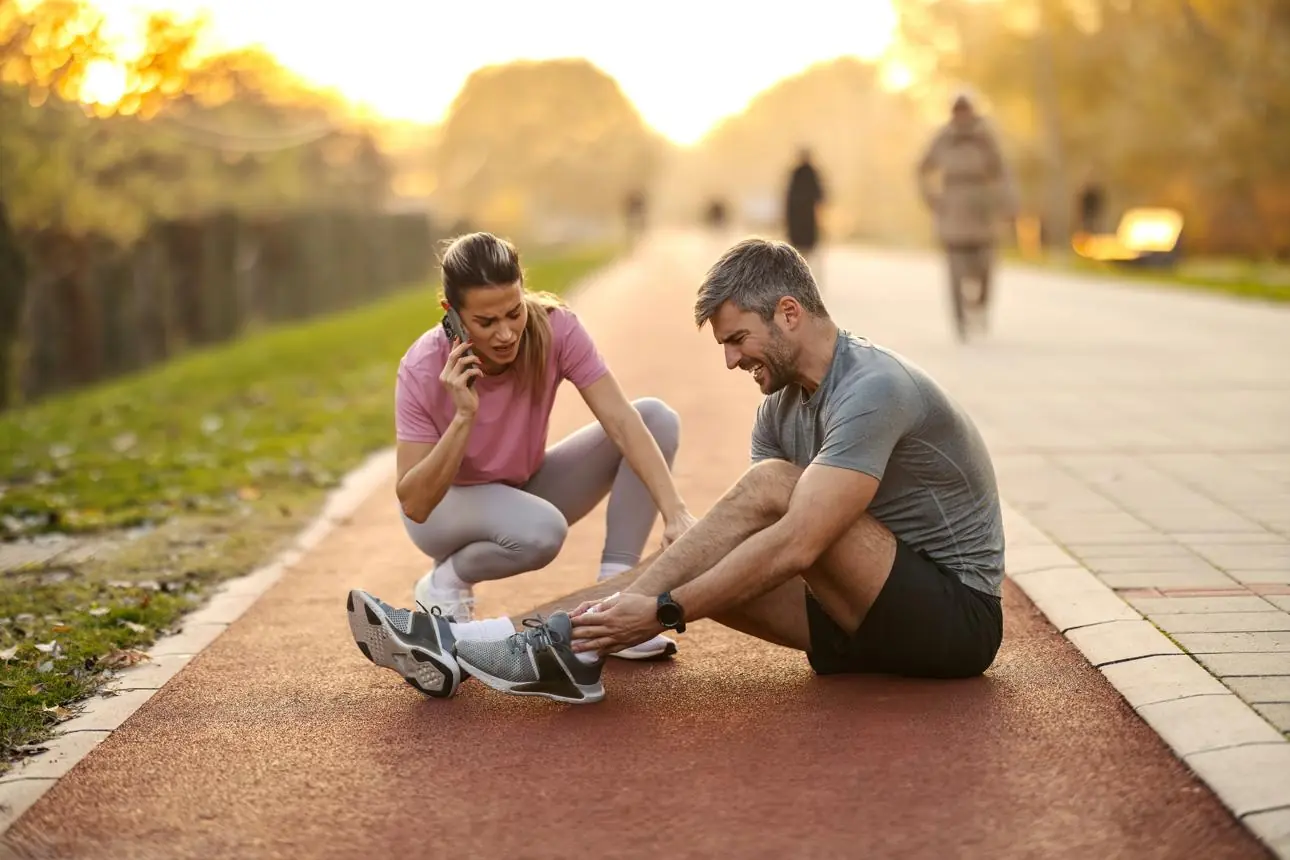
Call for medical assistance immediately
Do not wait until the victim experiences severe pain, major swelling, or difficulty breathing. Some dangerous snake bites produce few early symptoms, while other bites cause symptoms that develop over several hours.
When contacting emergency services, provide the location, the approximate time of the bite, the affected body part, and any symptoms that have appeared. Mention whether the victim is conscious and breathing normally. If the person develops weakness, vomiting, unusual bleeding, difficulty swallowing, or breathing problems, communicate these changes immediately.
If an ambulance is available, it is generally preferable to use professional emergency transport rather than allowing the victim to drive themselves. If emergency services are inaccessible, seek the safest available way to reach medical care and follow qualified medical advice.
Do not cut, suck, or burn the wound
One of the most persistent myths about snake bites is that venom should be removed by cutting the skin or sucking on the puncture marks. These actions do not provide a reliable way to remove venom that has entered the body's tissues and circulation.
Cutting the wound can cause additional bleeding, tissue injury, and infection. Sucking the wound can injure the mouth and contaminate the area. Burning the skin or applying chemicals may worsen the injury without neutralizing the venom.
Likewise, do not apply ice directly to the bite, use electric shocks, or attempt other painful procedures. These methods can delay appropriate treatment and introduce new complications.
Why tight tourniquets are dangerous
A tight tourniquet is sometimes recommended in folk remedies as a way to stop venom from spreading. However, restricting blood flow can damage nerves, muscles, and other tissues. Releasing a prolonged, tight tourniquet may also create additional complications.
Do not tightly tie a rope, belt, cord, or strip of fabric around the affected limb. Pressure immobilization bandaging is a different technique that may be recommended for certain snake species and regional circumstances, particularly where neurotoxic venom is involved. It must be used according to appropriate local first-aid guidance because it is not suitable for every snake bite.
If you are unsure which method is appropriate, prioritize stillness, safe positioning, and urgent medical assistance rather than improvising a bandage.
Keep the victim reassured
An injured person may panic, tremble, cry, or insist that they are fine. Speak slowly and explain that help is being arranged. Reassurance cannot neutralize venom, but it can reduce unnecessary movement and make it easier to observe changes in the person's condition.
Do not give alcohol, recreational drugs, or unprescribed medication as a remedy. Avoid food and drink if the person has difficulty swallowing, is becoming drowsy, or may need urgent procedures; follow the emergency operator's advice.
If the person becomes unconscious but continues to breathe normally, maintain their airway and follow emergency instructions. If they are not breathing normally, begin CPR and use an automated external defibrillator if available and indicated, following dispatcher guidance.
The first minutes are not about identifying every detail of the snake or treating the wound at home. They are about preventing further injury, minimizing movement, and getting the victim to professional care as quickly and safely as possible.
Chapter 3: Warning Signs That Require Urgent Medical Attention
A snake bite can look deceptively minor at first. Two tiny punctures may be the only visible evidence, yet the effects of venom can develop beneath the skin or affect organs throughout the body. In other cases, a painful wound may result from a non-venomous snake and cause no systemic poisoning.