Because these situations can look similar during the early stages, symptoms should be interpreted by medical professionals rather than used to decide whether treatment is necessary.
Local changes around the bite
Pain, swelling, redness, tenderness, and bruising are common findings after many snake bites. The severity varies considerably. Swelling may spread beyond the original puncture marks, and the affected area can become increasingly uncomfortable.
Some venoms damage tissue and may cause blistering, discoloration, or areas of tissue injury. Bleeding from the wound may occur, but the amount of visible blood does not reliably indicate the severity of envenoming.
If swelling is progressing rapidly, jewelry or tight clothing should already have been removed where possible. Do not repeatedly press the wound, puncture blisters, or attempt to drain fluid. Keep the limb supported and report changes to the emergency team.
A person should not assume that a bite is harmless simply because there is little pain or no obvious swelling. Certain species can produce serious effects before prominent local changes develop.
Symptoms affecting the whole body
Venom may affect systems beyond the bite site. Warning signs can include:
-
Nausea, vomiting, abdominal discomfort, or unusual sweating.
-
Dizziness, faintness, marked weakness, or collapse.
-
Unusual bruising, bleeding from the gums, or persistent bleeding from a wound.
-
Drooping eyelids, blurred vision, double vision, or difficulty focusing.
-
Trouble speaking, swallowing, or holding up the head.
-
Muscle weakness, difficulty walking, or paralysis.
-
Dark or unusually colored urine, which may indicate muscle injury or other complications.
-
Difficulty breathing, which is a medical emergency.
These symptoms do not all occur with every species. Some bites primarily affect blood clotting, while others may cause neurological problems or muscle damage. A victim may initially feel relatively well and then deteriorate.
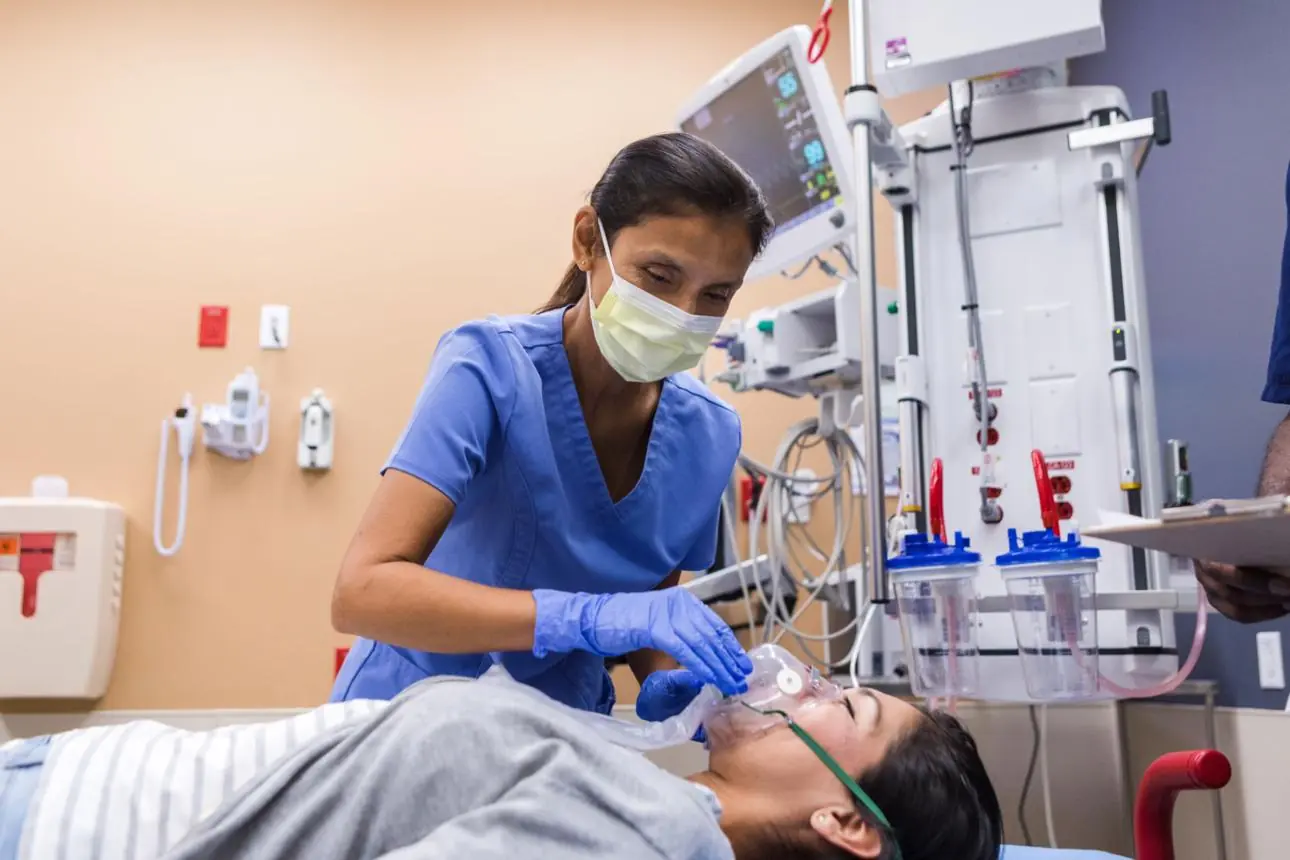
Breathing problems are an immediate emergency
Difficulty breathing, inability to swallow saliva, rapidly worsening weakness, or reduced consciousness requires immediate emergency attention. Some snake venoms interfere with the nerves that control muscles, including those responsible for breathing.
Do not wait for the victim to become completely unable to breathe before seeking help. Tell emergency services about any change in speech, swallowing, eyelid movement, or breathing pattern.
If breathing becomes abnormal, follow the emergency dispatcher's instructions. Do not give water, food, or oral medication to someone who cannot swallow safely.
Why symptoms may appear gradually
The effects of a snake bite depend on several factors, including the species, venom composition, amount injected, bite location, and the victim's health. Symptoms may begin quickly or evolve over time.
A dry bite, in which little or no venom is injected, may cause local injury without systemic poisoning. However, it is difficult to confirm a dry bite without appropriate clinical assessment and observation.
Medical teams may monitor vital signs, neurological function, swelling, blood clotting, kidney function, and other indicators according to the suspected species and clinical findings. Repeated assessment can be important because one examination may not reveal the full picture.
Why a photograph of the bite is not enough
A photograph can help document the appearance of the wound, but it cannot show how venom is affecting the blood, nerves, muscles, or internal organs. Nor can the image reliably establish which snake caused the injury.
Bite marks can also change as swelling develops. Lighting, camera angle, skin tone, and wound location can make the same injury look different in different photographs.
If it is safe, a record of the approximate bite time and changes in symptoms can be helpful. Do not delay medical transport to take pictures or measure the wound repeatedly.
Avoid waiting for a familiar symptom
There is no single symptom that reliably separates harmless bites from dangerous ones. Some people expect a venomous bite to produce immediate intense pain or two obvious fang marks. Others believe the absence of bleeding means venom was not injected. Neither assumption is dependable.
The safest course is to seek urgent professional evaluation after any suspected snake bite, even if the wound appears small and the person feels normal. If symptoms worsen while waiting for help, notify emergency services immediately.
Recognizing warning signs is valuable, but it should never become a reason to monitor a potentially dangerous bite at home instead of obtaining medical care.
Chapter 4: What Medical Professionals Do to Treat a Snake Bite
Once a person reaches a medical facility, the goal is to determine whether venom has been injected, identify any developing complications, and provide treatment appropriate to the suspected snake species and the victim's condition. The treatment plan may differ considerably depending on the region, because different snakes produce different types of venom.
Prompt medical assessment is important even when the bite initially appears mild.
The first medical assessment
Healthcare professionals typically begin by checking the patient's breathing, circulation, blood pressure, heart rate, and level of consciousness. They ask when the bite occurred, where it happened, which body part was affected, and whether symptoms have changed since the incident.
The medical team may examine the wound, assess swelling, check muscle strength and neurological function, and look for evidence of abnormal bleeding. If the circumstances suggest venom exposure, blood and urine tests may be ordered to assess complications affecting clotting, the kidneys, or muscles.