Snakes Showing Up Around Your Home? These 5 Plants Could Be Part of the Reason

5 Plants to Watch If You Don’t Want Snakes Around Your Home

Chapter 2

Theme:
Font Size:
24px

This is often overlooked.

Suppose you have a thick garden beside the house.

You see a snake.

It's tempting to conclude:

“The plant attracted the snake.”

But another explanation may be more accurate.

The vegetation provides shelter for mice.

The mice are attracted by spilled birdseed.

The snake follows the mice.

In that situation, the plant is only one piece of the chain.

The same thing can happen with frogs.

A garden pond or consistently wet area attracts frogs.

A snake that eats frogs may then visit the same area.

Understanding this chain can help you address the real reason for repeated encounters.

How to Make Your Yard Less Attractive to Snakes

You don't need to remove every plant.

Instead, focus on reducing shelter, food, and easy access.

Keep vegetation managed

Trim heavily overgrown areas so you can see the ground more easily.

Remove unnecessary clutter

Stacks of boards, unused containers, piles of debris, and other objects can create excellent hiding places.

Manage rodents

Store animal feed and birdseed in secure containers.

Clean up spilled food.

Seal potential entry points around buildings.

Keep grass under control

Regular mowing can improve visibility around frequently used areas.

Reduce unnecessary moisture

Repair leaking faucets, hoses, and irrigation systems.

Avoid allowing water to collect around structures.

Store firewood carefully

Keep wood elevated when practical and away from the immediate foundation of the house.

Seal gaps

Inspect doors, vents, foundations, and other potential entry points.

A snake may be able to exploit surprisingly small openings.

What About Snake-Repellent Plants?

You may have heard claims that certain plants automatically repel snakes.

Mint, marigolds, lemongrass, garlic, and other strongly scented plants are frequently mentioned online.

The evidence for using individual plants as reliable snake repellents is limited.

A strong smell may affect an animal's behavior under certain circumstances, but planting one species does not create a guaranteed snake-proof barrier.

If snakes are repeatedly entering your property, physical exclusion and habitat management are generally more dependable strategies than relying on a particular scent.

Don't Use Dangerous Chemicals

When people become frightened by snakes, they may search for stronger solutions.

That can lead to dangerous advice involving mothballs, pesticides, fuel, or other chemicals.

These substances can create risks for:

  • Children

  • Pets

  • Wildlife

  • Soil

  • Water

  • People applying them

Mothballs, in particular, are not an appropriate general-purpose snake repellent.

They contain pesticides intended for specific uses and can be harmful when misused.

A better strategy is to remove shelter and food sources and prevent access to buildings.

What If You Actually Find a Snake?

The safest response is usually to keep your distance.

Don't attempt to grab it.

Don't corner it.

Don't try to identify it by getting close.

Don't use your hands or a short tool to move it.

Even if you believe the snake is harmless, misidentification can happen.

Keep children and pets away and allow the animal a clear path to move away when possible.

If it is inside your home or trapped in an area where it cannot safely leave, contact an appropriate local wildlife or animal-control service for assistance.

Not Every Snake Is Dangerous

This is another important distinction.

Many snake species are nonvenomous and play useful ecological roles.

They may help control rodents and other populations.

However, you should never handle an unfamiliar snake simply because you believe it is harmless.

Snake species vary considerably by region.

If you live in an area with venomous species, identification should be left to someone with appropriate expertise.

10 loại cây vô tình "gọi" rắn tới nhà: Nhiều gia đình trồng mà không biết

When a Snake Bite Occurs

If someone is bitten by a snake that may be venomous, treat the situation as a medical emergency.

Seek emergency medical care immediately.

Keep the person as calm and still as possible while waiting for professional help.

Avoid attempting to suck out venom, cut the wound, apply a tourniquet, or use other traditional remedies that can cause additional injury.

If it can be done safely from a distance, a photograph of the snake may help professionals identify it—but do not risk another bite trying to capture or approach the animal.

A Better Way to Think About Your Garden

The question shouldn't simply be:

“Which plant attracts snakes?”

A more useful question is:

“What conditions around my plants are making this area attractive to wildlife?”

That shift can completely change how you manage the problem.

A dense shrub may provide shelter.

A fallen fruit may attract rodents.

A leaking hose may create moisture.

A pile of wood may create a hiding place.

Together, those features can create a surprisingly attractive habitat.

Remove enough of those conditions, and your property may become less appealing to snakes without sacrificing the garden itself.

Final Thoughts

Seeing snakes around your home can certainly be unsettling, but the idea that five specific plants automatically “attract snakes” is too simplistic.

Plants generally don't function as magical snake magnets.

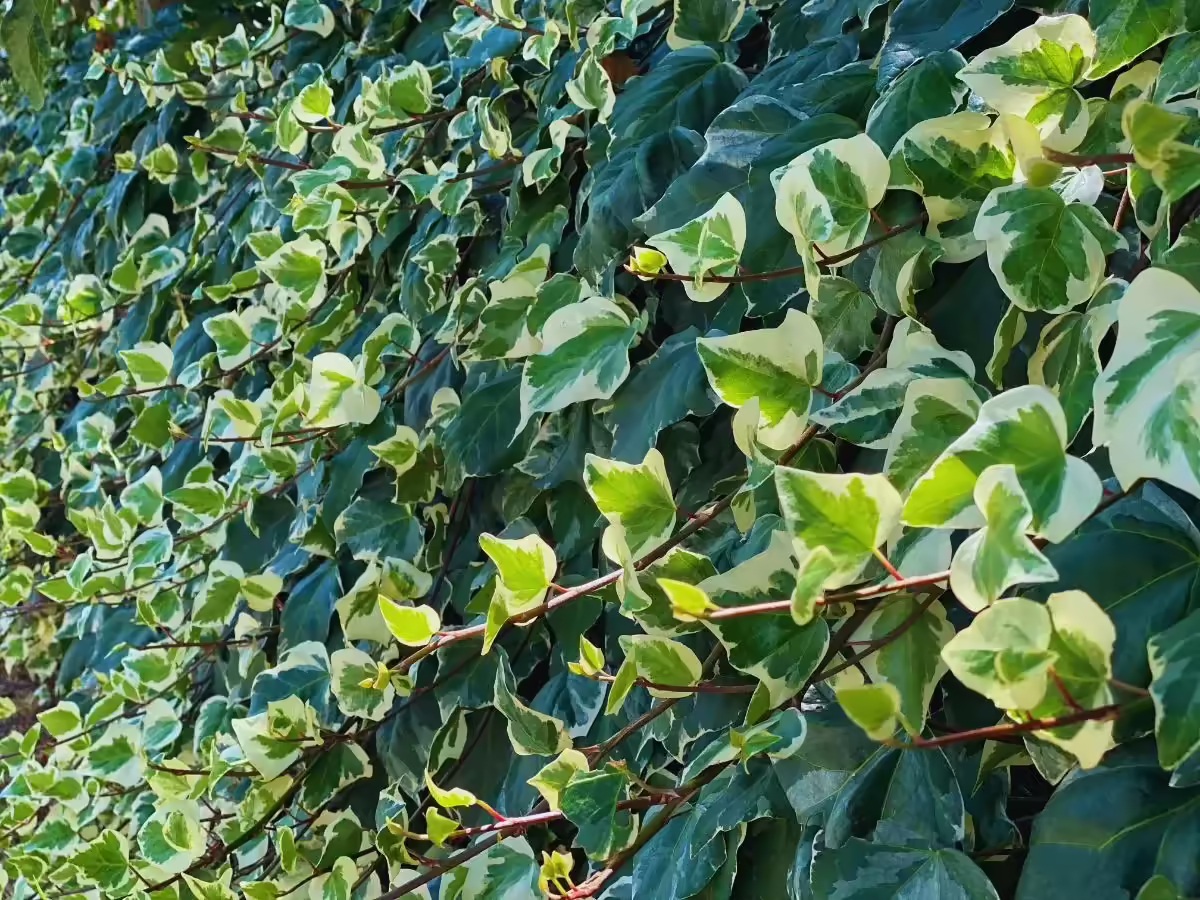
Instead, dense vegetation, ground cover, tall grasses, shrubs, climbing plants, and other landscaping features can sometimes provide shade, shelter, moisture, or habitat for prey animals.

And those conditions can make an area more attractive to snakes.

If you are experiencing repeated snake sightings, look beyond individual plants.

Control rodent food sources. Keep vegetation manageable. Remove unnecessary clutter. Reduce excess moisture. Maintain visibility around your home. Seal gaps that could provide access to buildings.

These measures address the environmental conditions that matter far more than simply removing a particular plant.

And remember: a snake in your yard isn't automatically a sign of danger.

It may simply be passing through an environment that provides food or shelter.

The goal isn't necessarily to eliminate every snake from your surroundings. It's to make your home and the areas where people spend time less attractive as hiding and feeding locations—while keeping both people and wildlife safe.

News in the same category

Snakes Showing Up Around Your Home? These 5 Plants Could Be Part of the Reason

2 Part