Stomach cancer (also called gastric cancer) is one of the most dangerous cancers largely because it is often silent in the early stages. Many people don’t feel anything unusual until the disease has progressed, which is why doctors frequently say it’s “found too late.” The good news is that your body may still send subtle warning signals—especially after you eat. If these symptoms appear repeatedly, doctors recommend paying attention and considering an early endoscopy, which can detect problems before they become life-threatening.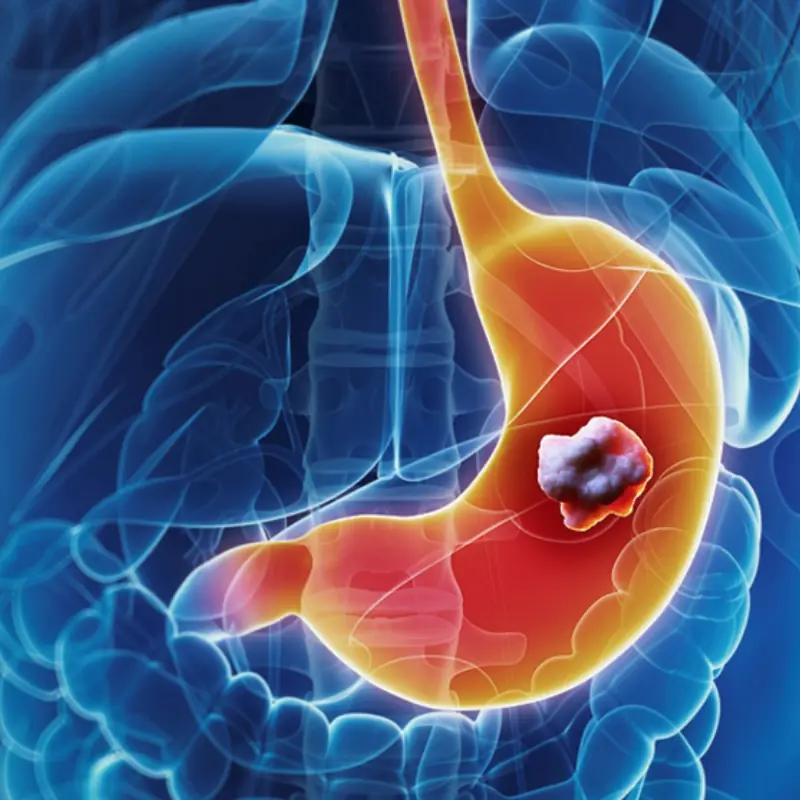
Below are five post-meal symptoms that medical professionals often associate with stomach disorders—and in some cases, early gastric cancer.
Why Stomach Cancer Is Often Missed Early
In the beginning, stomach cancer can look like common digestive issues: mild indigestion, gas, or stomach discomfort. Many people treat it with antacids or ignore it, assuming it’s stress or food intolerance. Unfortunately, that delay allows abnormal cells to grow, spread deeper into the stomach lining, and sometimes move to nearby organs.
Because symptoms can be vague, doctors emphasize early screening for people with persistent digestive complaints—especially those at higher risk.
Symptom #1: Feeling Full After Only a Few Bites
One of the most overlooked warning signs is early satiety—the feeling that you’re full even after eating a small portion. While it can be caused by gastritis, ulcers, or acid reflux, it may also occur if the stomach’s function is affected by abnormal growths or inflammation.
If you notice that you used to eat normally but now feel “stuffed” very quickly, especially for several weeks, it’s worth discussing with a healthcare provider.
Symptom #2: Persistent Indigestion or Burning Pain After Eating
Occasional indigestion happens to almost everyone. But if you experience burning or discomfort after meals that keeps returning—especially if medication doesn’t help—your body may be warning you that something deeper is happening.
Doctors pay attention when indigestion becomes:
-
frequent (several times per week),
-
progressive (getting worse),
-
or paired with other symptoms like fatigue or weight loss.
Symptom #3: Nausea or Vomiting After Meals
Nausea after eating is often linked to food poisoning or stomach flu. But when nausea becomes recurrent, it can suggest irritation, blockage, or changes in the stomach lining. In more serious cases, vomiting may include blood or look like dark coffee grounds—an emergency sign that needs immediate medical care.
Even without blood, repeated nausea after meals should not be ignored.
Symptom #4: Bloating That Doesn’t Match What You Ate
Feeling bloated after a large meal is normal. But abnormal bloating is different—it can happen after small meals and may feel like pressure or tightness in the upper stomach. Some people describe it as “my stomach feels swollen” or “I can’t breathe comfortably after eating.”
This may be related to delayed stomach emptying or irritation, which doctors often evaluate further if it becomes persistent.
Symptom #5: Unexplained Weight Loss or Loss of Appetite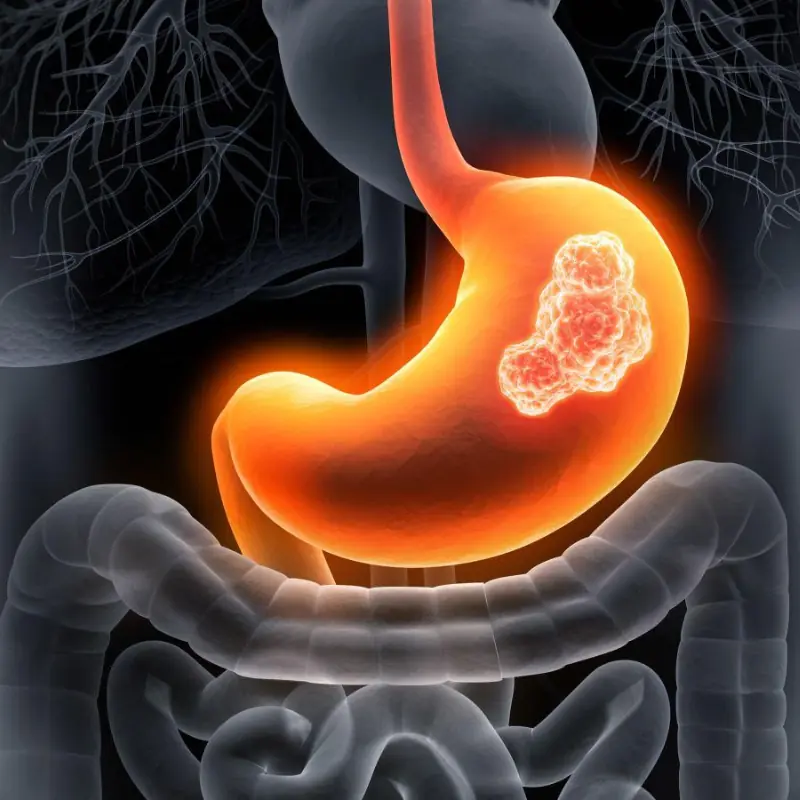
If you’re losing weight without trying, feeling unusually tired, or noticing a sudden drop in appetite, your body may be signaling a deeper problem. Stomach cancer can reduce appetite because the stomach becomes inflamed or doesn’t function normally.
Weight loss combined with any post-meal symptom is a major reason doctors recommend early testing.