Stomach cancer, also known as gastric cancer, is one of the most common cancers affecting the digestive system. One of the reasons it can be challenging to diagnose is that its early symptoms are often subtle and easily mistaken for common digestive problems such as indigestion, acid reflux, or a mild stomach infection.
In many cases, people may experience symptoms for weeks or even months before seeking medical attention. Unfortunately, by the time more obvious symptoms develop, the disease may already be at a more advanced stage.
This is why recognizing potential warning signs early is so important. While these symptoms do not automatically mean someone has stomach cancer, persistent or unexplained digestive changes should always be evaluated by a healthcare professional.
Here are 5 possible warning signs that may deserve attention.
Why Early Detection Matters
Like many cancers, stomach cancer is generally more treatable when discovered early.
Benefits of Early Detection
Early diagnosis may:
-
Increase treatment options
-
Improve treatment outcomes
-
Reduce complications
-
Improve quality of life
The challenge is that early-stage stomach cancer often causes symptoms that seem harmless at first.
Warning Sign 1: Persistent Indigestion or Stomach Discomfort
One of the earliest and most commonly reported symptoms is ongoing indigestion.
What It May Feel Like
People may experience:
-
Frequent stomach discomfort
-
Burning sensations
-
Bloating after meals
-
Feeling unusually full
Why It Can Be Missed
Many people assume these symptoms are caused by:
-
Stress
-
Dietary choices
-
Acid reflux
-
Minor digestive issues
Occasional indigestion is common and usually not serious.
However, persistent symptoms that continue for weeks should not be ignored.
Warning Sign 2: Feeling Full After Eating Small Amounts
Another potential early symptom is a noticeable change in appetite.
Early Satiety
This refers to feeling full after eating only a small amount of food.
What People Often Notice
They may find that:
-
Portions they previously enjoyed now seem too large
-
Hunger decreases unexpectedly
-
Meals become difficult to finish
Why This Happens
Changes within the stomach may affect its ability to function normally, leading to feelings of fullness sooner than expected.
Because appetite naturally fluctuates, many people overlook this symptom.
Warning Sign 3: Unexplained Weight Loss
Unexpected weight loss is a symptom that should always be taken seriously.
What Counts as Unexplained Weight Loss?
Weight loss is considered unexplained when it occurs without:
-
Dieting
-
Increased exercise
-
Intentional lifestyle changes
Why It May Occur
Several factors may contribute, including:
-
Reduced appetite
-
Difficulty eating
-
Changes in metabolism
When to Seek Evaluation
Any significant, unintentional weight loss should be discussed with a healthcare provider.
Warning Sign 4: Nausea or Frequent Vomiting
Digestive disturbances can occur for many reasons.
However, ongoing nausea deserves attention..webp)
Possible Symptoms
-
Frequent nausea
-
Vomiting after meals
-
Loss of appetite
-
Stomach discomfort
Why It May Be Overlooked
People often attribute nausea to:
-
Food poisoning
-
Viral illnesses
-
Stress
-
Medication side effects
Persistent symptoms that continue without a clear explanation warrant further evaluation.
Warning Sign 5: Blood in Stool or Dark, Tarry Stools
This symptom should never be ignored.
What It May Look Like
Some people notice:
-
Black, tarry stools
-
Dark-colored bowel movements
-
Visible blood
Why It Happens
Bleeding somewhere within the digestive tract can sometimes change stool appearance.
Important Reminder
Many non-cancerous conditions can also cause gastrointestinal bleeding, including ulcers and hemorrhoids.
However, any unexplained bleeding requires prompt medical assessment.
Other Symptoms That May Develop
Although the five symptoms above are commonly discussed, other signs may also occur.
Persistent Fatigue
Many individuals experience:
-
Low energy
-
Weakness
-
Difficulty concentrating
Abdominal Pain
Pain may occur in the upper abdomen or stomach region.
Difficulty Swallowing
Some people experience discomfort while eating.
Bloating
Persistent bloating may become increasingly noticeable.
Risk Factors for Stomach Cancer
Several factors can increase the likelihood of developing stomach cancer.
Helicobacter pylori Infection
Long-term infection with H. pylori is a recognized risk factor.
Smoking
Smoking increases the risk of several cancers, including stomach cancer.
Family History
Having close relatives with stomach cancer may increase risk.
Certain Dietary Patterns
High consumption of:
-
Salted foods
-
Smoked foods
-
Processed meats
has been associated with increased risk.
Age
Risk generally increases with age.
Can Young People Develop Stomach Cancer?
Although stomach cancer is more common among older adults, younger individuals can also develop the disease.
This is why symptoms should not be dismissed solely based on age.
Common Conditions That Mimic Stomach Cancer Symptoms
Many symptoms associated with stomach cancer are also caused by less serious conditions.
Examples include:
Acid Reflux
Can cause:
-
Heartburn
-
Indigestion
-
Chest discomfort
Gastritis
Inflammation of the stomach lining may lead to:
-
Pain
-
Nausea
-
Bloating
Peptic Ulcers
Ulcers can produce symptoms very similar to stomach cancer.
Food Intolerances
Certain foods may trigger digestive discomfort.
Because symptoms overlap significantly, proper medical evaluation is essential.
How Doctors Diagnose Stomach Cancer
If symptoms raise concern, healthcare providers may recommend further testing.
Endoscopy
A flexible camera is used to examine the stomach.
Biopsy
Small tissue samples may be collected for analysis.
Imaging Tests
These may include:
-
CT scans
-
Ultrasound
-
Other imaging procedures
Blood Tests
Blood work may help identify signs of anemia or other abnormalities.
How to Support Stomach Health
While not all cases can be prevented, certain habits may support digestive health.
Eat a Balanced Diet
Focus on:
-
Fruits
-
Vegetables
-
Whole grains
-
Lean proteins
Avoid Smoking
Smoking remains one of the most significant preventable risk factors.
Limit Excessive Processed Foods
Reducing heavily processed foods may support overall digestive health.
Seek Evaluation for Persistent Symptoms
Ongoing digestive issues should not be ignored.
Common Myths About Stomach Cancer
Myth 1: Stomach Cancer Always Causes Severe Pain
Not necessarily.
Many early cases cause mild symptoms or no symptoms at all.
Myth 2: Only Older Adults Need to Worry
Although risk increases with age, younger people can also be affected.
Myth 3: Indigestion Is Always Harmless
Most indigestion is harmless, but persistent symptoms deserve medical attention.
When Should You See a Doctor?
Consider scheduling a medical evaluation if you experience:
-
Persistent indigestion
-
Ongoing nausea
-
Unexplained weight loss
-
Difficulty eating
-
Blood in stool
-
Symptoms lasting several weeks
Early assessment can help identify the cause and provide appropriate treatment.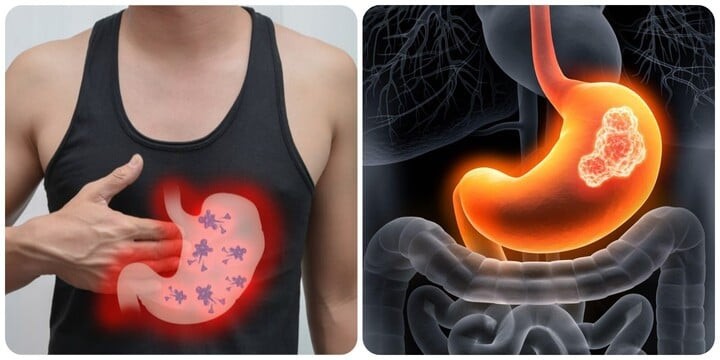
Final Thoughts
Stomach cancer often develops quietly, and its earliest symptoms can easily be mistaken for common digestive complaints. Persistent indigestion, feeling full after small meals, unexplained weight loss, ongoing nausea, and changes in stool appearance are among the warning signs that should not be ignored.
It is important to remember that these symptoms are far more commonly caused by conditions other than cancer. Nevertheless, when symptoms persist, worsen, or occur without a clear explanation, medical evaluation is essential.
Being aware of potential warning signs is not about creating fear - it is about giving yourself the opportunity to seek timely care and protect your long-term health. Early recognition and prompt medical attention can make a significant difference.