The Truth Behind Viral Claims About “Cancer-Causing Foods” in Children
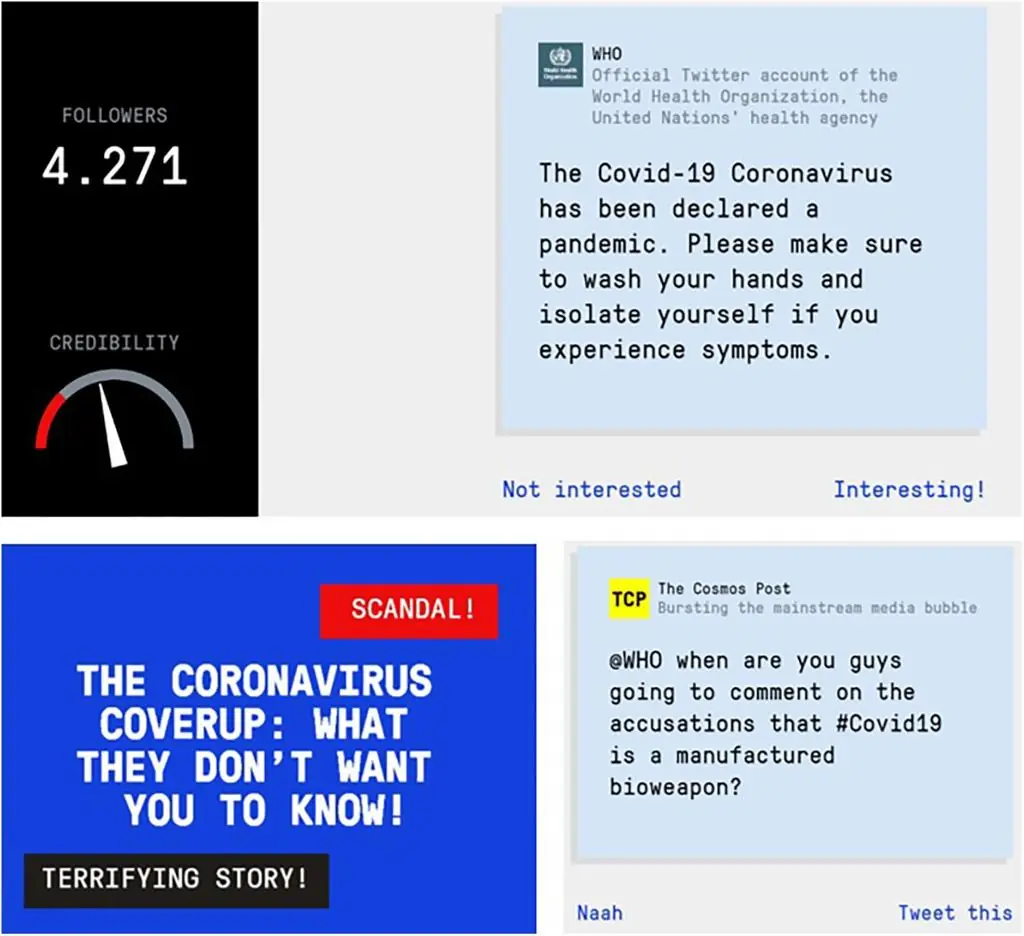
Content like this spreads fast because it hits two things at once: fear and urgency. A tragic story, a bold warning, and a list of “dangerous foods.” But before jumping to conclusions, it’s important to separate emotional headlines from medical reality.
Why These Headlines Go Viral

4
Posts like this are designed to:
- Trigger panic in parents
- Create a sense of immediate danger
- Encourage shares without verification
The phrase “stop giving children these 5 foods” sounds urgent, but real medical advice is rarely that absolute or simplistic.
Can Food Directly Cause Cancer in Children?
Let’s be clear:
No single food directly causes cancer overnight.
Cancer — especially in children — is complex. It may involve:
- Genetic factors
- Environmental exposure
- Random cellular mutations
Diet plays a role in long-term health, but it is not a direct, instant cause of cancer in the way these posts suggest.
Foods That Are Often Misunderstood


4
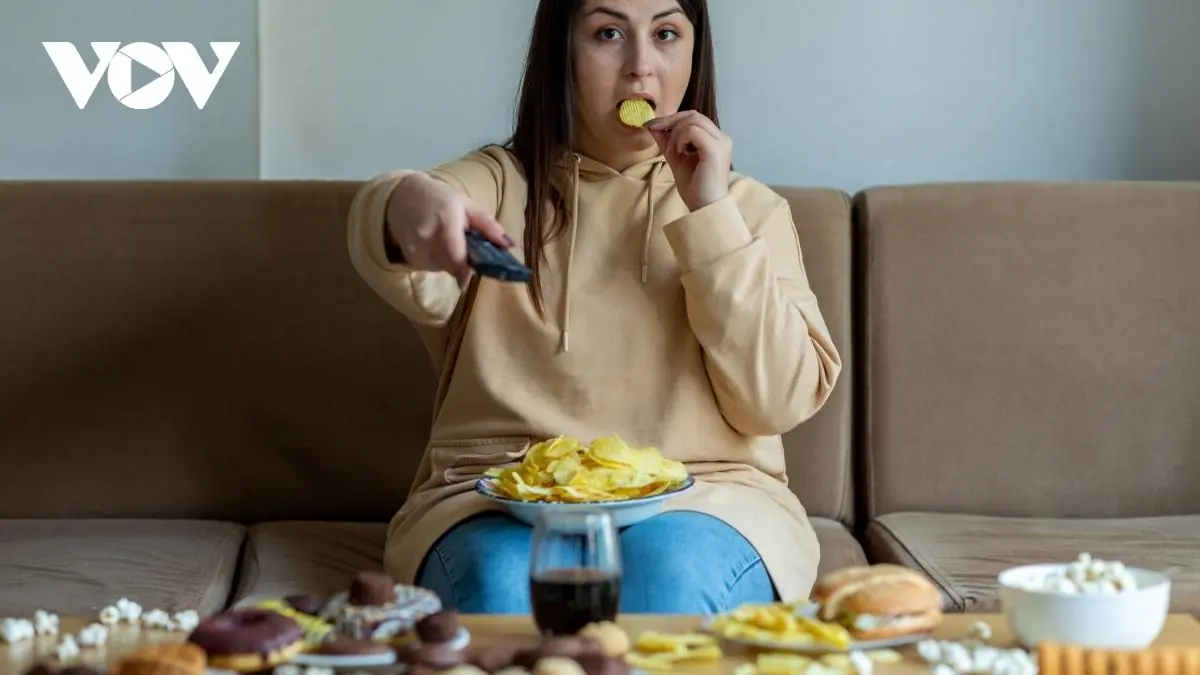
These viral posts usually target common foods like:
- Processed snacks
- Sugary drinks
- Fast food
- Packaged meats
- Artificial additives
Here’s the real take:
- These foods can contribute to poor health over time
- They may increase risks like obesity or metabolic issues
- Some processed meats are linked to higher cancer risk in adults when consumed excessively
But again — they do not directly cause cancer in a short time, especially not in isolation.
What Actually Matters More
Health isn’t about banning 5 foods. It’s about patterns.
Children’s long-term health depends on:
- Balanced nutrition (vegetables, protein, whole foods)
- Physical activity
- Adequate sleep
- Limited ultra-processed food intake (not zero — just controlled)
The problem is chronic habits, not occasional treats.
The Danger of Misinformation
Here’s the real issue with posts like this:
- They create unnecessary fear in parents
- They oversimplify serious diseases
- They can distract from real warning signs and medical care
In worst cases, people might:
- Panic unnecessarily
- Follow extreme diets
- Ignore professional medical advice
That’s where things become harmful.
A More Realistic Approach for Parents
Instead of focusing on “forbidden foods,” a smarter approach is:
- Build a diverse, balanced diet
- Teach moderation, not restriction
- Encourage whole, minimally processed foods
- Stay informed through reliable medical sources
No need to panic — just be consistent.
Final Take
This kind of headline is more about clicks than science.
A tragic story may be real, but the conclusion — that specific everyday foods directly caused cancer — is not supported by medical evidence.
The goal isn’t fear. It’s awareness.
Raising healthy children isn’t about eliminating 5 foods overnight — it’s about building sustainable habits over time.
Children's Nutrition and Cancer Risk: What Parents Should Understand
Parents naturally want to protect their children from anything that could threaten their health. So when a headline claims that certain everyday foods may cause cancer in children, it is understandable that families become worried.
But nutrition and cancer are complicated subjects. A food being highly processed, containing an additive, or having been associated with cancer in an adult study does not automatically mean that it causes cancer in children.
Understanding the difference between a genuine health risk and an exaggerated online claim can help parents make better decisions without creating unnecessary fear around food.
1. Why Childhood Cancer Is Different From Adult Cancer
Cancer is not one single disease. It is a group of conditions in which abnormal cells grow uncontrollably and may invade surrounding tissues or spread to other parts of the body.
In adults, certain cancers are strongly associated with long-term exposures and lifestyle factors, including tobacco use, alcohol consumption, obesity, and some dietary patterns.
Childhood cancers are different.
Many childhood cancers develop through genetic changes that occur during early development or throughout childhood. In most cases, doctors cannot identify one specific food, habit, or environmental exposure responsible for the disease.
Some childhood cancers are associated with inherited genetic conditions, certain infections, or specific environmental exposures. However, these account for only a proportion of cases.
This is why parents should be cautious about claims that blame a child's cancer on one particular snack, drink, or meal.
2. Does Sugar Feed Cancer?
One of the most persistent claims circulating online is that sugar directly feeds cancer cells and that eliminating sugar will prevent or cure cancer.
There is a scientific fact behind the confusion: cancer cells use glucose as an energy source, just as normal cells do.
However, normal cells also need glucose to function.