“Stop Giving Kids These 5 Foods”? — Let’s Separate Facts from Fear

7
That headline is designed to shock.
A tragic story about a child, followed by a sweeping warning about “5 dangerous foods,” creates urgency — but it can also mislead.
Let’s be clear and grounded:
No single everyday food suddenly causes cancer in children.
Cancer is complex. It involves:
- Genetics
- Environment
- Long-term exposures
- Sometimes unknown factors
Blaming a short list of foods is oversimplified and often inaccurate.
What Experts Actually Agree On
Instead of fear-based lists, pediatric and nutrition guidelines focus on patterns over time.
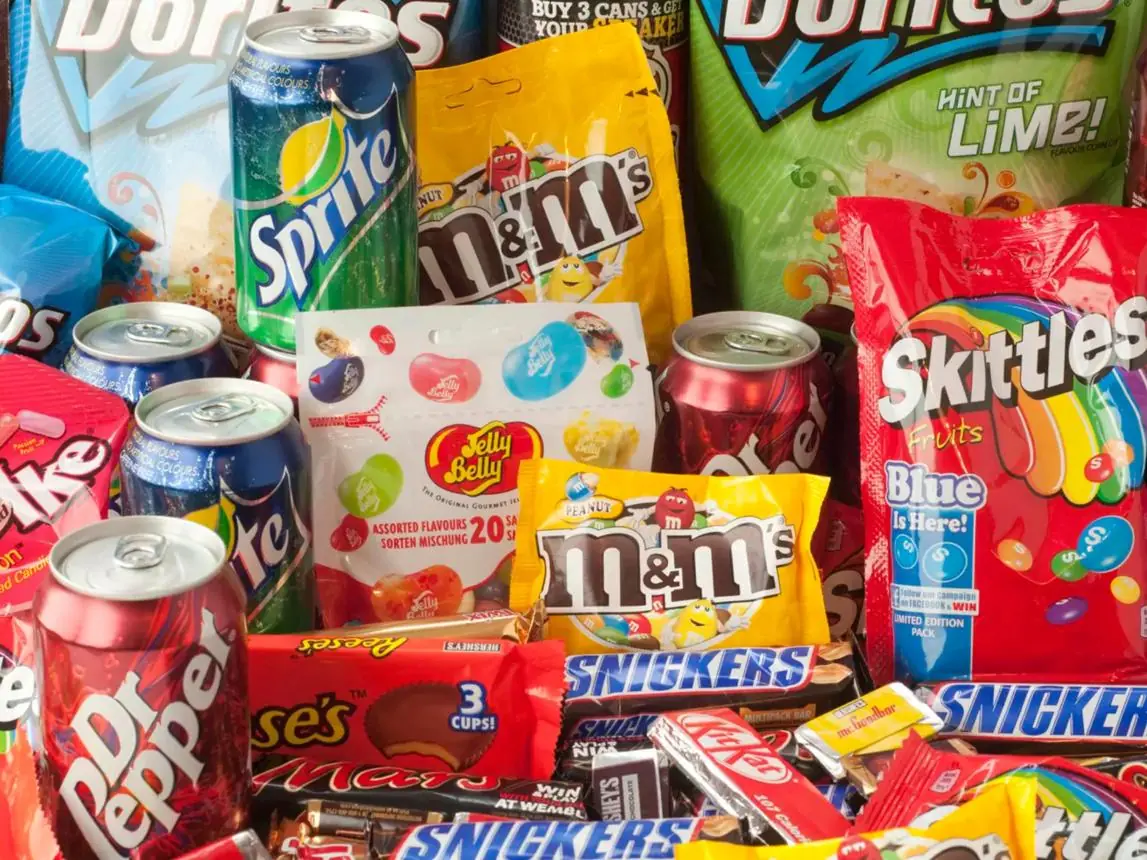
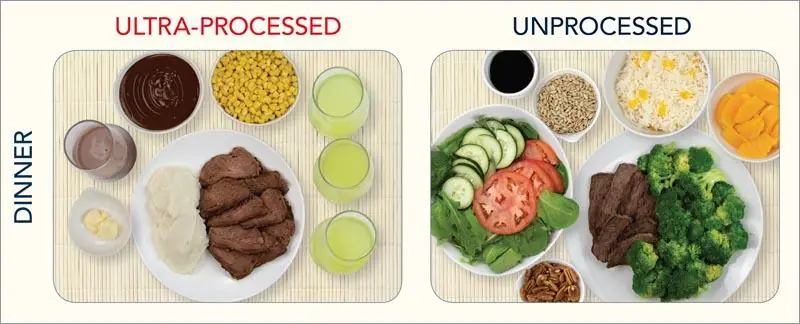
1. Limit Ultra-Processed Foods

6
These include:
- Sugary drinks
- Candy, chips
- Instant/packaged meals
Why limit?
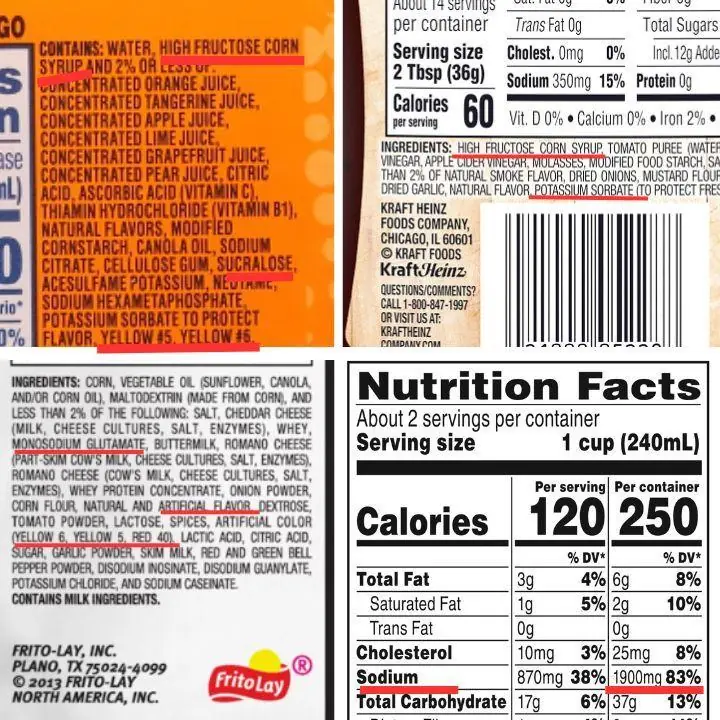
- High sugar, salt, additives
- Low nutrients
- Linked to obesity and metabolic issues
Not “toxic instantly” — but harmful if frequent and excessive
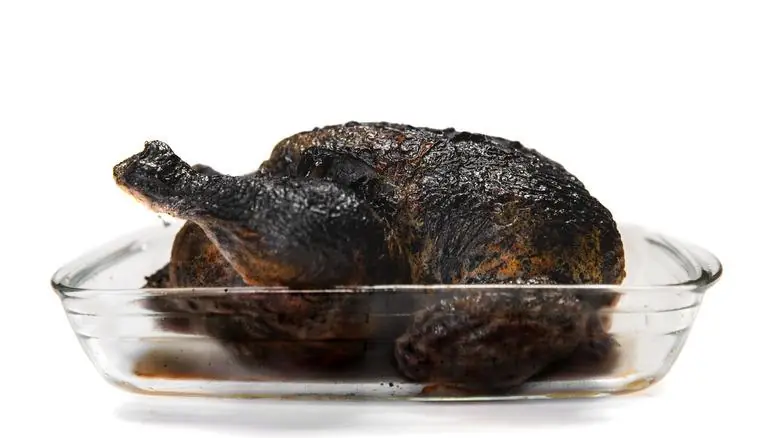
2. Avoid Burnt or Charred Foods


6
Heavily burnt foods can contain compounds like:
- Acrylamide
- PAHs
These are potentially harmful over long-term exposure, not immediate danger.
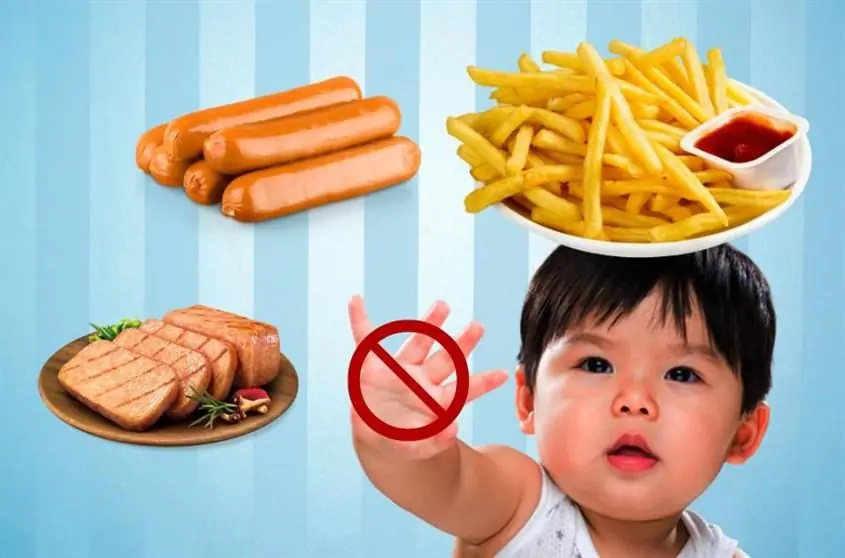
3. Reduce Processed Meats
6
Examples:
- Sausages
- Bacon
- Ham
These are classified as risk factors when consumed frequently over time, especially in adults — but moderation matters.
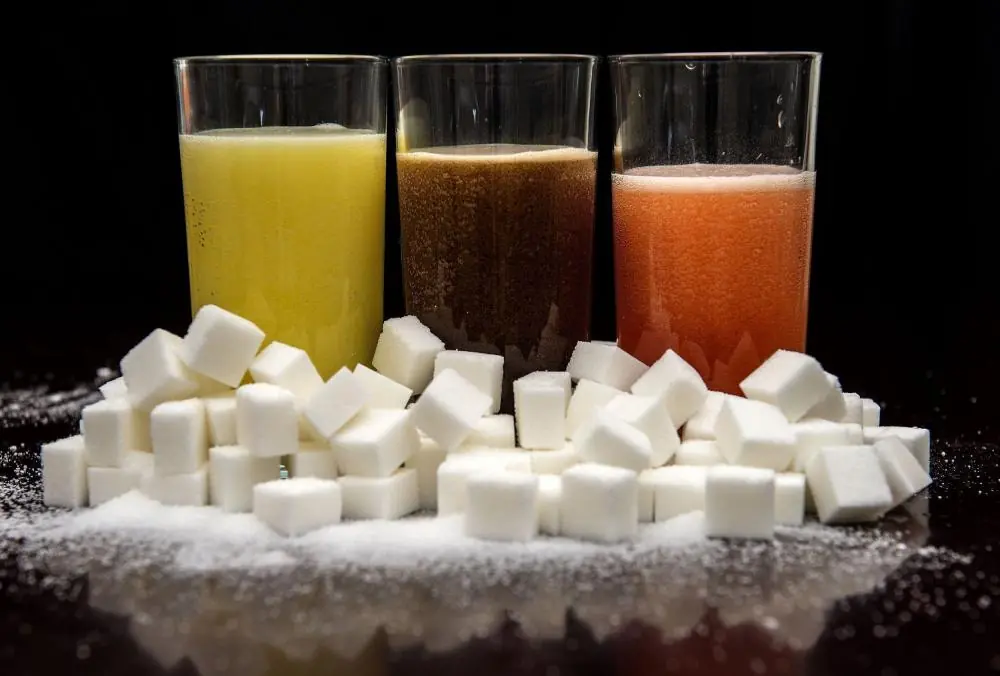
4. Watch Added Sugar Intake

7
Too much sugar:
- Affects weight
- Impacts insulin regulation
- Increases long-term health risks
Again → pattern matters, not one snack
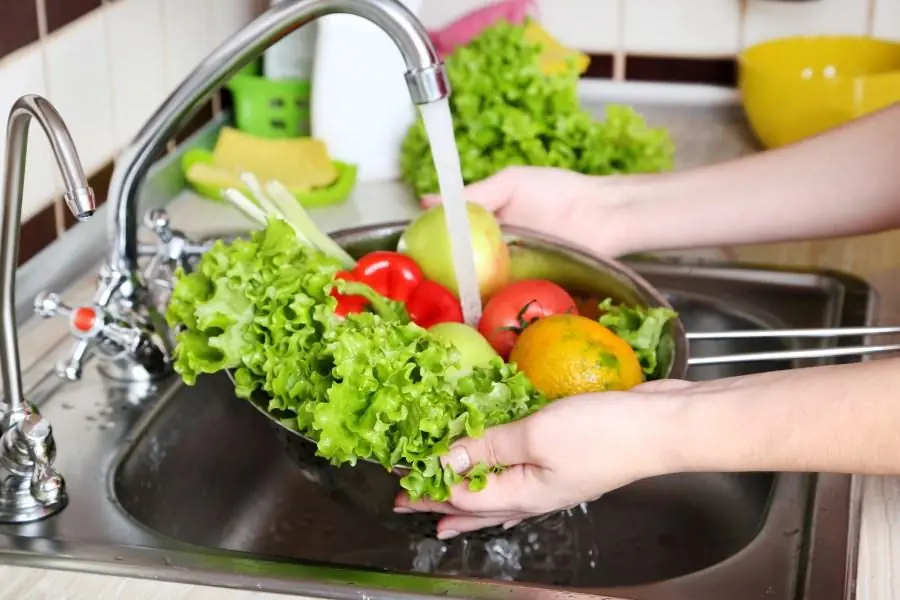
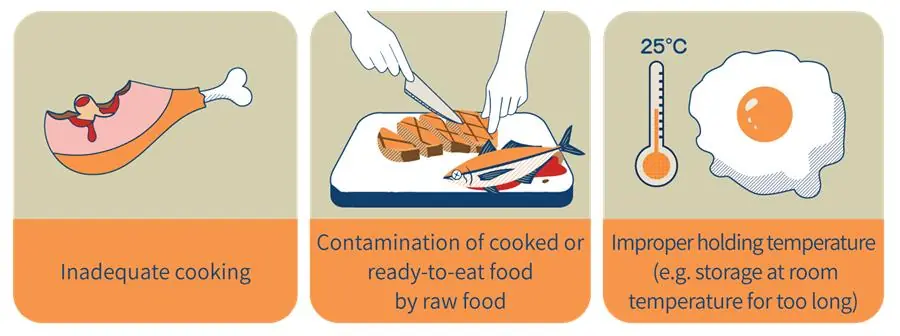
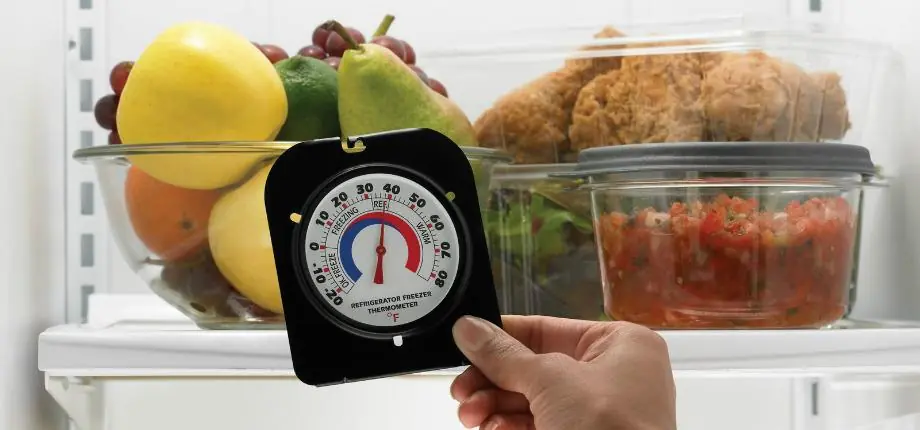
5. Food Safety Matters More Than “Food Lists”

6
More immediate risks for kids come from:
- Contaminated food
- Poor hygiene
- Improper storage
This is often more relevant than “which food is banned.”
The Big Problem with Viral Claims
Posts like this often:
- Link one tragic case → to general advice
- Oversimplify complex diseases
- Create fear instead of understanding
That doesn’t help parents make better decisions.
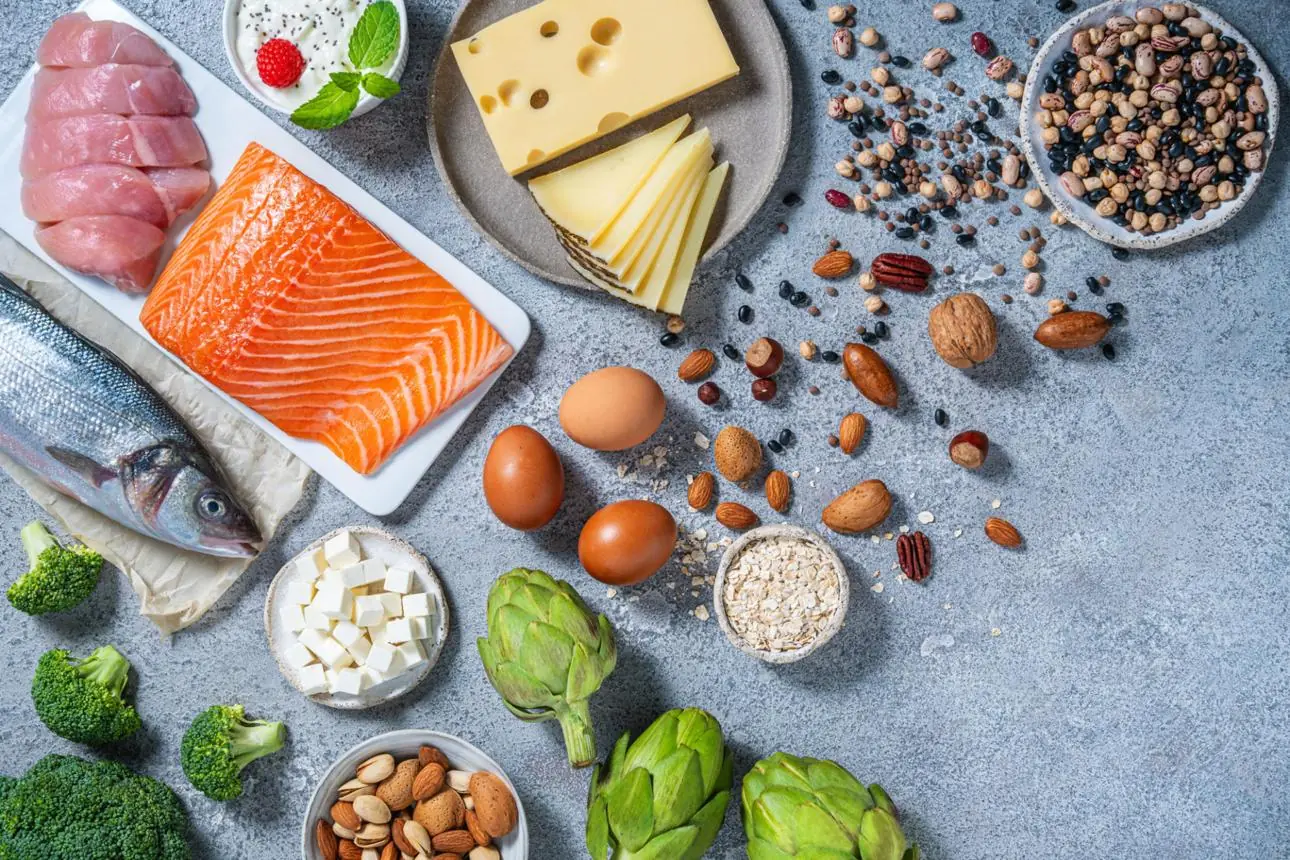
What Actually Protects Children’s Health
Focus on consistency:
- Balanced meals (protein, carbs, healthy fats)
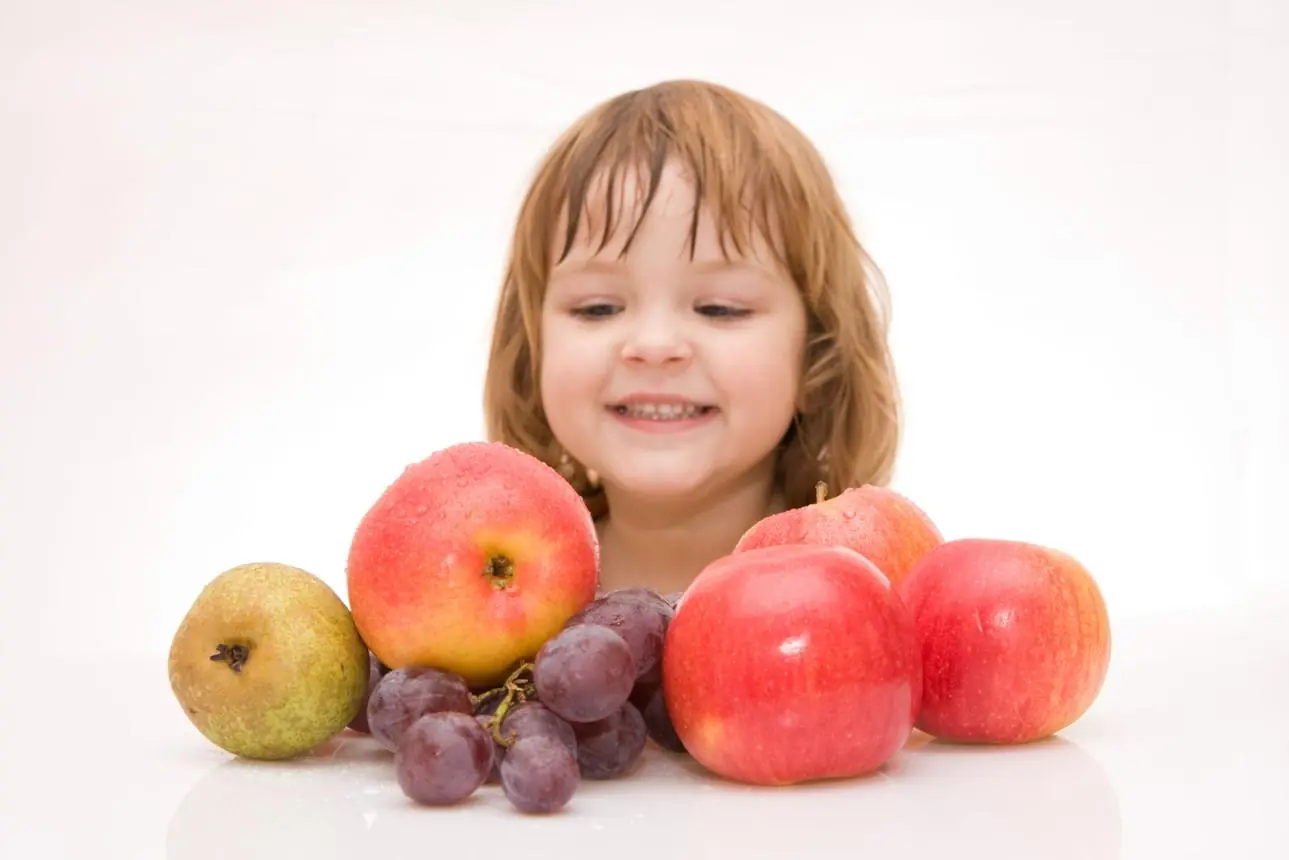
- Plenty of fruits & vegetables
- Limited ultra-processed foods
- Safe food handling
- Regular health checkups
Final Take
There is no “5 foods = cancer” formula.
Health risk is built over time — through:
- Diet patterns
- Lifestyle
- Environment
Children's Nutrition: More Foods Parents Should Understand, Hidden Risks, and Practical Ways to Build Healthy Eating Habits
A child's health is shaped by many things, including genetics, physical activity, sleep, emotional well-being, the environment, and daily nutrition. Food plays an especially important role because childhood is a period of rapid growth and development.
During these years, children need sufficient energy and a wide range of nutrients to support their bones, muscles, brain, immune system, and other organs. Their eating habits can also influence their relationship with food as they grow older.
However, conversations about children's nutrition are often filled with dramatic warnings. One day, a particular snack is described as dangerous. The next day, another familiar ingredient is blamed for developmental problems or serious disease.
This kind of messaging can make parents feel that almost everything in the kitchen is unsafe.
A more useful approach is to understand the difference between foods that should be limited, foods that require careful preparation, and foods that can be included regularly as part of a balanced diet.
The goal is not to create a childhood filled with food restrictions. It is to help children develop healthy eating habits while ensuring that the food they consume is nutritious and safe.
1. Sugary Breakfast Cereals: Convenient but Not Always Nutritious
Breakfast cereals are popular because they are quick to prepare and often marketed directly to children.
Colorful packaging, cartoon characters, sweet flavors, and attractive shapes can make them especially appealing. However, some breakfast cereals contain considerable amounts of added sugar while providing relatively little fiber or protein.
Eating a very sweet breakfast occasionally is not a medical emergency. The concern arises when sugary cereals become a daily substitute for more balanced meals.
A breakfast containing mostly refined carbohydrates and added sugar may not provide the variety of nutrients children need.
Parents can compare nutrition labels before purchasing breakfast cereals. Look for products with:
-
Lower amounts of added sugar.
-
Whole grains as important ingredients.
-
Higher fiber content.
-
Moderate sodium levels.
-
Simple ingredient lists when possible.
Children do not need expensive specialty cereals to have a nutritious breakfast.
Oatmeal, whole-grain bread, eggs, plain yogurt, fruit, and milk can all be useful options depending on the child's age, nutritional needs, and food tolerance.
A bowl of oatmeal topped with banana slices and a little plain yogurt, for example, provides carbohydrates, fiber, and protein.
The important principle is to make breakfast satisfying and varied rather than relying entirely on sweetened packaged products.
2. Instant Noodles: A Convenient Meal That Should Not Become a Daily Habit
Instant noodles are inexpensive, easy to store, and simple to prepare. Many families use them when they have limited time or need a quick meal.
However, many instant noodle products are relatively high in sodium and may contain limited amounts of protein, fiber, and certain micronutrients.
The seasoning packets can contribute a substantial portion of the sodium in a serving. Regularly consuming excessive sodium may contribute to unhealthy blood pressure patterns over time.
Another issue is nutritional balance. A meal consisting only of instant noodles may not provide enough variety for a growing child.