A stroke is one of the most serious medical emergencies worldwide and remains a leading cause of disability and death. What makes strokes especially dangerous is that they may begin suddenly, sometimes with symptoms that seem mild or easy to dismiss at first.
Doctors often emphasize that recognizing early warning signs quickly can make a life-saving difference. In many cases, prompt medical treatment may:
- Reduce brain damage
- Improve recovery outcomes
- Lower disability risk
- Save lives
Because stroke symptoms may appear suddenly and unexpectedly, public awareness is extremely important.
What Happens During a Stroke?
A stroke occurs when blood flow to part of the brain becomes interrupted.
This may happen because:
- A blood clot blocks circulation (ischemic stroke)
- A blood vessel ruptures and bleeds (hemorrhagic stroke)
Without enough oxygen, brain cells begin dying within minutes.
This is why immediate medical attention is critical.

1. Sudden Numbness or Weakness
One of the most common stroke symptoms is sudden weakness or numbness, especially on one side of the body.
This may affect:
- The face
- Arm
- Hand
- Leg
A person may suddenly struggle to:
- Raise one arm
- Grip objects
- Walk normally
Facial Drooping
The face may appear uneven or droop on one side.
Smiling may become difficult.
2. Difficulty Speaking or Understanding Speech
A stroke may suddenly affect communication abilities.
Possible symptoms include:
- Slurred speech
- Confusion
- Difficulty understanding words
- Trouble forming sentences
A person may sound disoriented or unable to speak clearly.
3. Sudden Severe Headache
A sudden intense headache may sometimes signal a stroke, especially a hemorrhagic stroke involving bleeding in the brain.
Doctors often describe concern when the headache:
- Appears suddenly
- Feels unusually severe
- Occurs with dizziness or confusion
Not every severe headache indicates stroke, but sudden unexplained symptoms deserve urgent attention.
4. Vision Problems
A stroke may affect the parts of the brain controlling vision.
Possible symptoms include:
- Blurred vision
- Double vision
- Sudden loss of vision
- Difficulty seeing in one or both eyes
Vision changes may appear abruptly.
5. Dizziness or Loss of Balance
Sudden dizziness may sometimes be linked to stroke, particularly when combined with other symptoms.
People may experience:
- Trouble walking
- Poor coordination
- Loss of balance
- Sudden falls
This may be mistaken for fatigue or inner ear problems.
6. Confusion or Sudden Mental Changes
A stroke may affect thinking and awareness.
Possible signs include:
- Sudden confusion
- Memory difficulty
- Disorientation
- Trouble following conversations
Family members often notice personality or awareness changes suddenly.

7. Trouble Swallowing
Some strokes may affect muscles involved in swallowing.
Possible symptoms may include:
- Choking
- Difficulty swallowing liquids
- Coughing while eating
Swallowing problems can increase the risk of complications such as aspiration pneumonia.
8. Sudden Fatigue or Weakness
Although less specific, some people experience:
- Extreme fatigue
- Sudden exhaustion
- Weakness
before or during a stroke.
Women may sometimes report more subtle symptoms compared to classic stroke signs.
9. Sudden Nausea or Vomiting
In some cases, stroke symptoms may include:
- Nausea
- Vomiting
- Sudden illness sensations
especially when combined with:
- Dizziness
- Headache
- Balance problems
10. Brief Symptoms That Disappear
Sometimes stroke-like symptoms disappear within minutes or hours.
This may be a transient ischemic attack (TIA), often called a “mini-stroke.”
Symptoms may temporarily include:
- Numbness
- Vision changes
- Speech difficulty
- Weakness
Even if symptoms improve, immediate medical evaluation is still essential because TIAs may warn of future major strokes.
The FAST Method for Recognizing Stroke
Doctors often teach the FAST acronym:
F — Face
Does one side droop?
A — Arms
Can both arms be raised evenly?
S — Speech
Is speech slurred or strange?
T — Time
Time is critical — call emergency services immediately.
Why Fast Treatment Matters
Brain cells begin dying quickly during a stroke.
Rapid treatment may:
- Restore blood flow
- Reduce brain damage
- Improve survival
- Support better recovery
Delaying medical care may significantly worsen outcomes.
Stroke Risk Factors
Several factors may increase stroke risk including:
- High blood pressure
- Smoking
- Diabetes
- Obesity
- High cholesterol
- Heart disease
- Physical inactivity
Some risk factors may be improved through lifestyle changes.
Can Young People Have Strokes?
Yes.
Although strokes are more common in older adults, younger individuals may also experience strokes due to:
- Genetic conditions
- Blood clotting disorders
- High blood pressure
- Lifestyle factors
No age group is completely immune.
Preventive Habits Matter
Experts often recommend:
- Blood pressure control
- Healthy eating
- Exercise
- Not smoking
- Limiting alcohol
- Managing diabetes
Preventive healthcare may significantly reduce stroke risk.
Never Ignore Sudden Symptoms
One of the biggest dangers of stroke is assuming symptoms will pass on their own.
Any sudden neurological change deserves immediate attention, especially when involving:
- Speech
- Movement
- Vision
- Balance
It is always safer to seek emergency care quickly.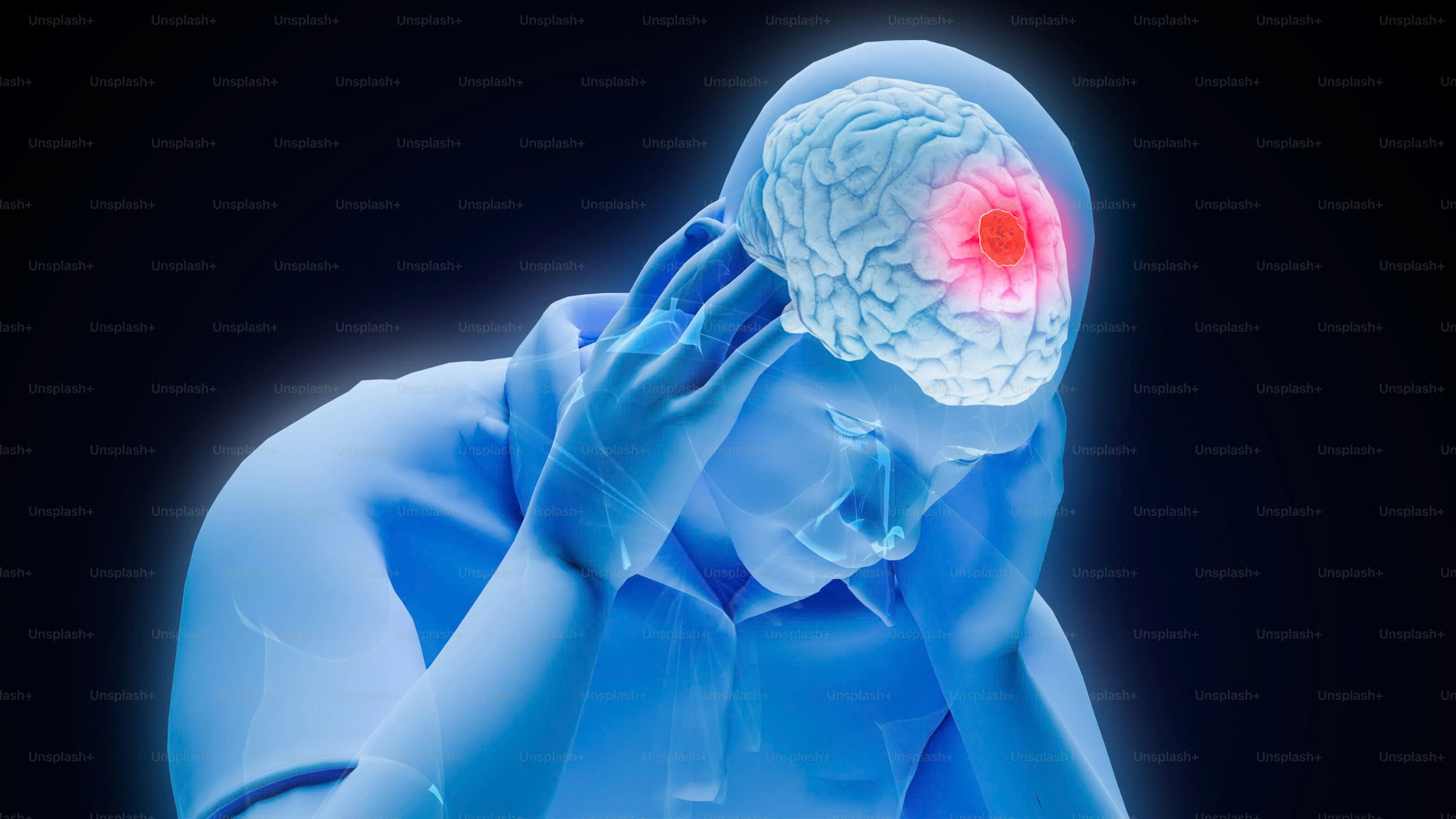
Final Thoughts
Stroke often begins with sudden but subtle symptoms such as weakness, slurred speech, dizziness, confusion, facial drooping, or vision changes. Because brain damage can progress rapidly, recognizing these warning signs early and seeking emergency medical attention immediately may help save lives and improve recovery outcomes.
Doctors emphasize that awareness, fast action, and preventive health habits remain some of the most powerful tools in reducing the devastating impact of stroke.