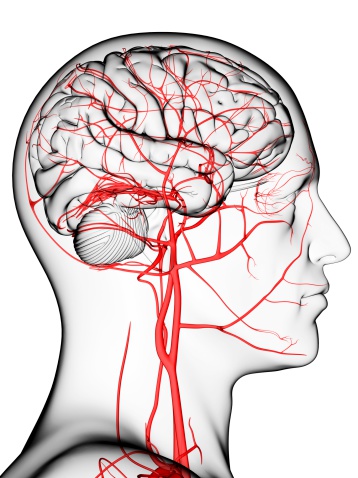
Nighttime Neurological Symptoms You Should Never Ignore
Sleep is meant to be a time for restoration, yet the body continues to communicate important signals even during rest. While occasional discomfort at night can be harmless, certain neurological symptoms should never be overlooked—especially when they occur suddenly, persist, or disrupt sleep. Because neurological events can progress quickly, timely recognition and evaluation are essential for protecting long-term health.
Below are nighttime symptoms involving the head, nerves, or circulation that deserve serious attention.
1. Sudden, Severe Headache During the Night
Headaches are common, but a sudden, intense headache that wakes someone from sleep or feels drastically different from typical headaches is a warning sign. Nighttime headaches may be related to nerve irritation, vascular changes, sinus pressure, or—in rare cases—more serious neurological issues.
If a headache feels like a sudden “burst,” becomes progressively more severe, or is accompanied by dizziness, nausea, numbness, or confusion, medical evaluation is important. Persistent nighttime headaches may also point to underlying sleep disorders, elevated blood pressure, or chronic inflammation.
While most headaches are benign, their timing and intensity matter. Recognizing unusual patterns ensures that potential problems are addressed early.
2. Numbness, Tingling, or Weakness in Limbs While Sleeping
It is normal to experience brief numbness if a limb is positioned awkwardly. However, numbness or weakness that appears suddenly, affects only one side of the body, or does not improve with movement could signal a neurological or vascular issue.
Nighttime sensations such as:
-
Tingling or “pins and needles”
-
Reduced grip strength
-
Difficulty lifting an arm or leg
-
A feeling of heaviness on one side
deserve prompt assessment.
These symptoms may reflect nerve compression, circulatory changes, or muscle tension. In some cases, they may signal interruptions in the brain’s communication pathways. Ignoring these signs can delay detection of conditions that benefit greatly from early treatment.
3. Confusion, Difficulty Speaking, or Sudden Disorientation
The brain maintains essential functions during sleep, including memory consolidation and regulation of vital processes. Any abrupt change in mental clarity during the night should be treated seriously.
Examples include:
-
Waking up confused and unable to orient oneself
-
Difficulty forming words
-
Sudden trouble understanding speech
-
Loss of balance when attempting to stand
-
Unexpected agitation or cognitive fog
These symptoms can have a range of causes—from low blood sugar and sleep disorders to neurological disturbances. Because nighttime confusion can be dismissed as grogginess, many people underestimate its importance.
If such episodes recur or appear with other symptoms, medical evaluation is essential to ensure the brain is functioning properly.
4. Chest Tightness, Irregular Heartbeat, or Breathing Difficulty at Night
Neurological and cardiovascular systems work closely together, especially during sleep. Any symptom that interrupts airflow, circulation, or rhythm must be taken seriously.
Worrisome signs include:
-
Sudden chest tightness
-
Irregular heartbeat or palpitations
-
Difficulty taking a full breath
-
Waking up gasping or choking
These symptoms may signal circulatory stress, nerve-related respiratory issues, or underlying conditions that require timely attention. Because nighttime episodes can go unnoticed or be dismissed as anxiety, individuals should pay attention to patterns and frequency.
Why Nighttime Neurological Symptoms Matter
Symptoms that appear during sleep often indicate that the body is under stress—physically or neurologically. Many neurological conditions progress silently before becoming noticeable. This means early signs, even subtle ones, provide valuable clues.
Nighttime symptoms also matter because:
-
The body’s compensatory systems slow during rest
-
Blood pressure and oxygen levels fluctuate
-
Neurological signals are more noticeable without distractions
Recognizing changes early allows for faster diagnosis, more effective treatment, and better health outcomes.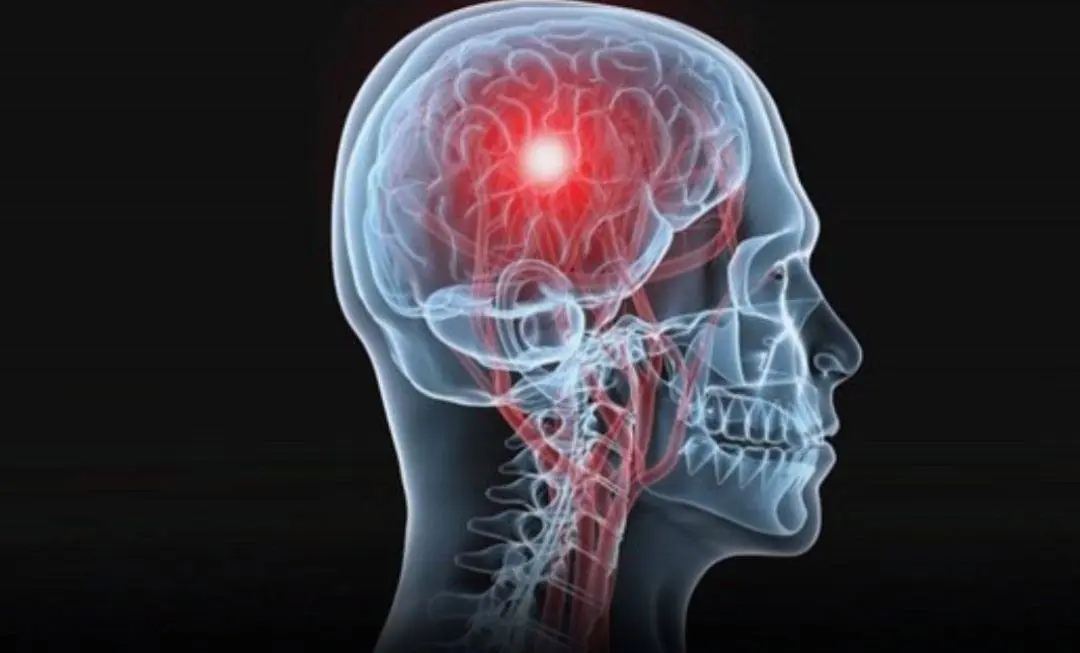
When to Seek Immediate Medical Care
You should seek help promptly if nighttime symptoms:
-
Occur suddenly or severely
-
Affect only one side of the body
-
Impair speech, vision, or movement
-
Are accompanied by confusion or fainting
-
Persist for several nights without explanation
Even if symptoms resolve quickly, documenting them and discussing them with a healthcare professional is crucial. Early evaluation can identify issues that may otherwise remain hidden.
A Proactive Approach to Nighttime Health
Listening to the body—especially during sleep—can provide essential insights into neurological and cardiovascular well-being. Instead of dismissing unusual nighttime symptoms as fatigue or stress, paying attention allows individuals to act before issues escalate.
By monitoring patterns, seeking timely evaluation, and prioritizing overall health, individuals can protect themselves from complications and maintain long-term neurological resilience.