
Health 06/12/2025 23:16
Certain neck symptoms should never be ignored.

3 Neck Symptoms You Should Never Ignore
The neck is a sensitive and complex region of the body, containing vital structures such as lymph nodes, muscles, nerves, blood vessels, the thyroid gland, and parts of the respiratory and digestive systems. Because so many essential functions converge in this area, discomfort or unusual symptoms in the neck can provide early clues that something within the body may require attention.
While most neck symptoms are benign and temporary—often caused by posture, stress, or mild infections—some signs should not be ignored, especially when they persist, worsen, or appear without a clear explanation. Recognizing such symptoms early allows individuals to seek timely medical evaluation and protect their overall health.
Below are three neck-related symptoms that warrant careful attention.
1. Persistent Swelling or Enlarged Lymph Nodes
Lymph nodes play a crucial role in immune function by filtering harmful substances and responding to infections. It is normal for lymph nodes in the neck to swell during viral or bacterial illnesses. However, swelling that persists for several weeks, grows larger, becomes firm, or appears without symptoms of common infection should be evaluated.
Persistent swelling may indicate ongoing inflammation, immune activation, or an underlying condition that needs medical assessment. The texture, size, and location of the swollen lymph node can provide helpful clues for healthcare professionals. While many cases are harmless, early evaluation ensures that any issues are addressed in their initial stages.
2. Unexplained Pain, Tightness, or Discomfort in the Neck
Neck pain is common, especially in people with stress, poor posture, or extended screen use. However, pain that feels unusual, severe, or unrelated to muscle strain deserves more attention. Sharp pain, pressure radiating upward toward the head, or discomfort that limits movement may indicate nerve irritation, muscle spasm, or inflammation.
Additionally, pain that persists despite rest, heat, or lifestyle adjustments should be taken seriously. In some cases, neck discomfort may be linked to tension in the jaw, sinus problems, thyroid inflammation, or nerve compression. Tracking the duration, intensity, and triggers of the pain can help guide healthcare evaluation and treatment.
3. Difficulty Swallowing or a Sensation of a Lump in the Throat
A persistent sensation of a lump in the throat—often described as something “stuck” even when nothing is there—can be caused by muscle tension, acid reflux, or mild irritation. However, if difficulty swallowing occurs regularly, or if food or liquids seem to get stuck, it can signal an issue requiring medical attention.
The muscles and nerves responsible for swallowing are highly coordinated, and disruptions may indicate inflammation, swelling, or structural changes in the throat or neck. Difficulty swallowing, persistent hoarseness, or changes in voice should not be ignored, especially when they appear alongside neck pain or swelling.
Why These Symptoms Matter
Neck symptoms can be subtle, and people often dismiss them as minor annoyances. However, the neck contains structures essential to breathing, swallowing, immune function, and circulation. This means that small, persistent symptoms can sometimes reflect early changes occurring deeper within the body.
It is important to note that these three symptoms do not point to any specific disease on their own. Most cases have treatable, benign explanations. The value lies in early awareness: recognizing when something feels “off” allows individuals to seek guidance before symptoms affect daily life or escalate.
When to Seek Medical Evaluation
You should consider consulting a healthcare professional if:
-
A swollen lymph node persists longer than two to three weeks.
-
Neck pain becomes more intense or does not improve with rest.
-
Swallowing becomes progressively more difficult.
-
Symptoms are accompanied by fever, fatigue, weight changes, or persistent discomfort.
A timely evaluation can differentiate between minor issues and those that may require targeted treatment.
A Proactive Approach to Neck Health
Listening to your body is one of the most effective ways to maintain long-term well-being. The neck, despite its small size, reflects a wide range of internal processes—from immune activity to muscle tension and hormonal balance.
By paying attention to persistent changes and seeking evaluation when needed, individuals can take an empowered, proactive approach to safeguarding their health. Early awareness not only supports physical comfort but also provides peace of mind, ensuring that concerns are addressed before they become more challenging to manage.
News in the same category

Influenza A Spreads Quickly — If You Belong to These 6 Groups, You’re More Likely to Catch It
If You Experience Nighttime Leg Cramps, Here’s What Your Body May Be Trying to Tell You

4 “Most To.xic” Vegetables Silently Dam.aging the Li.ver — Yet Common on Family Dining Tables

How does rheumatoid arthritis affect the body?

EARLY RECOGNITION OF MENINGITIS SYMPTOMS

Inguinal hernia needs to be detected early to avoid dangerous complications

6 types of fish, no matter how cheap, should not be bought to eat: Even doctors are afraid
4 typical symptoms warning of pneumonia
Vision Loss Overnight: Urgent Warning of Ocular Artery Occlusion!

Back pain, urinary incontinence, then I'm sorry you have this terrible disease

The 'de.ath' signs of hypothermia

People who need to have their liver checked early and regularly
If your tonsils have white spots, you may have an infection...
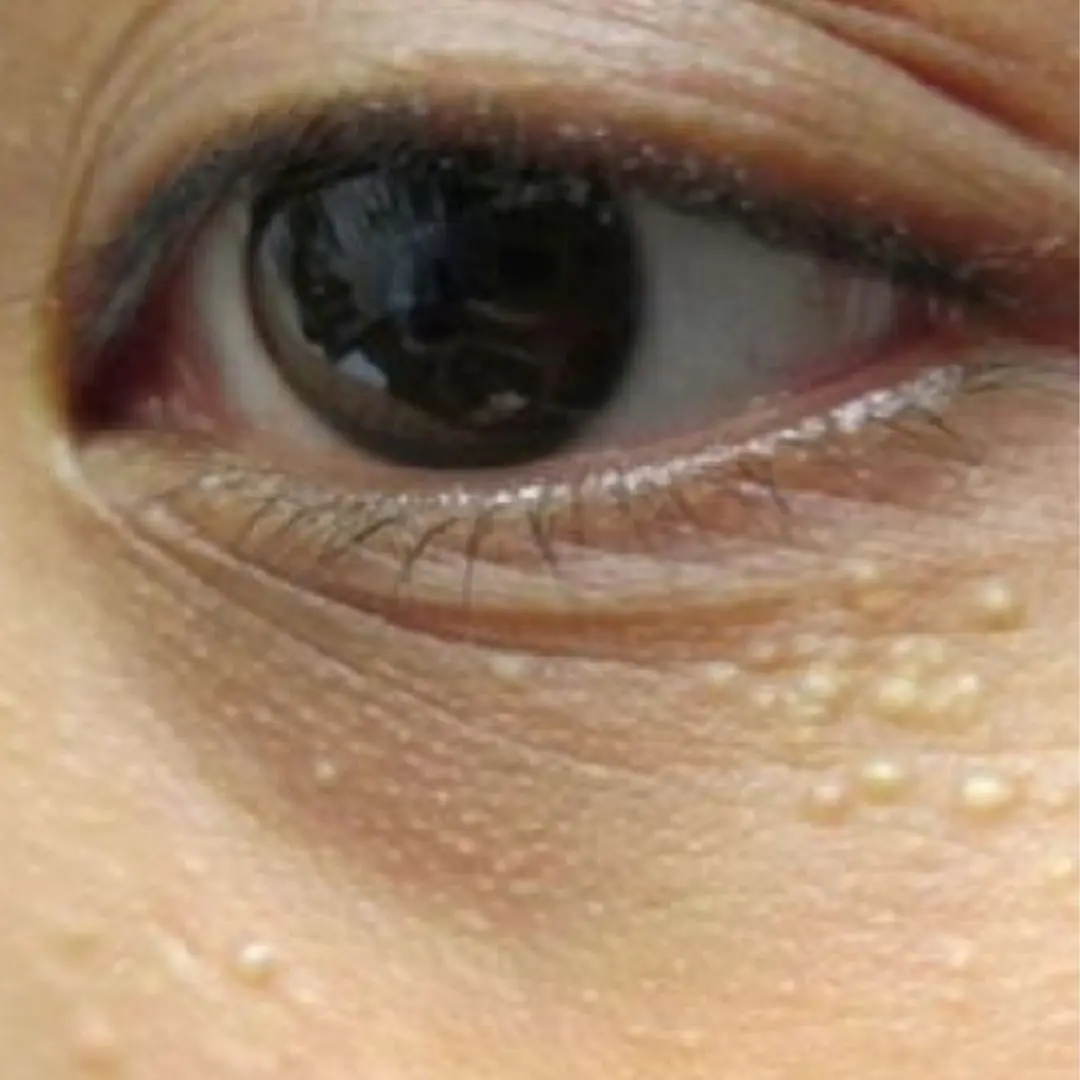
White Spots Under the Eyes? Here’s What Milia Really Is — Causes, Risks, and the Treatments That Actually Work

Just 1 oregano leaf per day and you won't suffer from any more.

5 signs that your kid.neys are weak, you should see a doctor immediately

5 amazing benefits your body gets when you eat one clove of garlic every day

The Age-Defying Herb: How Rosemary Supports Brain Health, Immunity, and Emotional Balance
News Post
After age 40, certain nighttime symptoms should never be ignored
Health 06/12/2025 22:52

Save a Ton of Electricity Just by Pressing One “Special” Button on Your Washing Machine — Many People Use It for Years Without Knowing
Facts 06/12/2025 21:52
Influenza A Spreads Quickly — If You Belong to These 6 Groups, You’re More Likely to Catch It
Health 06/12/2025 20:39

An Unexpected Farm Adventure Turns into a Family Reunion
Story 06/12/2025 19:38

Why Do Flight Attendants Choose to Stay at a Hotel Instead of Going Straight Home After Landing?
Facts 06/12/2025 19:29
If You Experience Nighttime Leg Cramps, Here’s What Your Body May Be Trying to Tell You
Health 06/12/2025 19:24
4 “Most To.xic” Vegetables Silently Dam.aging the Li.ver — Yet Common on Family Dining Tables
Health 06/12/2025 19:23
How does rheumatoid arthritis affect the body?
Health 06/12/2025 19:06
EARLY RECOGNITION OF MENINGITIS SYMPTOMS
Health 06/12/2025 18:56
Inguinal hernia needs to be detected early to avoid dangerous complications
Health 06/12/2025 18:48
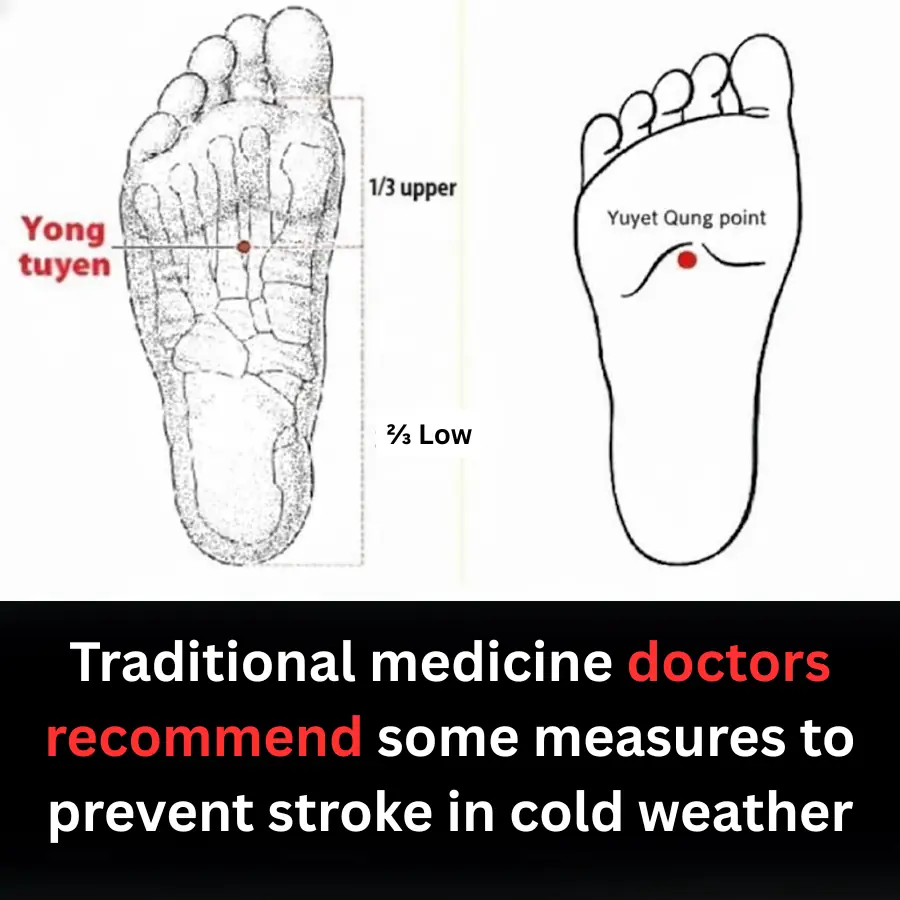
Traditional medicine doctors recommend some measures to prevent stroke in cold weather
Tips 06/12/2025 18:41
6 types of fish, no matter how cheap, should not be bought to eat: Even doctors are afraid
Health 06/12/2025 18:39

Cardiologist answers questions about clip instructing stroke check with finger that has millions of views on social networks
Facts 06/12/2025 18:31

Coffee is very good for your health but avoid drinking it at these two times.
Tips 06/12/2025 18:24
4 typical symptoms warning of pneumonia
Health 06/12/2025 18:16
Vision Loss Overnight: Urgent Warning of Ocular Artery Occlusion!
Health 06/12/2025 18:07
Back pain, urinary incontinence, then I'm sorry you have this terrible disease
Health 06/12/2025 18:01
The 'de.ath' signs of hypothermia
Health 06/12/2025 17:54
People who need to have their liver checked early and regularly
Health 06/12/2025 17:47