Vision Loss Overnight: Urgent Warning of Ocular Artery Occlusion!
Health 06/12/2025 18:07
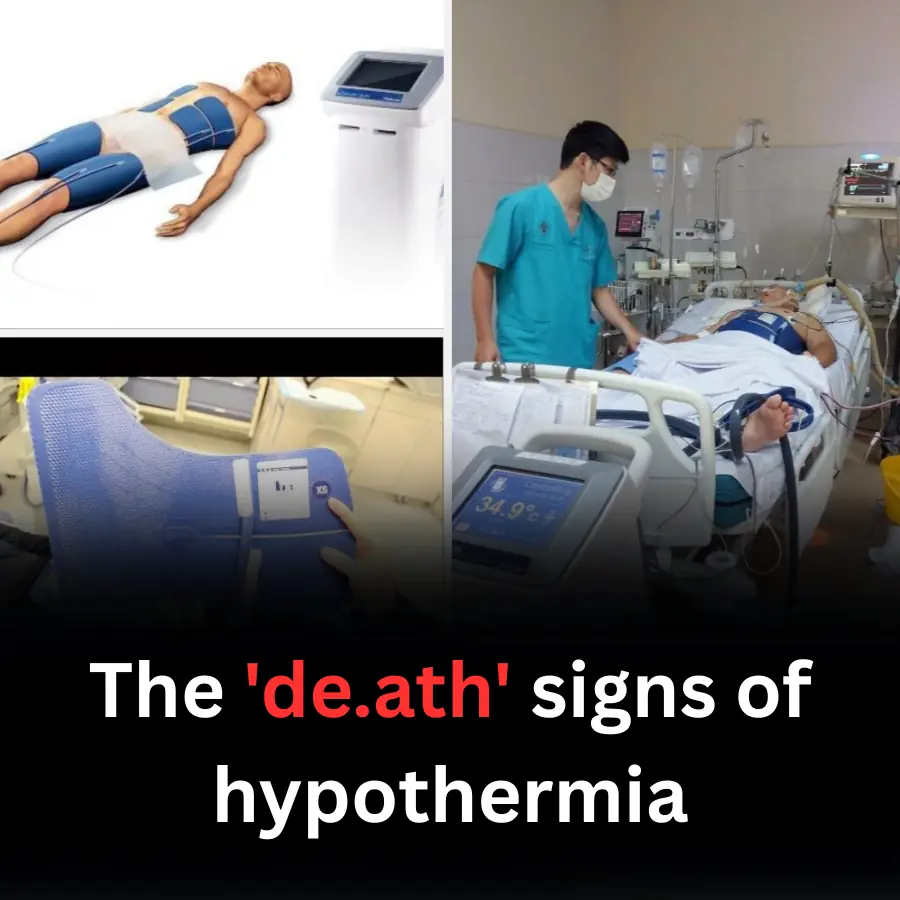
Hypothermia is an acute medical emergency in which the body’s core temperature drops below 35°C. In cold environments, time becomes the enemy; even a few hours—or sometimes just minutes—of carelessness can lead to multiple organ failure and death. Understanding the warning signs and mastering essential first-aid skills are crucial for saving lives in such dangerous situations.
Hypothermia develops gradually, progressing from mild to severe stages, but the most alarming indicator appears when the body stops shivering. This is not a sign of recovery but a warning that the body’s survival mechanisms are failing. If someone is visibly cold yet no longer shivering, immediate action is required.
Contrary to common assumptions, hypothermia can occur even in the absence of snow. Several silent factors contribute to the condition. Wet clothing caused by rain, snow, sweat, or full-body immersion accelerates heat loss up to 25 times faster than dry conditions due to evaporation. Alcohol consumption is another major culprit. Although it creates a temporary sensation of warmth, alcohol dilates blood vessels and speeds up the loss of core body heat. Certain groups—including infants, the elderly, and individuals with chronic conditions such as heart disease or diabetes—are particularly vulnerable because their bodies are less capable of regulating temperature effectively.
Providing first aid to a hypothermia victim requires extreme gentleness and precision, as improper actions can be fatal. The first step is to call emergency medical services and move the victim carefully away from cold, windy, or wet surroundings. Rubbing or massaging their body must be strictly avoided as it may trigger sudden and dangerous heart arrhythmias. Once in a safe environment, wet clothing should be removed or cut away carefully, and the victim’s body and head should be dried thoroughly.
Warming the body must focus on the core regions. The victim should be wrapped in dry blankets—preferably wool or thermal blankets—and heat should be applied to the chest, neck, armpits, and groin using warm water bottles wrapped in cloth. It is critically important not to warm the hands and feet first, as this can cause cold blood in the extremities to rush back to the heart, resulting in potentially fatal cardiac shock. If the person is fully conscious, small amounts of warm water, sweetened drinks, or hot soup may be given, but alcohol, coffee, and cigarettes must be strictly avoided.
Hypothermia is often not the result of bad luck but of inadequate preparation. Whether traveling, hiking, or simply facing harsh winter conditions, several preventive measures are essential. Dressing in three adjustable layers following the onion-layer principle helps regulate body temperature effectively. Waterproof gear should always be carried, as wet clothing poses severe danger in cold environments. Furthermore, cold water must never be underestimated; even water at moderate temperatures can induce serious hypothermia within just one hour.
Ultimately, awareness, preparedness, and rapid action form the thin line between life and death when confronting this silent but deadly threat.