When someone in the family passes away, the sadness of the moment often overshadows everything else. But in many cultures around the world, families believe that certain objects connected to the deceased should never be thrown away during the funeral period.
These items are considered meaningful, symbolic, and even protective — representing the person’s identity, blessings, and connection to loved ones.
Here are four things families are traditionally advised to keep rather than discard.
1. Personal identification items
Objects like ID cards, diaries, letters, or important documents carry the personal identity of the deceased.
Different cultural traditions believe that throwing these items away during the funeral can “cut off” the spiritual connection too abruptly. These items hold memories, stories, and details that may be needed later for family matters or inheritance procedures.
Even beyond tradition, identification items carry emotional weight. They represent who the person was — their handwriting, their thoughts, and their everyday life.
Keeping them allows the family to preserve the essence of the individual, honoring their presence even after they are gone.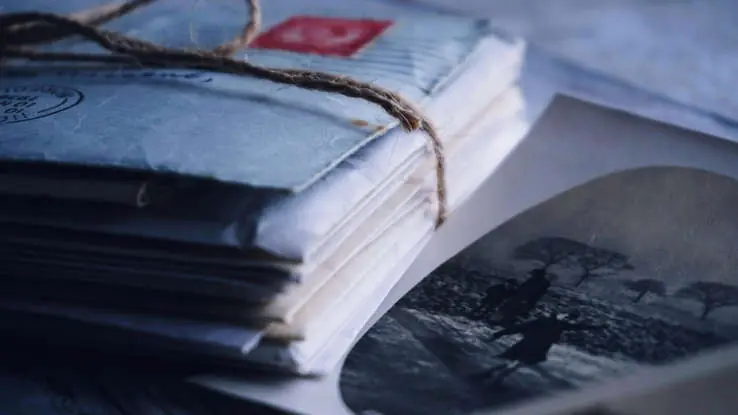
2. Objects worn close to the body
Accessories like watches, rings, glasses, or necklaces are often considered the most personal belongings.
Some traditions teach that these items still hold the warmth, energy, or “life imprint” of the person who wore them. Throwing them away during the funeral is seen as disrespectful or as a sign of cutting ties too quickly.
Practical reasons also matter: these items may have emotional value, financial value, or may serve as family heirlooms passed down through generations.
In many families, a ring or watch becomes a symbol of continuity — something that carries the memory of the departed into the future.
3. Items related to their faith or spiritual beliefs
For individuals who practiced a religion or spiritual tradition, items such as prayer books, rosaries, amulets, or spiritual jewelry hold deep significance.
These objects often represent protection, devotion, and a lifetime of belief. Throwing them away during a funeral is considered improper in many cultures, as they are tied to the deceased’s connection with the divine.
Instead, families often keep these items in a safe place, pass them to another family member, or store them respectfully.
They serve as reminders of the values the person lived by — their faith, their hopes, and their spiritual path.
4. Items the deceased used in their final days
Objects like their last blanket, pillow, or clothing may carry emotional importance.
Some traditions believe that these items hold residual energy from the person’s final moments and should be handled thoughtfully. They are not meant to be thrown away immediately, but instead cleansed, washed, or respectfully stored.
In many cultures, families keep these items temporarily until certain rituals are completed. Others choose to donate them later, turning the final possessions of a loved one into a blessing for someone in need.
The key is intention — handling these items with care acknowledges the transition between life and death.
Why these beliefs matter
Even if not everyone follows spiritual traditions, these customs carry a deeper meaning:
They invite families to slow down, reflect, and honor the memory of the person who has passed away.
Funerals are not only about saying goodbye — they are about preserving stories, respecting identity, and maintaining the emotional and cultural continuity of the family.
Objects left behind can become bridges between generations. A watch becomes a reminder of discipline and resilience. A notebook captures someone’s dreams or lessons. A necklace might symbolize love or protection.
These items help families feel connected, comforted, and grounded during one of the most difficult moments in life.
The bottom line
When someone in the family passes away, the instinct may be to clean things quickly or remove what feels painful to see. But many traditions teach the value of holding onto certain meaningful objects — not because they hold supernatural power, but because they preserve memory, identity, and emotional legacy.
Keeping these four types of items allows the family to honor the life that was lived, maintain cultural respect, and create a symbolic link that continues long after the funeral ends.