Snakes play an important ecological role by controlling pests such as rodents and insects. However, having them slither too close to your house or garden is not something most homeowners welcome. What many people don’t realize is that the types of plants you grow can significantly influence whether snakes are drawn to your property or choose to avoid it altogether.
Some plants create dense, cool, or food-rich environments that snakes find irresistible. Others naturally repel snakes with their strong scents or chemical compounds. If your goal is to maintain a snake-free outdoor space - or simply understand what might attract them - knowing the difference is essential.
Below is a detailed guide to six plants that are known to attract snakes and four plants that naturally help keep them away.
6 Plants That Attract Snakes
1. Creeping Thyme
Creeping thyme is a popular ground cover because of its fragrant scent and soft carpet-like growth. Unfortunately, its dense, low-lying foliage creates a perfectly shaded hideout for snakes. The tightly packed leaves give snakes a protected place to cool down during hot weather and conceal themselves from predators.
2. Jasmine
Whether you plant star jasmine as a vine or use jasmine as ground cover, the lush tangle of stems and leaves provides ideal shelter for snakes. The thick, layered structure of the plant makes it easy for snakes to slip underneath, especially in gardens where moisture is present. While jasmine’s sweet scent is beloved by humans, its leafy density is what makes it appealing to snakes.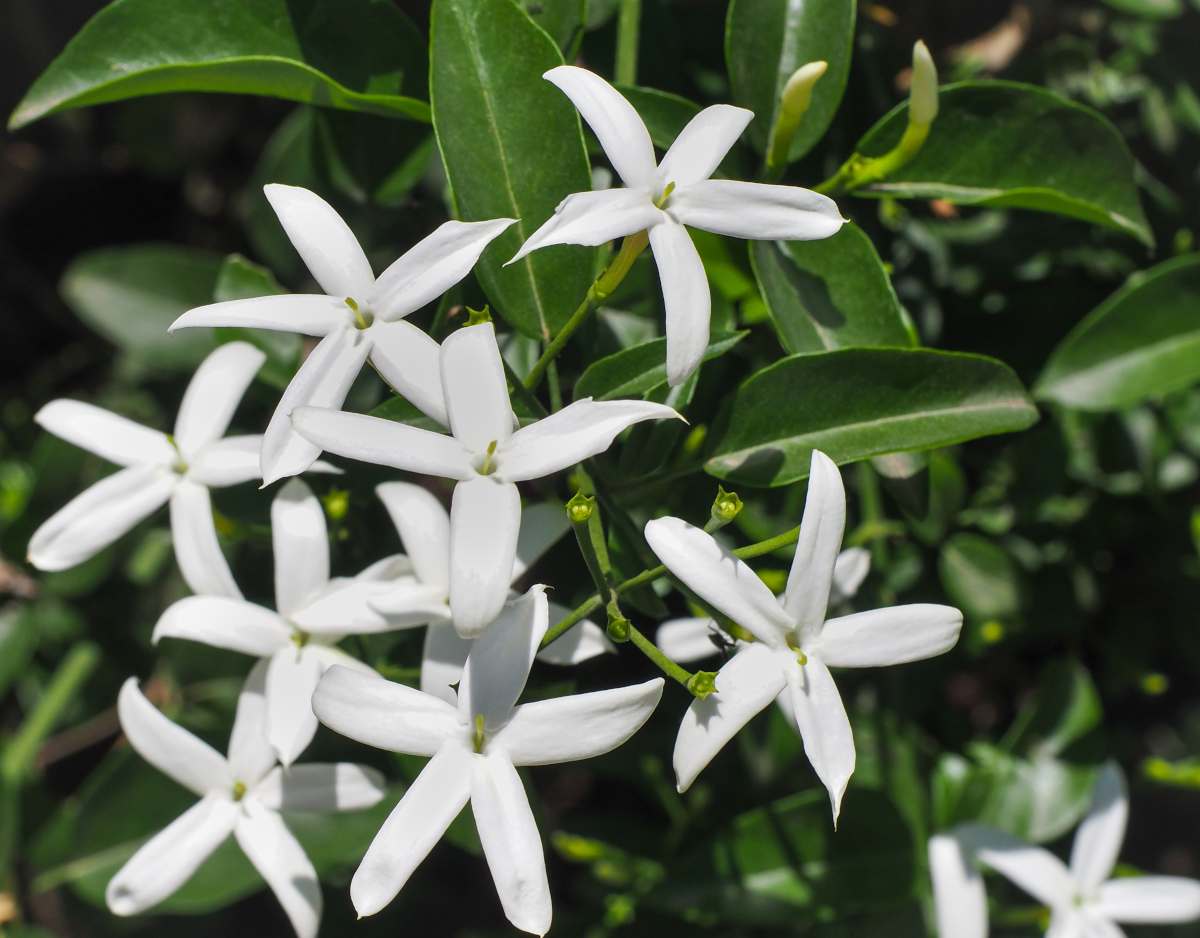
3. Mugwort
Often used for herbal remedies, mugwort has a reputation for being a snake magnet. This is not because snakes enjoy its scent, but because mugwort naturally attracts small animals like rodents and insects - prime food sources for snakes. Its bushy growth also creates shaded spaces where snakes can hide or hunt.
4. Wisteria
Wisteria vines are admired for their romantic cascades of purple flowers, but their vigorous, twisting growth creates an intricate maze of vines that snakes find irresistible. Once established, wisteria can form thick canopies and networks of stems that offer an excellent hiding environment. The shaded, humid pockets inside the vines provide the perfect retreat for snakes seeking protection.
5. Mint
Although mint is famous for its refreshing fragrance, the plant’s fast-spreading, bushy growth pattern can unintentionally attract snakes. Mint often forms dense clusters that create cool, shaded spaces close to the ground. If the mint bed is overgrown or damp, it becomes an even more inviting habitat for snakes looking for concealment.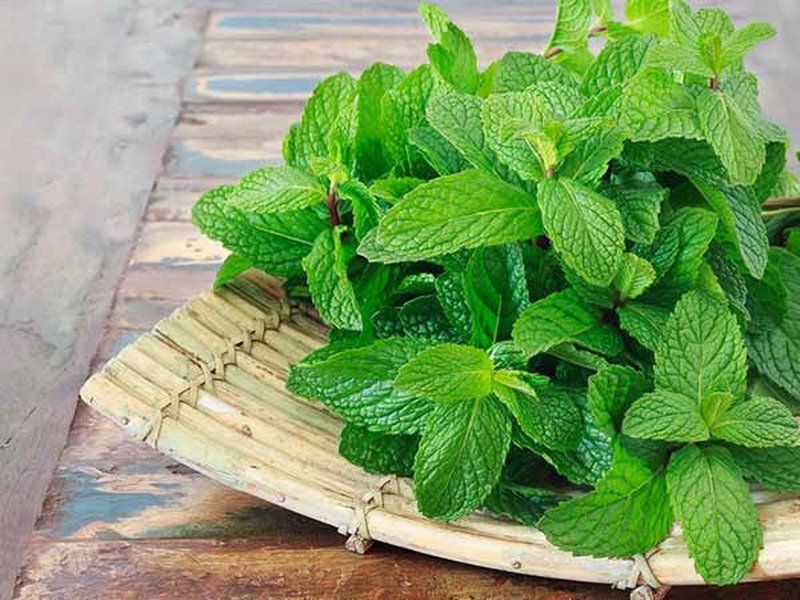
6. Morning Glory
Known for their beautiful trumpet-shaped flowers, morning glories quickly climb and spread, forming thick clusters of foliage. Snakes are drawn to the shaded pockets created by the leaves and stems. Additionally, morning glories attract a variety of insects—another source of food for snakes—which increases the likelihood of snakes frequenting areas where the vines are allowed to grow unchecked.
4 Plants That Keep Snakes Away
If you prefer to make your garden less inviting to snakes, consider adding plants known for their strong scents or naturally repellent properties.
1. Marigolds
Marigolds emit a strong odor that many pests—including snakes—find unpleasant. Their roots also produce chemicals that deter insects and small creatures that snakes feed on. Planting marigolds around garden borders can act as a natural snake-repelling barrier.
2. Garlic
Garlic is one of the most effective snake-deterrent plants thanks to its pungent smell. Snakes rely heavily on their sense of smell to navigate, and the sulfur compounds emitted by garlic are overwhelming to them. Planting garlic along pathways, fences, or near the home foundation can discourage snakes from entering the area.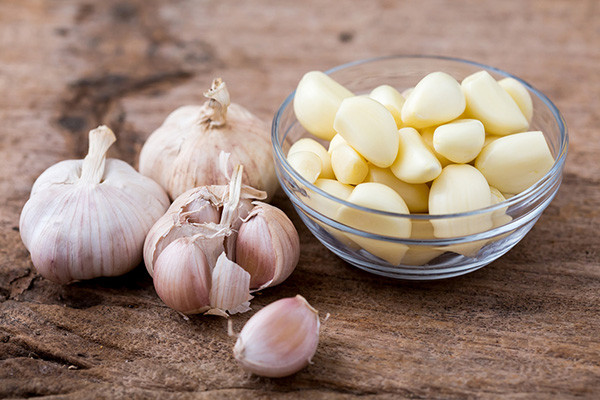
3. Onions
Closely related to garlic, onions also produce strong sulfur compounds that snakes dislike. Their sharp aroma forms a natural shield around the garden, making it far less appealing to slithering visitors. Planting onions among vegetables or around the perimeter of the yard can help reinforce your snake-free zone.
4. Lavender
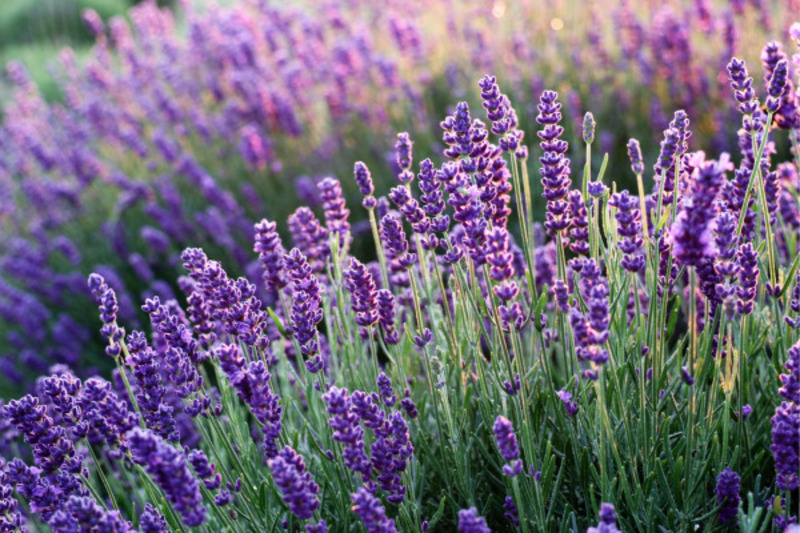
Lavender’s fragrance is adored by humans but is surprisingly off-putting to snakes. Its aromatic oils irritate a snake’s highly sensitive scent receptors, encouraging them to avoid areas where lavender grows. Planting lavender not only discourages snakes but also adds beauty and attracts beneficial pollinators.
Conclusion
Understanding how plants influence snake behavior can help you create a garden environment that aligns with your comfort level. If you want to keep snakes at a distance, choose repellent plants such as:
• Marigolds
• Garlic
• Onions
• Lavender
On the other hand, if you do not mind snakes - or if you appreciate the pest control they provide - you might include plants such as:
• Creeping thyme
• Jasmine
• Mugwort
• Wisteria
• Mint
• Morning glory
Remember: Plants alone cannot completely control snake presence. Good garden maintenance plays an equally important role. Keeping grass trimmed, removing clutter, clearing wood piles, and eliminating standing water will drastically reduce the hiding spots snakes prefer.
By choosing the right plants and maintaining a tidy yard, you can create a safer, more comfortable outdoor space - one that either discourages or supports wildlife in the way you prefer.