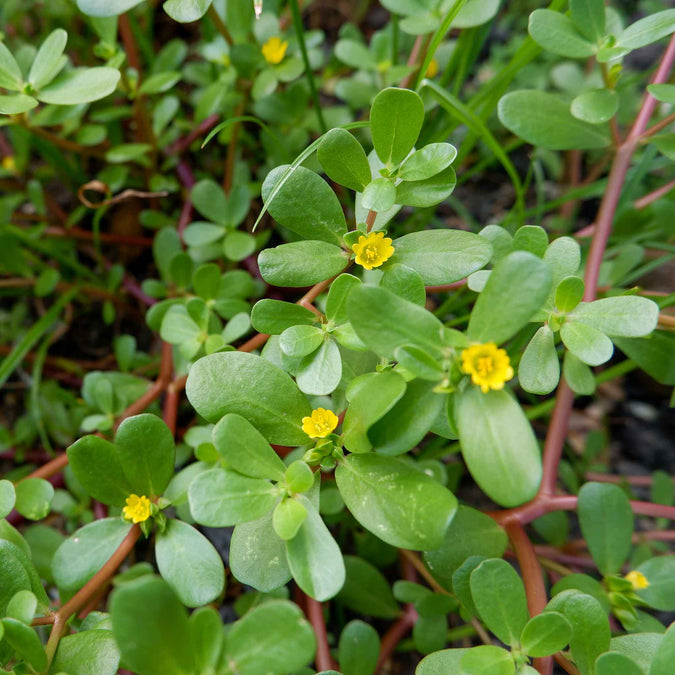
It creeps quietly across sidewalks, slips between pavement cracks, and appears uninvited in garden beds. Most people uproot it without hesitation, assuming it’s just another nuisance weed. But in reality, purslane (Portulaca oleracea) is anything but ordinary. This hardy succulent is a nutritional powerhouse, a medicinal gem, and a surprisingly versatile culinary ingredient.
Once dismissed as a common weed, purslane is now gaining recognition from chefs, herbalists, and researchers around the world. Its long history in traditional medicine and its recent rise as a modern superfood prove that this humble plant has been hiding extraordinary qualities all along.
Below are 11 remarkable truths about purslane — the wonder plant we’ve been overlooking for far too long.
1. One of the Most Nutrient-Dense “Weeds” on the Planet
What many people view as an unwanted plant is actually among the most nutritionally rich leafy greens ever studied. Purslane offers:
• More Omega-3 fatty acids than any other leafy vegetable — even rivaling certain fish
• High levels of vitamins A, C, and E, plus B-complex vitamins
• Essential minerals, including magnesium, potassium, calcium, and iron
• Potent antioxidants like beta-carotene, glutathione, and melatonin
With such a dense nutritional profile, purslane has earned the nickname “superweed” — a plant that nourishes instead of irritates.
2. One of the Oldest Edible Plants in Human History
Purslane has been part of the human diet for thousands of years. Archeologists have found its seeds in prehistoric sites, and ancient Egyptian, Greek, Persian, and Chinese texts all mention it.
• In Greece, it was sautéed with olive oil and garlic.
• In China, it was used to cool inflammation and detoxify the body.
• Indigenous peoples in the Americas ate purslane as both food and medicine.
Despite its modern reputation as a weed, its cultural and medicinal heritage tells a very different story.
3. A Rare Plant Source of Omega-3 Fatty Acids
Few plants naturally contain Omega-3s — but purslane is exceptionally rich in alpha-linolenic acid (ALA), a plant-based Omega-3 known for supporting:
• Heart health
• Cognitive function and mood balance
• Reduced inflammation
• Skin repair and cellular regeneration
This makes purslane especially valuable for people who follow vegan or vegetarian diets and need accessible plant-based Omega-3 sources.
4. A Champion of Survival — It Thrives Almost Anywhere
Purslane’s resilience borders on miraculous. It can flourish in dry, sandy, nutrient-poor soil and can withstand extreme heat. Its succulent leaves store water, allowing it to survive long droughts.
Even more remarkable, purslane can switch between two types of photosynthesis — C4 and CAM — depending on environmental stress. This adaptability allows it to conserve moisture while continuing to grow.
Simply put: purslane isn’t just tough — it’s a botanical master of survival.
5. A Natural Brain-Boosting Food
The combination of Omega-3s, antioxidants, and minerals makes purslane a natural ally for brain health. Traditional medicine has long used it to enhance memory, sharpen focus, and lift mood.
Emerging research suggests its compounds may even help protect against cognitive decline, including conditions such as Alzheimer’s disease.
Adding fresh purslane to salads or smoothies is an effortless way to nourish the brain daily.
6. Rich in Anti-Inflammatory and Healing Compounds
Purslane contains high levels of betalains — pigments with powerful anti-inflammatory and antioxidant properties. These compounds help soothe internal inflammation and may reduce the risk of chronic illnesses such as arthritis, diabetes, and cardiovascular disease.
Traditional healers used crushed purslane on burns, insect bites, and skin irritations, thanks to its cooling and restorative effects. Today, herbal practitioners sometimes recommend it for conditions like eczema and acne.
7. Supports Natural Heart Health
Purslane’s blend of Omega-3s, potassium, magnesium, and antioxidants creates a potent cardiovascular support system. These nutrients help:
• Balance cholesterol
• Maintain healthy blood pressure
• Improve arterial elasticity
• Reduce oxidative stress
Incorporating purslane into meals can help strengthen heart function naturally.
8. Naturally Contains Melatonin — The Sleep Hormone
One of purslane’s most surprising attributes is its natural concentration of melatonin. Few edible plants contain meaningful amounts of this hormone, which regulates sleep cycles and supports nighttime recovery.
Eating purslane in the evening — or pairing it with dinner — may encourage more restful sleep.
9. A Delicious, Versatile Ingredient in the Kitchen
Despite being labeled a weed, purslane is flavorful and refreshing. Its taste is crisp, tangy, slightly lemony, and pleasantly succulent.
Ways to enjoy purslane include:
• Raw — Add to salads for a crunchy, citrusy kick
• Sautéed — Cook with olive oil, garlic, and lemon
• Pickled — Preserve stems and leaves in brine
• Soups and stews — Stir in at the end of cooking
• Smoothies — Blend with greens for an Omega-3 boost
Cuisines in Mexico, Turkey, Lebanon, and many Mediterranean regions already celebrate purslane as a gourmet green.
10. A Natural Protector of Soil
Beyond its nutritional value, purslane is environmentally beneficial. Its spreading growth shields soil from erosion, traps moisture, and improves soil structure.
Some regenerative farmers intentionally cultivate purslane as a “living mulch” — a plant that reduces weeds, protects the soil, and still offers edible greens.
11. Modern Science Is Beginning to Validate Its Ancient Reputation
For centuries, purslane was praised for its healing qualities. Today, researchers are uncovering scientific evidence behind those traditional claims.
Recent studies suggest purslane may help:
• Improve insulin sensitivity
• Fight harmful microbes
• Protect the stomach lining
• Accelerate wound repair
• Reduce oxidative stress in cells
As research expands, purslane is emerging not only as an edible plant but as a functional food with therapeutic potential.
How to Identify and Use Purslane
To safely identify purslane:
• Leaves: Smooth, thick, spoon-shaped, slightly glossy
• Stems: Reddish, smooth, succulent
• Flowers: Small and bright yellow
• Sap: Clear (its toxic look-alike, spurge, has milky sap)
Growing Tips
• Grows easily from seeds or cuttings
• Loves warm, sunny environments
• Requires minimal watering
• Harvest young leaves for the best texture and flavor
How to Store
• Wrap fresh purslane in a damp cloth and refrigerate for up to 4 days
• Pickle or dry for long-term preservation
Precautions
Purslane is safe for most people, but:
• It contains oxalates, which may worsen kidney stone risk for those prone to them
• Avoid harvesting from polluted or roadside areas
• Always wash thoroughly before consuming
A Weed Worth Celebrating
It’s almost ironic that one of the most nutrient-packed plants in the world is often pulled up and discarded. Purslane — once dismissed as a stubborn weed — is now being recognized as a sustainable superfood with remarkable versatility and resilience.
At a time when soil health, nutrition, and food sustainability are global concerns, purslane stands out as a brilliant example of nature’s quiet intelligence: thriving in harsh conditions, nourishing the body, and enriching the earth.
The next time you see those glossy green leaves creeping along your garden path, think twice. You may be looking at one of nature’s most undervalued gifts — a true botanical wonder hiding in plain sight.