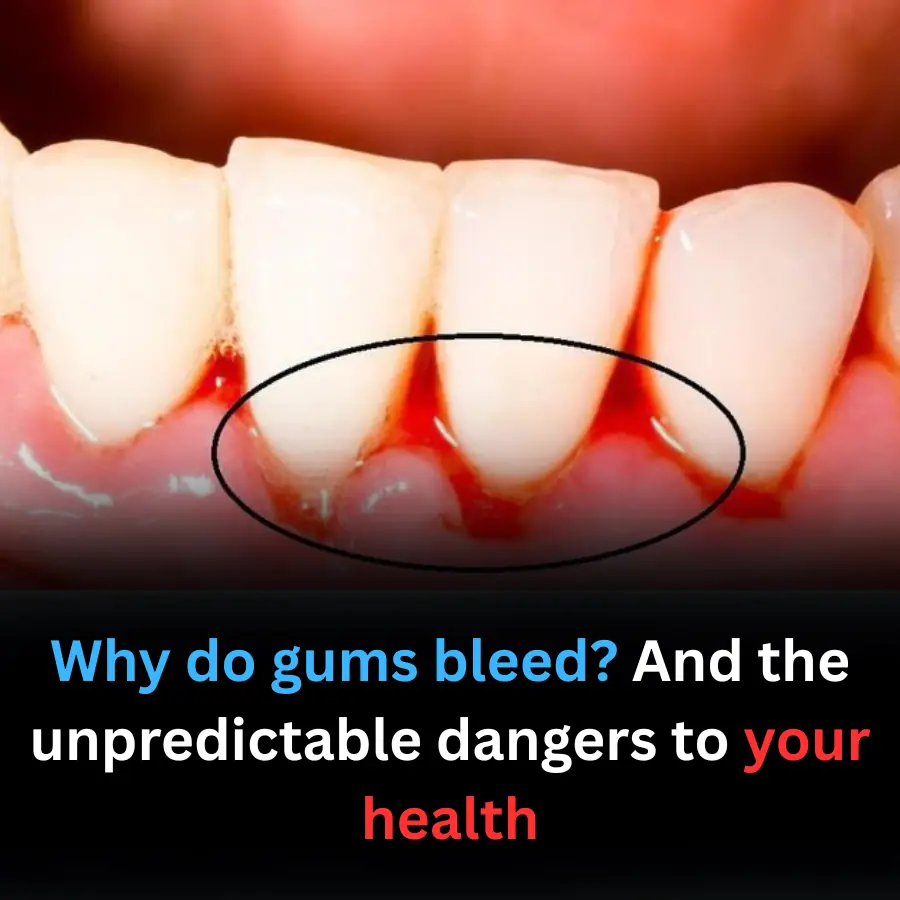
Bleeding gums not only cause discomfort but can also signal underlying oral or overall health issues. Understanding the causes and prevention methods can help protect your gums effectively.
Causes of bleeding gums
Bleeding gums is a common issue that often appears when brushing teeth. It may be accompanied by other symptoms such as bad breath or swollen gums. Common causes include:
-
Vitamin deficiency or malnutrition: Lack of vitamins and minerals, especially vitamin C and K, can lead to gum bleeding. Symptoms may also include bone pain, fatigue, drowsiness, or shortness of breath (due to vitamin C deficiency).
-
Blood-thinning medications: Some medications that reduce blood clotting can cause gums to bleed.
-
Hormonal changes: In women, puberty, pregnancy, menopause, or use of birth control pills can lead to hormonal changes, resulting in gum bleeding.
-
Dengue fever: Severe dengue can cause bleeding in the skin, gums, nose, and potentially digestive or brain hemorrhage, which can be life-threatening.
-
Oral cancer: May cause gum bleeding, bad breath, difficulty chewing or swallowing, swollen lymph nodes, and mouth ulcers.
-
Other health conditions: Anemia, infections, breast cancer, and other diseases can also contribute to gum bleeding.
Bleeding gums as a sign of oral disease
Bleeding gums can indicate various gum diseases or other health issues:
-
Periodontitis: Inflammation of the tissues surrounding the teeth, progressing silently, can lead to loose or lost teeth. A characteristic symptom is bleeding caused by tartar buildup.
-
Gingivitis: Poor oral hygiene leads to plaque and tartar formation, causing inflammation. Common signs include bleeding gums, redness, swelling, and bad breath.
-
Tooth abscess: Untreated cavities or broken teeth allow bacteria to enter, forming pus-filled pockets. Symptoms include tooth and gum pain, fever, facial swelling, and gum bleeding.
What to do if your gums bleed
If you experience bleeding gums, visit a dental specialist for diagnosis and treatment. Additionally, you should:
-
Maintain proper oral hygiene
Brush at least twice daily and use dental floss once a day to remove plaque along the gum line. Good oral hygiene is particularly important for pregnant women due to hormonal changes. -
Use mouthwash
Specialized mouthwash can strengthen gums and help control bleeding. It can be used after brushing or after meals. -
Quit smoking
Smoking increases the risk of gum disease as nicotine reduces immunity, making it harder for the body to fight plaque bacteria. Quitting helps maintain healthy gums and reduce bleeding. -
Reduce stress
Prolonged stress negatively affects the immune system, reducing the body’s ability to fight gum infections. Maintaining a relaxed state helps overall health. -
Improve nutrition
Foods rich in vitamin C boost immunity, support gum health, and reduce bleeding. Vitamin K helps blood clot properly, reducing gum bleeding risk. Drinking green tea daily provides catechins, antioxidants that reduce inflammation and prevent periodontal disease. -
Rinse with warm salt water
Rinsing with a warm saltwater solution 2–4 times daily helps reduce bacteria and inflammation, supporting gum bleeding control.