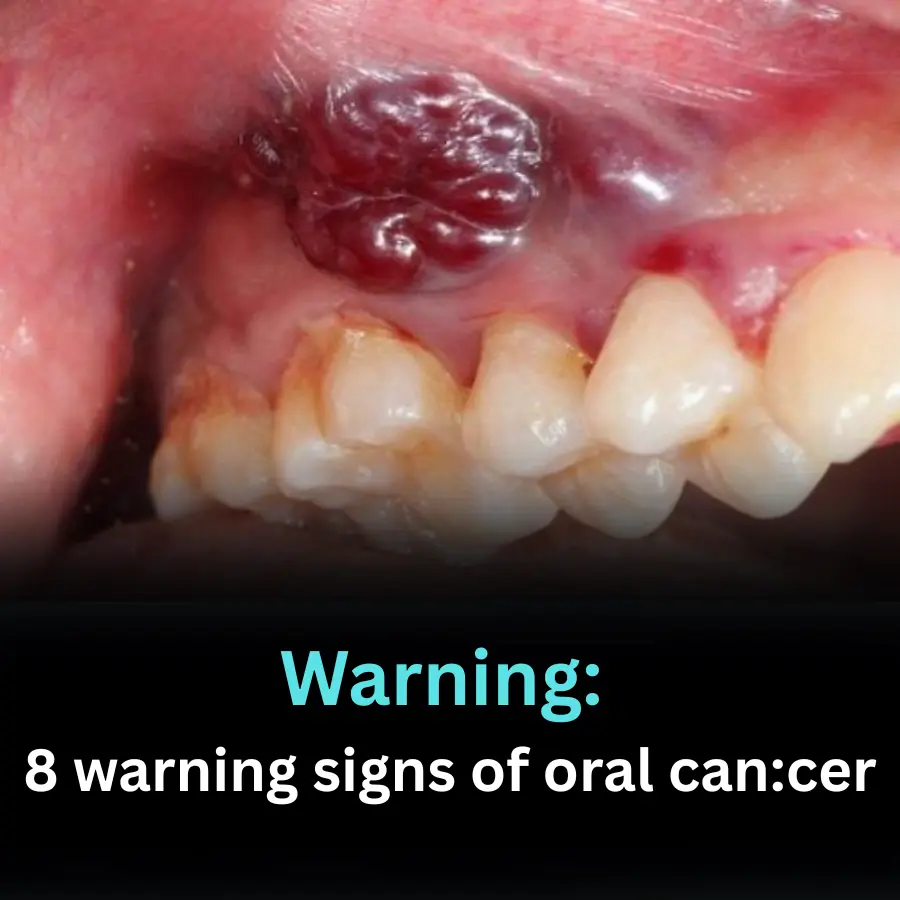
Oral cancer is a malignant disease that can develop in any part of the oral cavity. Because its symptoms are often similar to other oral infections, patients usually seek medical attention only at advanced stages.
The oral cavity is the beginning of the digestive tract, connecting the inside and outside of the body. It includes the lips, cheeks, teeth, gums, hard and soft palate, tongue, tonsils, and salivary glands. Oral cancer is malignant and can occur anywhere within this cavity, but its symptoms often resemble common oral inflammations, causing patients to delay visiting a doctor until the disease is more advanced.
Stages of oral cancer
Oral cancer is classified into four stages based on tumor size and the likelihood of metastasis:
-
Stage 1: Tumor smaller than 2 cm with no lymph node involvement.
-
Stage 2: Tumor between 2–4 cm with no lymph node involvement.
-
Stage 3: Tumor larger than 4 cm without lymph node spread, or any size tumor that has spread to one lymph node but not to other body parts.
-
Stage 4: Tumor of any size that has spread to nearby tissues, lymph nodes, or other organs.
8 signs to recognize oral cancer
-
Persistent pain in the oral cavity without an obvious cause, which worsens over time. Ulcers in the mouth increase pain, and if cancer cells invade surrounding nerves, pain may radiate to the ears and throat.
-
Healthy oral mucosa is pale pink, but in oral cancer, the mucosa may appear pale or dark due to epithelial changes.
-
Oral cancer often spreads to neck lymph nodes, causing sudden swelling.
-
Invasion into the jaw or muscles controlling mouth movement can lead to stiffness, pain, and difficulty opening the mouth.
-
Mouth ulcers resembling canker sores that do not heal after two weeks, causing burning and pain.
-
Reduced tongue mobility, difficulty eating, speaking, and swallowing. Other symptoms may include numbness, loss of sensation, unexplained nosebleeds, or facial nerve numbness.
-
Non-healing lesions after tooth extraction, redness, and easy bleeding when touched. Oral cancer can cause facial asymmetry, loose teeth, or tooth loss.
-
Oral bleeding: A serious symptom indicating advanced oral cancer, where even light contact can trigger bleeding.
Risk factors for oral cancer
-
Tobacco use and alcohol consumption: The two main causes of head and neck cancers, including oral cancer.
-
Viral infections and genetic conditions: Infection with Herpes or HPV (Human Papilloma Virus), Xeroderma pigmentosum, anemia, Fanconi syndrome, etc.
-
Precancerous oral lesions: Such as leukoplakia, erythroplakia, chronic hyperplastic Candida infections, or persistent trauma-induced ulcers.
Prevention tips
To reduce the risk of oral cancer, avoid tobacco and limit alcohol to prevent oral cells from exposure to carcinogens. Increase intake of vitamin-rich fruits and vegetables, especially carrots, and maintain regular dental check-ups every six months.