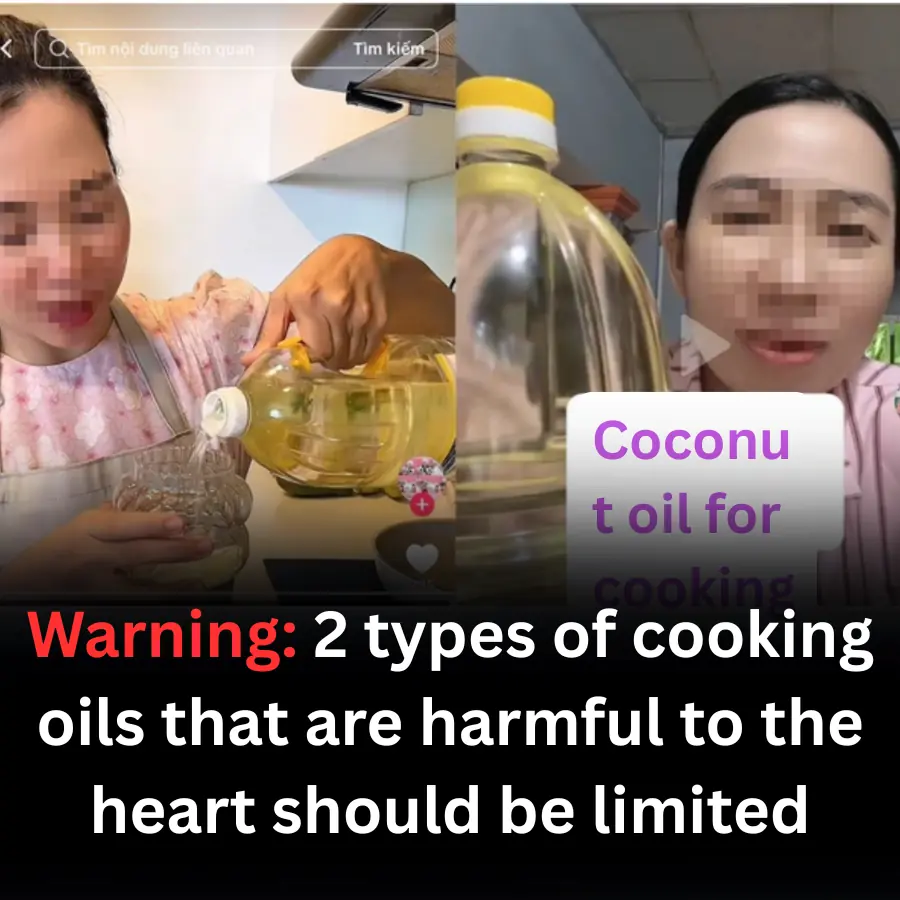
Eating oil is an indispensable ingredient, but using the wrong type or using it incorrectly can turn it into a silent killer for cardiovascular health. Experts warn that home cooks should be cautious with two types of cooking oil below.
As fast foods such as fried chicken, French fries, and packaged foods become increasingly popular, the rates of cardiovascular diseases and cancer in Vietnam are rising alarmingly. Health experts caution that this convenience comes at the cost of health, as people unintentionally consume two dangerous types of cooking oil that pose risks to heart health.
Many people mistakenly believe that simply choosing vegetable oil is enough to stay healthy. However, the truth is more complicated. Under industrial processing or improper cooking habits, even the best oils can degrade and generate compounds that cause cancer and atherosclerosis.
-
Unhealthy cooking oils
According to Dr. Le Thi Huong Giang (Head of the Nutrition and Dietetics Department, Hospital 19-8), the oils that should be limited are those high in saturated fatty acids and trans fats. Specifically, these fats are present in palm oil and coconut oil. Additionally, these two types of oil can form harmful oxidized compounds when reused multiple times for frying.
The harms of reheating oil multiple times: This is a common money-saving habit among many home cooks who believe that oil used once but still looks clear is safe to reuse. In reality, the oil’s chemical structure is damaged from the very first high-heat exposure, generating harmful substances. High temperatures alter fatty acid structures, converting healthy fats into trans fats. These trans fats increase bad cholesterol (LDL), reduce good cholesterol (HDL), and directly contribute to arterial blockage and stroke.
Besides limiting the two oils mentioned above, it is essential to follow the principle of using cooking oil only once. Excess oil after frying should be discarded or repurposed for pet food (if appropriate). It should never be reused for human consumption.
Which cooking oils should be chosen?
Dr. Giang recommends choosing vegetable oils rich in unsaturated fatty acids for daily cooking, such as:
-
Soybean oil, rice bran oil, sunflower oil
-
Olive oil
-
Canola oil
-
Peanut oil, sesame oil (used at moderate temperatures)
These oils contain Omega-3, 6, and 9, which support cardiovascular health, reduce LDL-C, and help regulate blood cholesterol. To maximize benefits, you should rotate different oils depending on their uses: olive oil for salads, rice bran oil for moderate frying, soybean oil for stir-frying, etc. Note the following:
-
Limit deep-frying
-
Combine oil intake with natural fats from foods such as fatty fish, walnuts, chia seeds, flaxseeds… to supplement Omega-3
Should you use pork lard or cooking oil?
According to Dr. Giang, besides vegetable oils, pork lard is also commonly used by many households. It can be used in moderation, preferably lard rendered cleanly and not reused for frying. Pork lard contains fat-soluble vitamins beneficial to health, but should be limited for people with high cholesterol, cardiovascular disease, or obesity.
For most Vietnamese people, using cooking oil or pork lard effectively is not only about choosing the right type but also balancing portions in each meal and combining natural fat sources to support overall health.