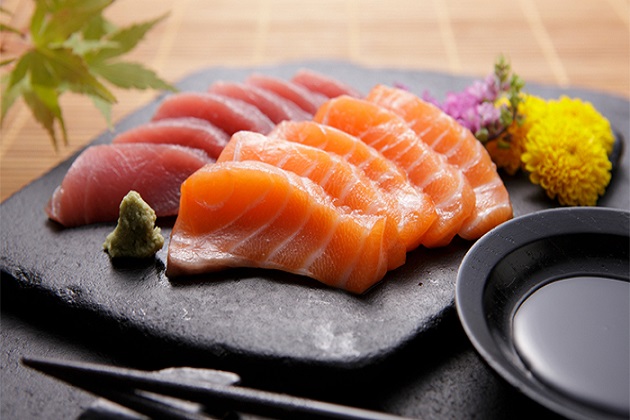
Japan is famous for its rich culinary culture built around raw fish - sushi, sashimi, donburi, chirashi bowls, and seafood served fresh from the ocean. While many people around the world hesitate to eat raw fish because of parasite risks, Japanese diners enjoy these dishes confidently and safely.
So why can Japanese people eat raw fish almost every day without fear?
The answer lies in centuries of food culture, strict seafood standards, modern technology, and scientific regulation. Below is an in-depth explanation of the seven major reasons that make raw fish remarkably safe in Japan.
1. Ultra-Strict Food Safety Regulations
Japan has some of the strictest seafood safety laws in the world.
Before fish can be served raw:
-
It must be inspected
-
It must pass parasite screening
-
It must be handled at controlled temperatures
-
Certain species must be frozen to parasite-killing temperatures
The Japanese Ministry of Health enforces rules that restaurants must follow or risk losing their license.
This regulatory system ensures raw fish is not just fresh - it’s professionally verified as safe.
2. Japan Favors Species With Low Parasite Risk
Not all fish are equal when it comes to parasites.
Japanese cuisine traditionally uses species that naturally carry few or no parasites, such as:
-
Tuna (maguro)
-
Salmon that has been frozen
-
Hamachi (yellowtail)
-
Sea bream
-
Scallops
-
Shrimp
-
Various shellfish
-
Farmed fish raised in controlled environments
High-risk wild fish like freshwater species are rarely used for raw dishes.
Japan’s culinary tradition evolved to prioritize safe ocean species, which reduces parasite exposure dramatically.
3. Mandatory Deep-Freezing to Kill Parasites
Even high-quality fish must often be flash-frozen before becoming sushi or sashimi.
Typical parasite-killing standards include:
-
–20°C (–4°F) for at least 24 hours, or
-
–35°C (–31°F) for 15 hours
These freezing temperatures kill parasitic larvae such as Anisakis, the most common marine parasite.
Most Japanese fish suppliers use industrial freezers that instantly drop the temperature, preserving texture while eliminating risk. This is why frozen-but-fresh sushi-grade fish still tastes amazing.
4. Japan Has an Advanced Cold Chain System
From ocean to restaurant, fish in Japan travels through a cold chain that is:
-
Extremely fast
-
Temperature-controlled
-
Carefully monitored
This prevents bacterial growth and keeps fish safe for raw consumption.
Japan’s seafood distribution network is one of the most efficient in the world, with major cities receiving fresh catch within hours, not days.
5. Highly Skilled Fish Handlers and Sushi Chefs
Japanese fish markets and sushi chefs train for years to understand:
-
Which parts of a fish may contain parasites
-
How to visually detect parasite larvae
-
How to cut fish to avoid contaminated tissue
-
Proper hygiene and handling techniques
For example, parasites usually hide in the body cavity near the stomach, not in the muscle used for sashimi.
Trained chefs know exactly how to remove these areas safely.
This level of expertise is rare in many countries, making Japanese raw fish significantly safer.
6. Aquaculture Practices Reduce Parasite Exposure
Japan produces a large amount of farm-raised fish, such as salmon and yellowtail, raised in controlled environments with:
-
Clean water
-
Monitored feed
-
Parasite prevention protocols
Because farmed fish don’t eat infected prey, they are much less likely to carry parasites compared to wild fish.
7. Centuries of Culinary Evolution
Japanese food culture has refined raw fish preparation for over 1,200 years.
Through trial, tradition, and technological innovation, Japan developed:
-
The safest fish species to eat raw
-
The best storage and preparation methods
-
Natural detection techniques
-
Cultural knowledge about seafood risks
This deep experience is part of why foodborne illness from raw fish is relatively rare in Japan compared to many other countries.
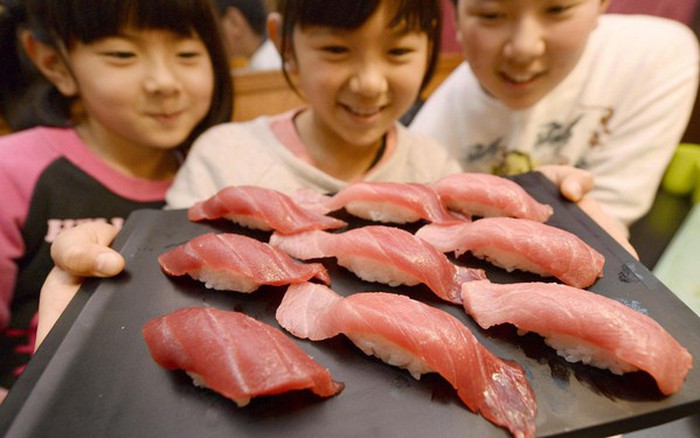
Do Japanese People Still Get Parasite Infections?
Occasionally, yes - especially from certain wild fish species like mackerel or squid.
However, these cases are:
-
Far less common than in Western countries
-
Usually caused by home preparation, not restaurants
-
Quickly treated and reported
Thanks to strict food safety standards, risk remains extremely low.
What About Eating Raw Fish Outside Japan?
In other countries, the risk may be higher if:
-
Raw fish is not frozen properly
-
Restaurants do not follow safety protocols
-
Fish species unsuitable for raw consumption are used
-
Hygiene and handling standards are inconsistent
This is why “sushi-grade” or “sashimi-grade” labeling is important.
Conclusion: Why Japan Can Safely Eat Raw Fish Daily
Japanese people are able to eat raw fish confidently because their system prioritizes safety at every stage, from ocean to plate. The combination of:
-
Safe species selection
-
Deep-freezing standards
-
Skilled chefs
-
Strict government regulation
-
Efficient cold-chain transportation
-
Aquaculture control
-
Centuries of experience
…creates an environment where raw fish is both delicious and extremely safe.
Raw fish isn’t just food in Japan - it’s a carefully maintained culinary science.