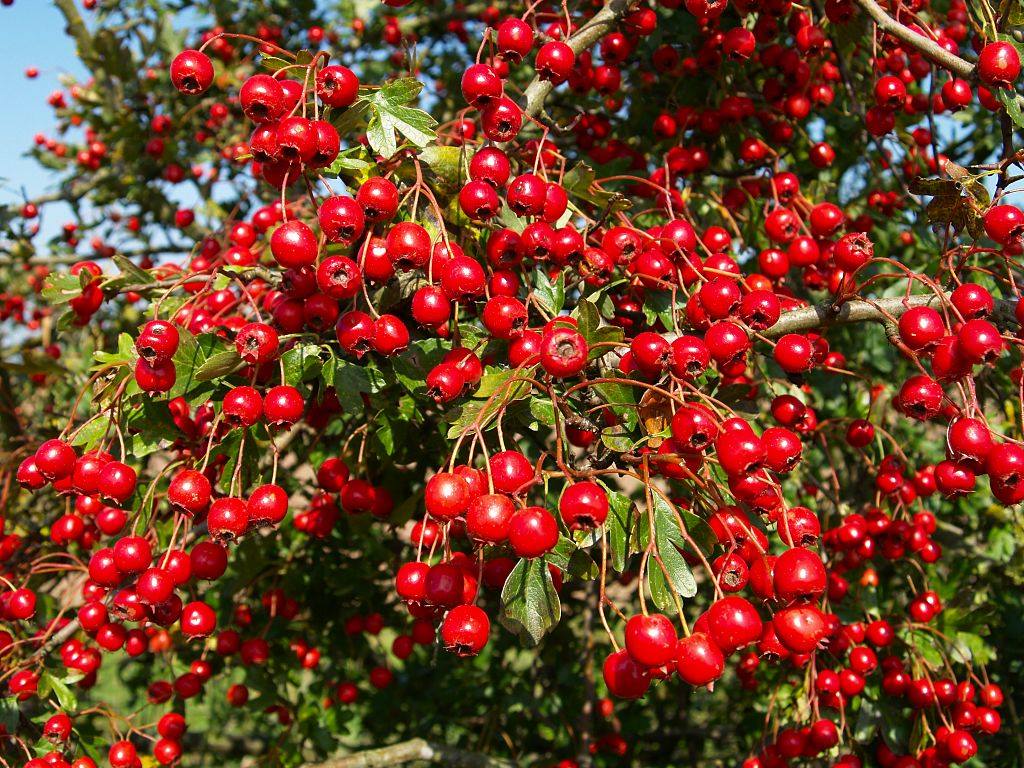
Hawthorn, a small thorny shrub belonging to the genus Crataegus, has been used for centuries as one of the most important heart-supporting plants in traditional European and Chinese medicine. With its clusters of bright red berries, delicate white flowers, and powerful phytochemicals, hawthorn is now recognized by modern science for its remarkable benefits for cardiovascular health, circulation, and cholesterol balance.
Today, hawthorn is considered one of nature’s strongest herbal allies for heart wellness. From supporting healthy blood pressure to improving cholesterol ratios and increasing blood flow, this humble plant provides a holistic, gentle, and effective approach to heart care.
Below is a comprehensive look at hawthorn’s history, science-backed benefits, and how to use it safely and effectively.
What Is Hawthorn?
Hawthorn (Crataegus) is a genus of shrubs and small trees found across Europe, Asia, and North America. The parts most commonly used for medicinal purposes include:
-
Berries (haws)
-
Leaves
-
Flowers
Each contains unique plant compounds that contribute to hawthorn’s powerful therapeutic effects.
Nutritional and Medicinal Compounds in Hawthorn
Hawthorn is rich in:
-
Flavonoids (quercetin, vitexin, hyperoside)
-
Proanthocyanidins
-
Triterpenes
-
Phenolic acids
-
Antioxidants
-
Fiber (in berries)
These compounds work together to improve circulation, protect blood vessels, and regulate heart function.
Why Hawthorn Is a Heart-Healthy Super Herb
Hawthorn's benefits are especially potent for cardiovascular health because it works in multiple ways:
-
Strengthens heart muscle
-
Improves blood flow
-
Dilates blood vessels
-
Reduces oxidative stress
-
Helps balance blood pressure
-
Supports healthy cholesterol levels
Unlike some medications, hawthorn acts gently, making it ideal for long-term support under proper supervision.
1. Improves Circulation and Blood Flow
Hawthorn helps relax and widen blood vessels (vasodilation), which increases oxygen and nutrient delivery throughout the body. This is particularly beneficial for:
-
People with poor circulation
-
Cold hands and feet
-
Exercise performance
-
Recovery after stress
Better blood flow reduces strain on the heart and helps the body function more efficiently.
2. Strengthens Heart Muscle Function
Research shows hawthorn may improve the force of heart contractions, helping the heart pump more effectively without increasing strain.
This benefit makes hawthorn helpful for:
-
Mild heart weakness
-
Early-stage heart failure (under medical supervision)
-
Fatigue related to low cardiac output
It supports the heart’s natural efficiency and resilience.
3. Reduces Blood Pressure (Gently and Naturally)
Hawthorn may help lower blood pressure by:
-
Relaxing blood vessel walls
-
Improving artery elasticity
-
Reducing resistance to blood flow
-
Supporting overall calmness
This makes it beneficial for individuals with mild hypertension, especially when stress-related.
4. Helps Balance Cholesterol Levels
Hawthorn berries’ fiber and antioxidant content play a role in improving lipid profiles.
Hawthorn may help:
-
Lower LDL (“bad” cholesterol)
-
Raise HDL (“good” cholesterol)
-
Reduce triglycerides
-
Prevent oxidation of LDL (a major cause of plaque buildup)
This combined effect supports healthier arteries and reduces long-term cardiovascular risk.
5. Protects Against Atherosclerosis
Atherosclerosis occurs when plaque builds up in arteries, narrowing them and restricting blood flow.
Hawthorn protects the cardiovascular system by:
-
Reducing inflammation
-
Preventing LDL oxidation
-
Strengthening vessel walls
-
Improving circulation
These effects help keep arteries flexible and healthy.
6. Powerful Antioxidant Protection
Hawthorn’s high antioxidant content helps protect the heart from oxidative stress — one of the leading factors in:
-
Aging
-
Heart disease
-
Chronic inflammation
-
Blood vessel damage
Antioxidants help reduce wear and tear on cells, promoting long-term heart health.
7. Supports Stress Relief and Emotional Calm
The heart and nervous system are deeply linked.
Hawthorn has mild calming properties that may help:
-
Reduce stress-induced palpitations
-
Calm mild anxiety
-
Support better sleep
-
Improve emotional balance
This mind-heart connection is one reason why hawthorn has been prized in traditional medicine.
8. Helps Regulate Heart Rhythm
Hawthorn may support a healthy rhythm and calm occasional irregularities by improving electrical signaling in the heart.
This does NOT replace medical treatment, but it can be supportive for:
-
Mild palpitations
-
Stress-related heart flutter
-
Nervous tension
Always consult a doctor if symptoms are persistent.
9. Supports Exercise and Physical Endurance
Because it enhances circulation and strengthens heart function, hawthorn can:
-
Improve stamina
-
Increase oxygen uptake
-
Reduce fatigue during exercise
-
Promote faster recovery
Athletes often use it for a natural cardiovascular boost.
Traditional Uses of Hawthorn
Historically, hawthorn has been used to support:
-
Heart health
-
Circulation problems
-
Emotional stress
-
Digestive issues
-
High blood pressure
Ancient European herbalists even considered it a “heart healing” plant on both physical and emotional levels.
How to Use Hawthorn
Hawthorn can be consumed in several forms:
1. Hawthorn Tea
Made from berries, leaves, or flowers.
How to prepare:
-
1–2 teaspoons dried hawthorn
-
1 cup hot water
-
Steep 10–15 minutes
Drink 1–2 cups daily.
2. Hawthorn Tincture
A concentrated liquid extract.
Typical use:
20–30 drops, 2–3 times daily (follow product guidelines).
3. Hawthorn Capsules
Convenient for precise dosage.
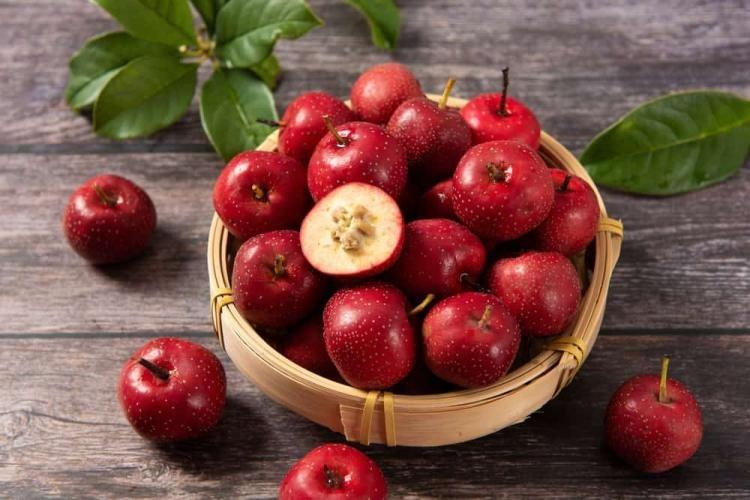
4. Fresh or Dried Berries
Can be added to:
-
Porridge
-
Smoothies
-
Herbal blends
5. Hawthorn Powder
Add to:
-
Teas
-
Honey mixtures
-
Smoothies
Safety and Precautions
While hawthorn is generally safe, it is a potent herb.
Use with caution if you:
-
Take heart medications (especially beta-blockers or digoxin)
-
Have chronic heart disease
-
Are pregnant or breastfeeding
Always consult a healthcare provider before starting hawthorn, especially if you have heart issues.
Conclusion: A Natural Heart Protector Worth Knowing
Hawthorn (genus Crataegus) is one of the most respected herbs in traditional and modern herbal medicine. With its powerful blend of antioxidants, flavonoids, and heart-supporting compounds, it acts as a gentle but effective ally for:
-
Cholesterol balance
-
Blood pressure regulation
-
Circulation improvement
-
Heart strength
-
Emotional calm
-
Long-term cardiovascular wellness
Whether used as a daily tea, extract, or supplement, hawthorn offers a natural way to support your heart - physically, emotionally, and energetically.